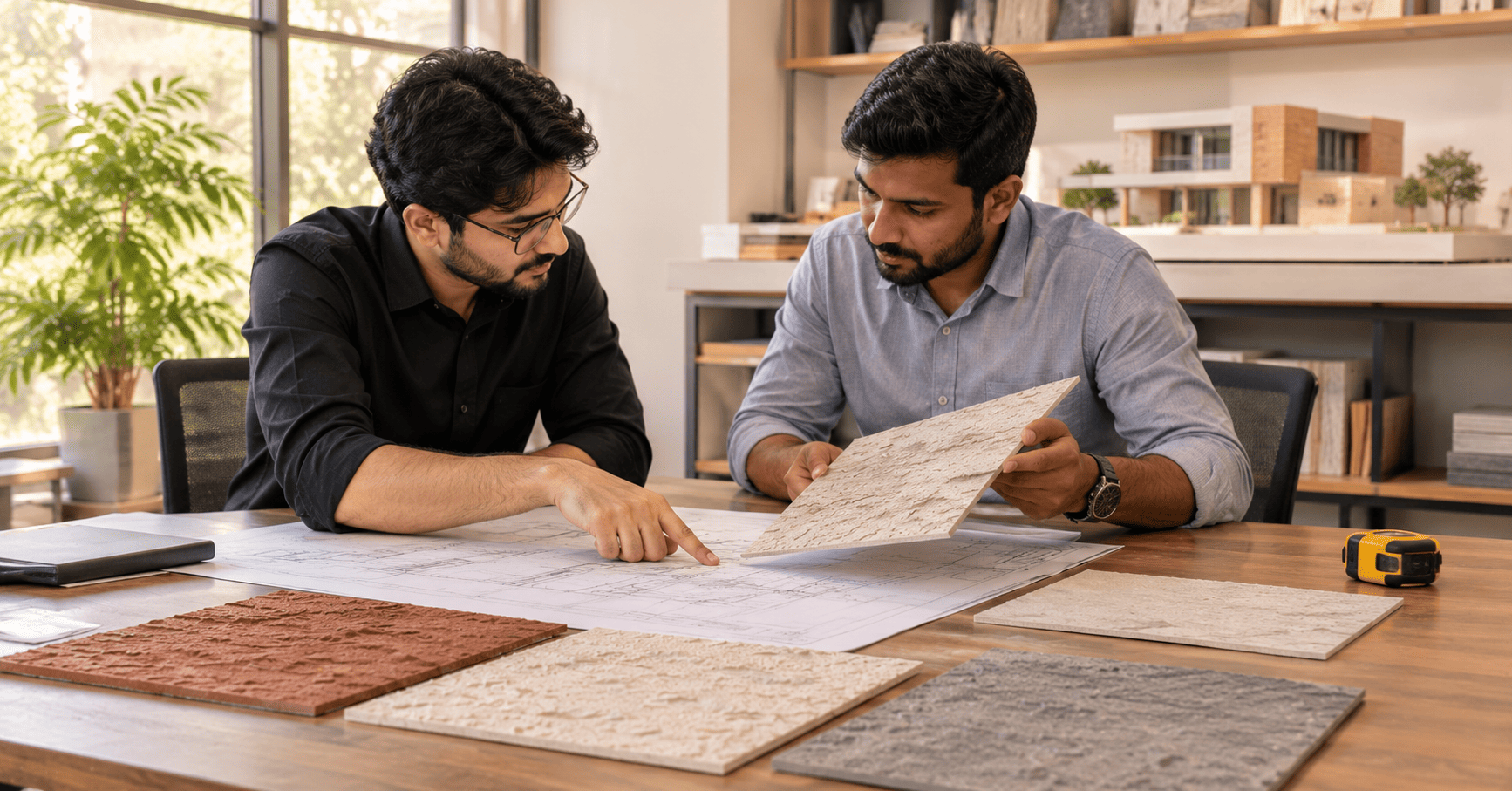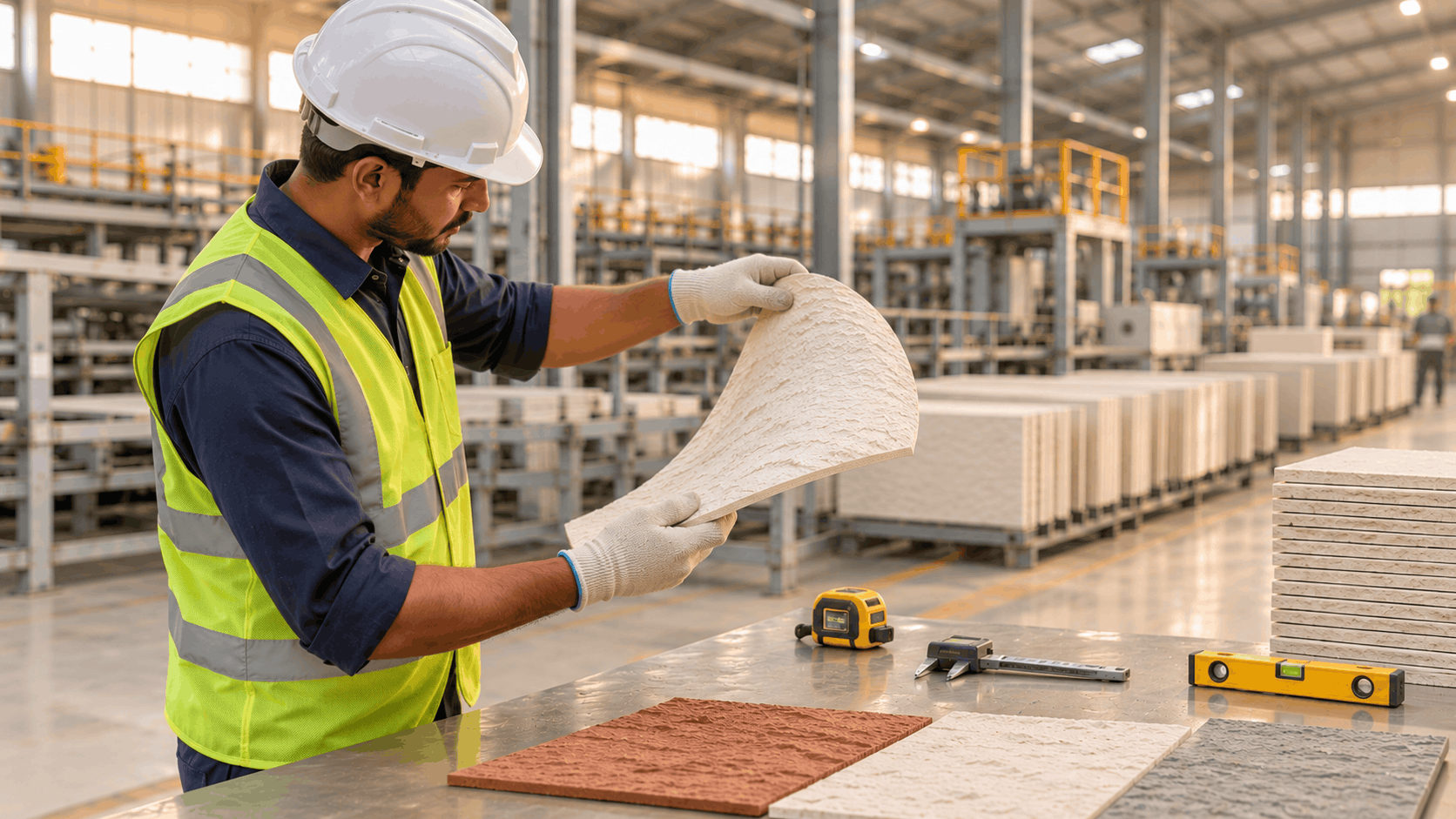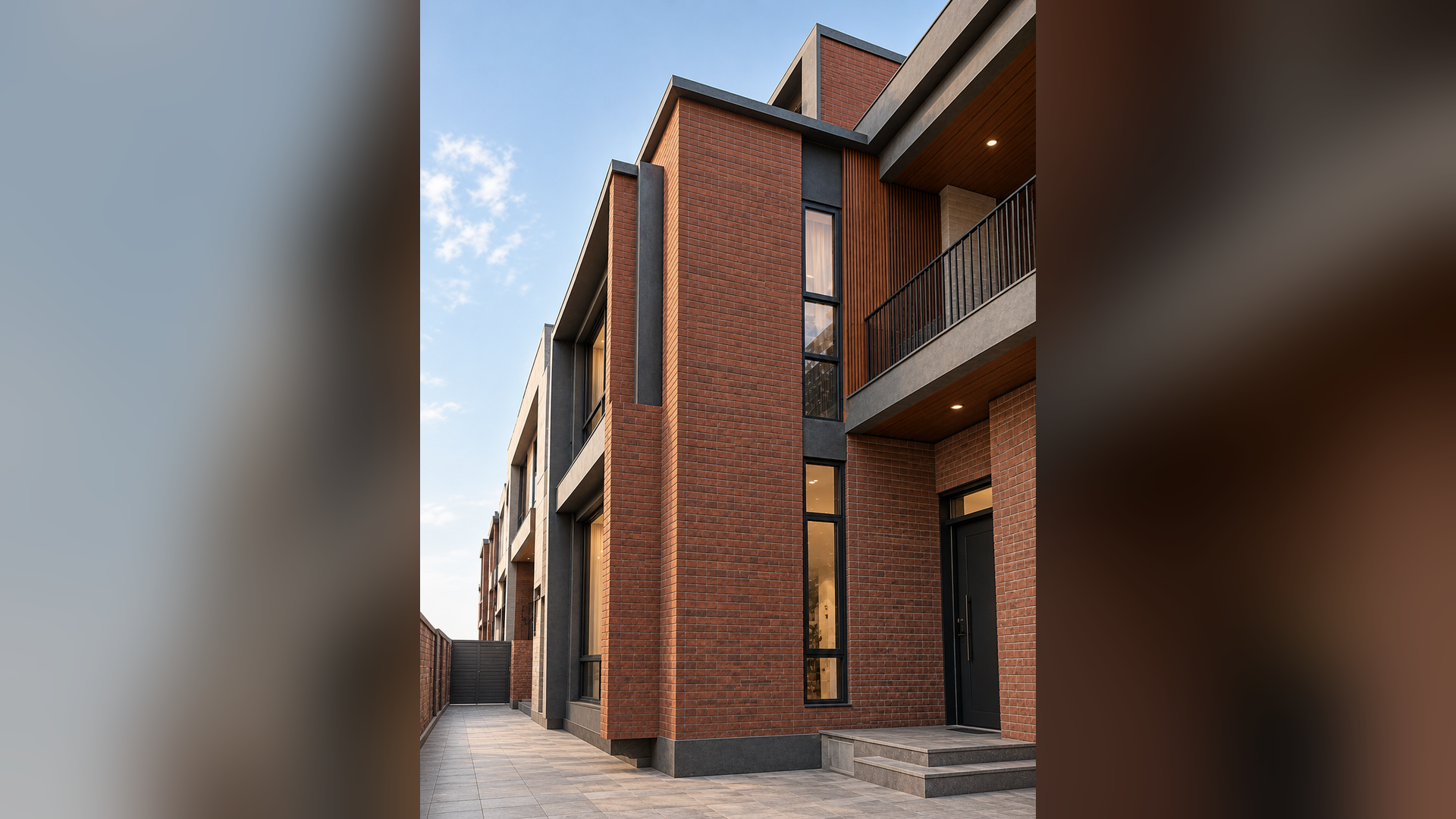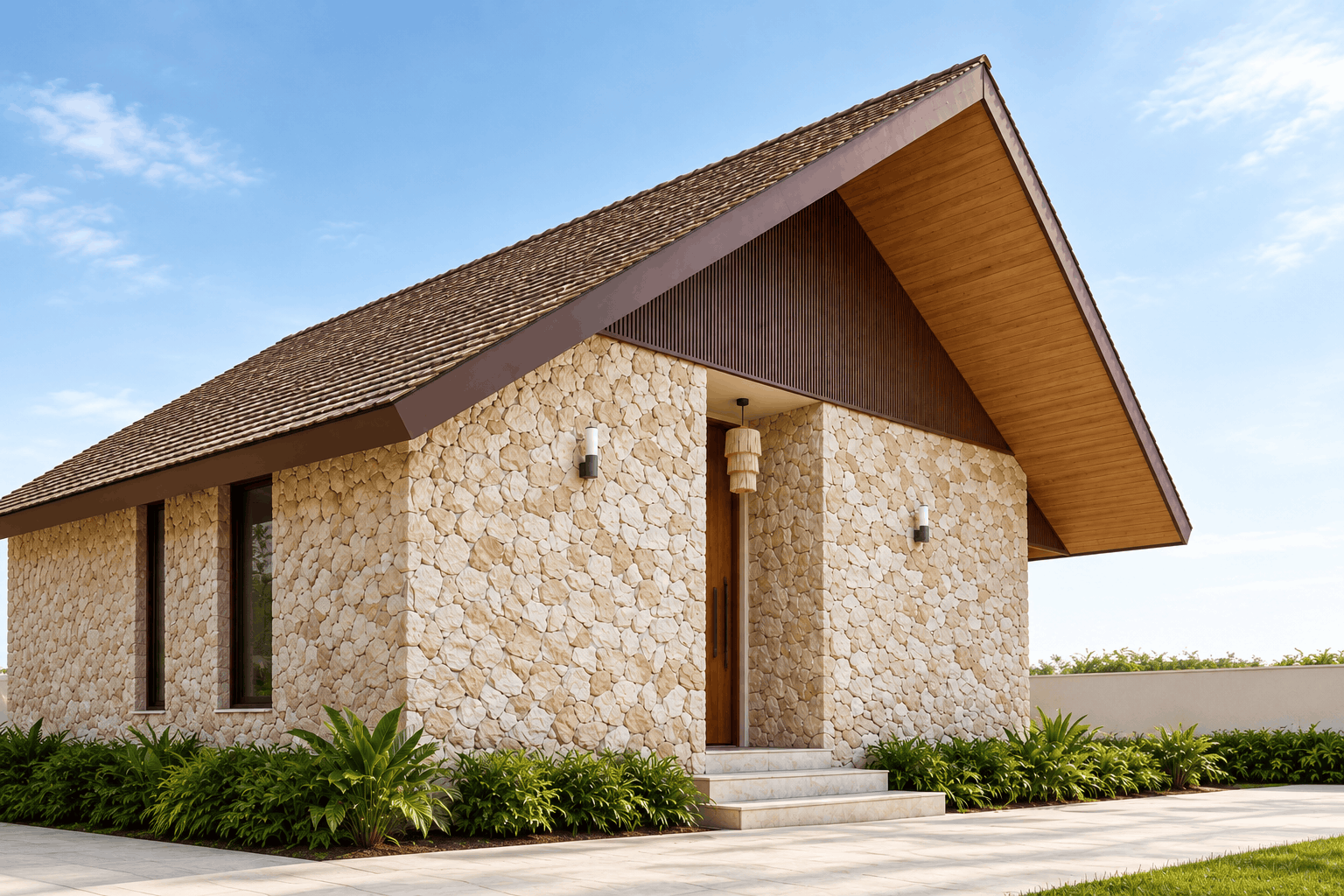
Indian facade design is moving ahead fast. Buildings are getting taller. Project timelines are shorter than before. Hotter summers and heavy rain during monsoons are making teams look at building facade design in new ways. Clients still want the building to stand out. Because of this, facade trends in 2027 will not just focus on looks. They will also focus on how well the facade works, how fast it can be built, and what the design can let you do. For architects and developers, architectural design choices made about the facade shape the whole project in the end.
Innovative Facade Trends You Need to Know Now in India
Yes, there are some new ideas in facade design that look set to grow in India by 2027. The trend is clear. Exterior facade design is going beyond just making a contemporary look.
You will see more focus on using lighter materials, saving energy, and planning for the weather. Many people will also use sustainable design principles. These trends in facade design may not apply to every project, but they show where architects, builders, and their teams are likely to go next.
1. Lightweight Cladding Solutions Reducing Structural Load
One of the most important trends that you will see in 2027 is the use of lightweight cladding. In Indian building design, there is now a clear push towards reducing structural load, especially when it comes to high-rise buildings and large commercial space projects. This choice can really change the way engineers and planners think about how to do their work.
Instead of using just heavy natural stone, you can see more teams going for engineered options. These choices can give the same exterior look, but with handling that is much easier. This helps take the pressure off anchors and systems that have to hold things up, and it can also help speed up installation time, which is very useful on busy sites.
For architects, this change means they have to think about their materials right from the start of a project. Lightweight cladding gives them the chance to get cleaner details, finish facades more quickly, and try more options with their design. It can be good if you want a good looking building but also need to think about how fast you build, how people move, and how work happens on site.
2. Flexible Cladding for Curves and Sculpted Forms
As modern facades change from being flat, Flexible Cladding is starting to stand out. You now see more curves, columns that wrap around, and shaped designs in hospitality, retail, and high-end homes. People want these modern facades because the exterior look adds value to the brand and design.
Solutions like Flexura become a natural part of this change. The flexible materials give you more design options and let decorative surfaces move along shapes that rigid materials cannot follow easily. For architects, this means you get more freedom in your work and do not always need to stick to straight lines.
In 2027, the materials expected to be popular are those that mix a flexible look with easy use on site. Flexible Cladding is likely to be picked when the look and feel matter, but it is also easy to handle. It helps bring Architectural Cladding that looks smooth, fresh, and matches custom facades in India.
3. Earthy, Natural Textures: Brick, Terracotta and Stone-Look Finishes
Facade colour choices for 2027 are set to be simple and down-to-earth. People will choose earthy neutral tones, deep stone textures, and finishes that feel part of their place. This style works well for both tall buildings and private homes.
Brick Cladding, Stone Cladding, Cultured Stone Cladding, and matte concrete finishes are all part of this trend. Designers want their buildings to have some warmth and a bit of character. At the same time, they want designs to be easier to keep the same and to look after. For this reason, engineered surfaces are becoming more popular than heavy materials from the past.
Likely directions include:
- brick-inspired surfaces with more subtle and gentle colour changes
- deep stone textures that are used on the base, as a feature wall, or at entrances
- matte concrete finishes for a clean contemporary look
- grain patterns and soft weathered effects instead of shiny surfaces
4. Climate-Responsive Facades: Ventilated Systems for Heat and Monsoon
In India, people can no longer ignore climate-responsive facade systems. The strong summer heat, the humid air near the sea, and the heavy monsoons make it clear that facades must do more than look good from the street. Now, they must also manage the weather.
Ventilated facade systems are likely to get more common. These can help deal with heat gain and let a building use more natural ventilation. This fits well in any new building design. When architects pay more attention to the space in walls, the way parts are joined, and how water drains out, they can make building exteriors that work better for India’s weather.
This movement is also about saving energy, keeping indoor comfort, and making the air quality good inside homes and offices. By the year 2027, a sustainable facade will be one that is made for India’s climate. For developers, good facade planning should start with looking at sunlight, direction, and details. It should not just be about picking colours and textures.
5. Solar-Integrated Facades Bringing Energy Generation to Exteriors
Solar-integrated facades are one of the new trends in commercial building facade design that many people now watch with interest. As renewable energy becomes part of how we build these days, the outer parts of buildings are being seen as places that can do more than just cover the inside. They do something useful now.
For some projects, this can change the way we use different areas of a facade, especially where the sun shines bright. The idea is easy to see: when you use a solar facade design, you link the outside layer of a building with goals for energy efficiency and your building management systems.
This change will not work everywhere or for every budget, but it is a trend to watch. In new, future-ready commercial buildings, choices about the facade will often be talked about with things like operational costs, how to work with building services, and plans for long-term value. This means facade design is not just about how something looks. Instead, it is part of a bigger way of thinking about building strategy.
6. Low-Carbon and Sustainable Material Choices
Sustainability is now moving away from just being talk used in marketing. It is now a key part of choosing materials for the job. In both commercial development and homes, teams are being asked to look closely at things like carbon footprint, where things come from, how they are handled and the impact they have on the environment over time.
This does not mean one material will work for every need. Low-carbon materials, better ways to make things, and tough, long-lasting products will all be important in choosing what to use. A building’s facade should now be judged not just on how natural it looks, but also on how it is made, brought to the site and put up. These all play a big part in its environmental impact.
From a maker’s point of view, staying careful and following good steps is important. Goods made in India offer real help when you need a simple supply chain or want to better manage timing on a project. Sustainable design principles are guiding all of us to make better choices. This means picking the right materials, keeping documents clear, and making sure we have the facts before choosing what goes on the outside of a building.
7. Faster, Cleaner Installation Methods and Easy Handling
Fast project delivery is now changing how people choose Exterior Cladding across India. Teams working on houses, office buildings, or villas want systems that are easy to move, cut, fix and manage. Clean work during installation is also key, especially when a site is crowded and there is not much space.
This is why many teams are now interested in lighter Wall Cladding and Interior Cladding, not just Facade Cladding. These can be easier to use, which may boost operational efficiency during the build. It can also help with less trouble during the maintenance cycle, especially when it is hard to reach some parts.
What do teams want?
- shorter installation time on site
- simpler handling for labour and logistics
- cleaner fixing ways and better coordination
- a wider design library, and getting materials faster
For both work and home buildings, how fast you can get work done is almost as big a reason for materials choice as the way things look.
8. Mixed-Material Facades: Combining Cladding, Glass, Metal and Greenery
Mixed-material facades are likely to stay popular because they make big buildings feel more alive and less dull. In Indian cities, you can already see commercial buildings use this style. They mix cladding with glass, metal, and even some greenery for a fresh look.
The design is not just about how it looks. Blending more than one material lets architects change the scale of a building, highlight entry points, or mark different areas on the building face. This gives them a controlled way to use texture and colour, so they do not put too much on the facade.
Of all the exterior facade design trends, this one stands out for its flexibility. You can have concrete cladding next to glass. Brick cladding can make a metal-heavy facade feel warmer. Stone-look finishes can ground the base of the building. When done right, mixed-material facades bring balance between the look of the building, its purpose, and how it fits into the city. This matters for everyone working on facade design in modern commercial buildings.
9. Retrofit and Refurbishment of Existing Buildings
Not every job in 2027 will be about building something new. There will be more work to update old buildings. Many owners want to improve the face of a building, how it works, and how well it meets rules. This is important in cities where many office buildings are old and people want new things.
In India, facade design is changing not just in new buildings. It is also changing as people fix up older places. Blueprints for a new exterior facade design can make the outside look fresh without needing a full rebuild. This can also help with sustainability regulations and what is asked for now in the market.
Here are some aims when updating an old building:
- Make the property value higher by giving it a better, up-to-date face of a building.
- Take off old surfaces and put on lighter walls or cladding systems.
- Change the outside parts hit by weather to materials that are simpler to care for.
If a building is in a good spot but looks old, developers may find that fixing it up or refurbishment is a good way forward. This can give the building a new feel without starting from zero.
10. Facade Performance and Long-Term Durability
There is now a clear change in the way teams look at facade design. When we talk about facade design trends in 2027, it is not just about how things look. More people want facade systems that work well every day and can deal with tough weather.
This new way of thinking changes the things people talk about when picking materials. The outside of a building is always facing sealing, cleaning, dirt, getting hit, and water, so people now care more about long-lasting materials. If a material looks good on day one but makes the maintenance cycle hard, people will pay more attention and ask more questions.
For building owners and those who take care of buildings, this also means thinking about their operational costs over time. Now, most want a facade that does more than just look nice and build a visual identity. They want something that can really last and work in real Indian conditions, as that is what matters most. Exterior means constant sealing and everyday work, and that needs to be a focus too.
Materials and Textures Shaping Facade Trends India
Materials and textures are shaping how facades look in India in a clear way. Many architects are moving to surfaces that feel real, calm, and smooth instead of those that are shiny or have too many decorations.
In exterior design, there are some new facade trends to look for in 2027. These include deep stone textures, matte surfaces, weathered finishes, and softer grain looks. These choices can make buildings feel more natural and up-to-date. The next parts talk about where these new material trends might go.
11. Popular Cladding Materials: Concrete, Cultured Stone, Brick and Flexura
Which materials are predicted to be popular for facades in 2027? The strongest candidates are those that balance design freedom, handling and a reliable exterior finish. For Indian projects, concrete, cultured stone, brick and flexible solutions all fit that direction.
Articlad’s category mix reflects where demand is moving: Concrete Cladding for sharp, contemporary looks; Cultured Stone Cladding for natural depth; Brick Cladding for timeless warmth; and Flexura for curved or sculpted forms. These materials support both Exterior Cladding and selected Interior Cladding applications.
| Material | Likely design role |
|---|---|
| Concrete Cladding | Clean lines, matte concrete appearance, contemporary elevations |
| Cultured Stone Cladding | Natural character, texture-rich feature zones, grounded base surfaces |
| Brick Cladding | Warm, familiar exterior language with a strong architectural identity |
| Flexura Flexible Cladding | Curves, columns, sculpted forms and custom design options |
12. Emerging Texture Directions: Matte, Weathered and Tactile Finishes
If you want to know which new facade textures architects should focus on in 2027, it looks like the trend is more about having control rather than finding something new. Matte textures and tactile finishes will still be the top choice because they feel calm and do not show glare as much in bright sunlight.
Another trend is about using texture that gives some depth but does not stand out too much. For example, looks that copy weathered stone, softer grain patterns, and linear textures that help a building look taller will be popular. Matte wood textures will also be a good pick when you need some warmth for the design but do not want the work that comes with using real timber.
Texture directions to look for are:
- matte surfaces with less shine
- weathered finishes that feel like stone
- fine grain patterns, not heavy embossing
- vertical linear textures for a smooth, tall look
How Architecture Trends 2027 Impact Design Choices
Facade trends in 2027 are shaping more than just the look on the outside. They also impact size, small details, material changes and how teams make choices early in the project. In a lot of buildings, thinking about the facade is becoming a new standard for wider architectural design.
This links with building systems and planning. As buildings get smarter controls, occupancy sensors and better services, building facade design must fit with the full plan for the project. The next parts show how growing high-rise buildings and home style are pushing those design options.
13. Vertical Designs and High-Rise Growth Influencing Facade Cladding
Vertical designs are now having a big impact on how facade cladding looks. As there are more high-rise commercial buildings in Indian cities, buildings need to catch the eye from far away and also look good up close at street level. This leads architects to use cleaner shapes and stronger vertical lines.
Using linear textures, joint patterns that are controlled, and lighter materials, all help support this new style. These choices make commercial buildings seem taller, sharper, and more organised. Still, the facade needs to deal with wind, rain, and ways for people to get in and out as the buildings get higher.
So, what is the effect of vertical designs on trends in 2027? They push builders to use a more simple and modern, or contemporary look. All materials and details now need to make commercial buildings look taller and also work well in real life. That is why choices for cladding on towers are getting more technical, not just for looks.
14. Home Exterior Styles Expected to Dominate in 2027
For homes, the styles that most people will go for are the ones that are warm, simple, and feel like they last. People are moving away from overdone facades. Instead, they like designs that keep it balanced, use fewer materials, offer better texture, and show a bit more care in choosing colours.
When it comes to exterior facade design, it’s still all about earthy shades. We will keep seeing sand, taupe, rust, and charcoal in use. Espresso browns and other darker tones will show up as accents near the doors, at the lower parts of homes, or in feature frames. These mixes look good, especially if you live where there is much dust or weather hitting the house.
Styles that will keep being popular include:
- modern facades that bring in brick or stone-look feature spots
- calm, neutral base colours with darker tones as accents
- homes that get their character from texture rather than extra layers of decor
Manufacturer’s Perspective: Meeting New Facade Demands
For manufacturers, the new things happening with facades in India by 2027 are about more than just how buildings look. It is also important to make sure these new designs can be made, matched, and given to every project again and again without any problems.
This means putting more attention on digital innovation, better ways to control how everything is done, making sure things are the same each time, and giving people what they need for their own designs. For Articlad, a company that works with architects, builders, and designers, the goal is clear. They need to help with big ideas for design, but also keep production steady and plan projects in a smart way. The next two sections will show what this means every day.
15. Process Control, Testing and Consistency in Cladding Production
As trends in Exterior Cladding move toward better results, makers have to build stronger systems inside their work. Good process control and testing are important. That is because architects ask for more than just colour or texture. They want results that can be repeated across all parts of a building, through different phases and even with later orders.
When projects use the same finish across big areas, being consistent is key. The market may talk about durable laminate sheets and wide design choices. Still, the real question is if the makers can keep the same look every time, without any changes you do not want. This is what really builds trust with the maker.
Because of this, some people say international reach matter less than steady and proper results, especially if help for the project is weak. In India, the top cladding trends for business and home buildings are telling makers to worry about more than just what they supply. They have to show clear facts, help with planning, and keep the finish the same, every time they make a batch.
16. Customisation for Project-Specific Needs and Performance
No two facade projects are ever the same. The way a building faces the sun, its size, how it is put together, and the ideas behind the look can all be different. That is why custom changes have now become a normal part of what people do during manufacturing, not just something special. This is important for architects and for interior designers, especially when they want to use the same materials both inside and outside.
Having a good design library is helpful. Still, it is not enough by itself. Each job will have its own needs. You might need custom sizes, matches in texture, to sort out details with what is holding things up, or to pick between products like Kratos Beton, Canvas Concrete or Translucent Concrete to get the look you want.
Custom help you can use often includes:
- advice on picking the right texture and finish
- help to match what you pick to your job’s real needs
- working together to make mock-ups, samples and to sort out details
Preparing for Facade Trends 2027: Practical Guidance for Architects and Developers
Facade trends in 2027 shape overall architectural design by making people decide things earlier. Architects and developers now have to think about performance, details, and how things will be built right when they choose design options, not after plans are finished.
Because of this, you need clear, helpful advice. If your project is focused on faster installation time, lighter systems, or a special texture, it helps to work together early. This can stop rework and save time later. The next two parts will talk about the best steps to take during specification and when you check drawings.
17. Involving Manufacturers Early in Design and Specification
Getting manufacturers involved early can help turn a good idea into a facade you can actually build. When they join the conversation at the design and specification phase, manufacturers are able to check design options against what the project needs. This happens before things are set in stone and hard to change.
This matters a lot when your project is choosing between different facade systems, finishes, and ways to fix things in place. A manufacturer can help pick samples, talk about joint methods, handle any worries, and figure out if the chosen look works well in all parts of the building. This is real help – not just sending a product.
For architects and developers, the main benefit is better coordination. If you solve specification questions sooner, it’s much simpler to match the goal of the material with what really happens on the site. In 2027, talking early like this will likely be usual on well-run facade projects.
18. Reviewing Drawings Against Performance and Installation Needs
A facade drawing review should not look at just how things appear. Before you start buying anything, the team must check if the drawings meet performance goals, fit the way to install things on site, and give good maintenance access. If you check these things early, you can stop a lot of problems before they start.
In India, you now see more lightweight cladding, simple details and building styles that work well with the climate. So, when you review a design, you must look closely at how joints are made, how things are fixed together, how much things can move, how water is kept out and if the system matches sustainability regulations or the project’s targets.
Check these things early:
- joint layout and how things move
- how to fix things and what’s needed for site work
- how you can reach, swap, or fix things and keep operational efficiency
If you decide on these points early, the facade will work better on site as you wanted.
Conclusion
As we move towards 2027, the world of facade trends in India is changing fast and opening new doors for the people who design, build, and plan buildings. Many now look for ways that help the environment, work well, and bring in new ideas for design. These changes show that there is a bigger need to adjust to our world, while still making things look nice. Some trends are about using lighter and flexible cladding, while others deal with ideas that work with the climate. Each of these will help shape a future where what looks good can also work well. Taking on these changes will not just make buildings better, but it also leads to cities that are good for people and the Earth. If you want to get ahead in the changing market, you can reach out to Articlad for samples, step-by-step help, and support for your building jobs that fit your needs.
Frequently Asked Questions
19. Which sustainable facade cladding trends are spreading in India for 2027?
Sustainable design principles in India are now making facade design focus more on low-carbon materials. People are choosing facade systems that respond to the climate. They are also picking light cladding options. These help make handling easier and take away extra load from the building. Teams want to lower the carbon footprint, so they look at where the materials come from and how long they last. This is true for both new building work and upgrade projects that use facade systems.
20. How do facade trends in 2027 influence architectural design and material choice?
These trends change architectural design by making people think about facade design early in the building design stage. When you pick materials now, you need to think about weight, how the building will deal with the weather, texture, how easy it is to build, and operational costs. So, exterior facade design is not just about how it looks. It is also about the technical side and how much it will cost to run the building.
21. What are the leading exterior cladding trends for commercial and residential buildings in India?
Leading exterior cladding trends now include things like lightweight cladding, Brick Cladding, Stone Cladding, using different materials together, thinking about ventilated facades, and picking textures with a natural and matte look. In both commercial buildings and homes, modern facades are choosing design options that try to balance speed, style, and the need to last for a long time.
Explore facade trends 2027 in India, from lightweight cladding to solar facades, retrofit, textures and practical design guidance.