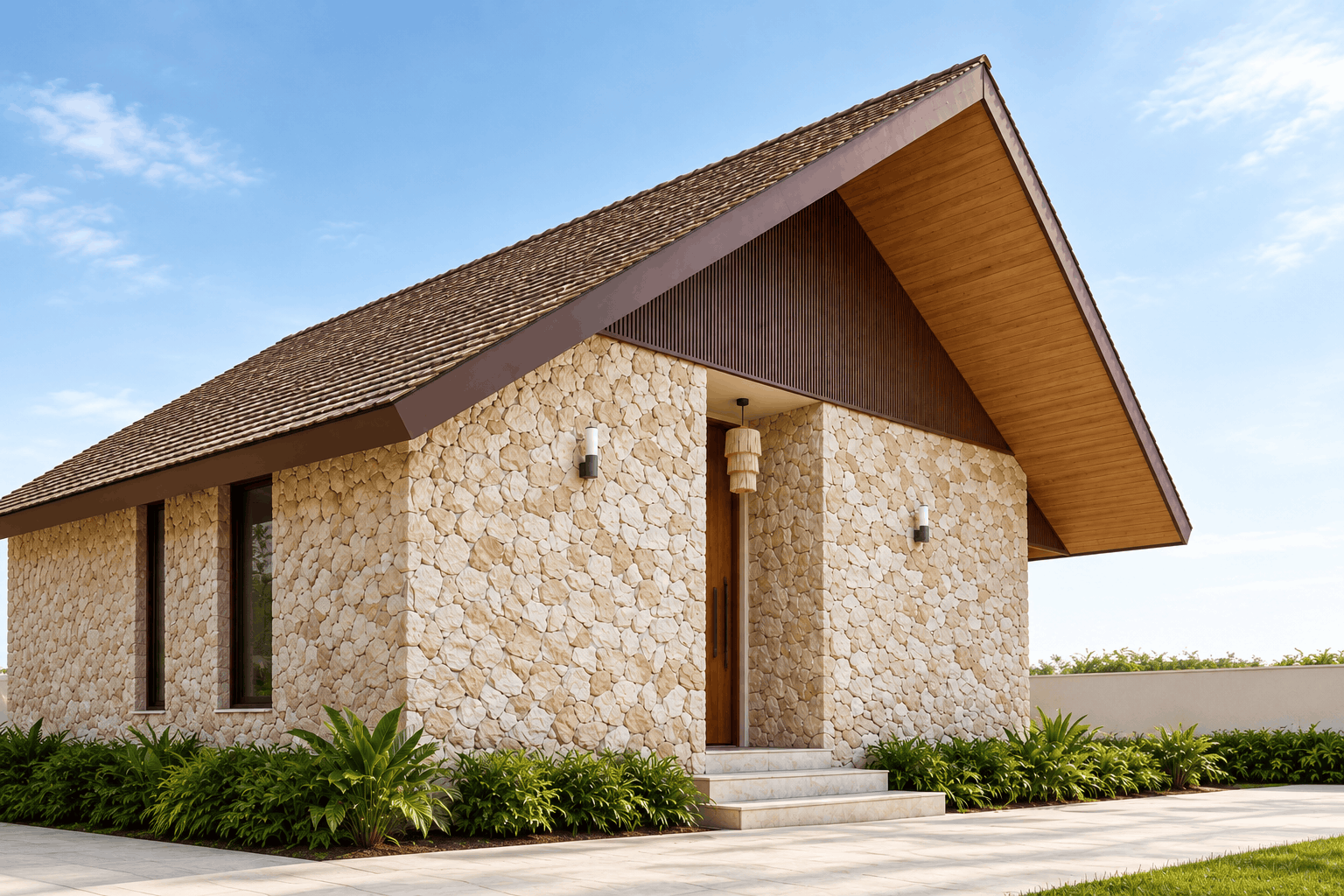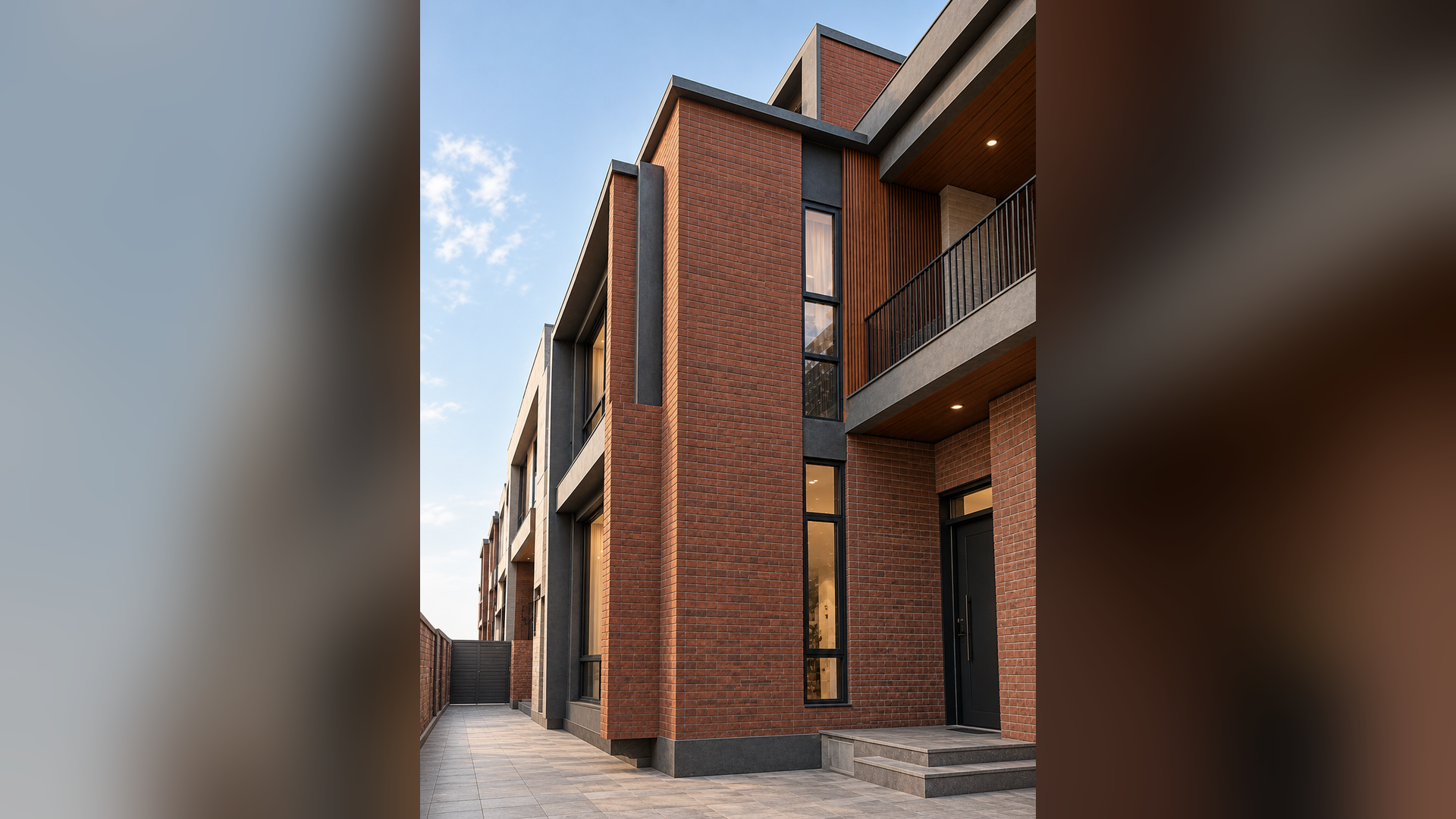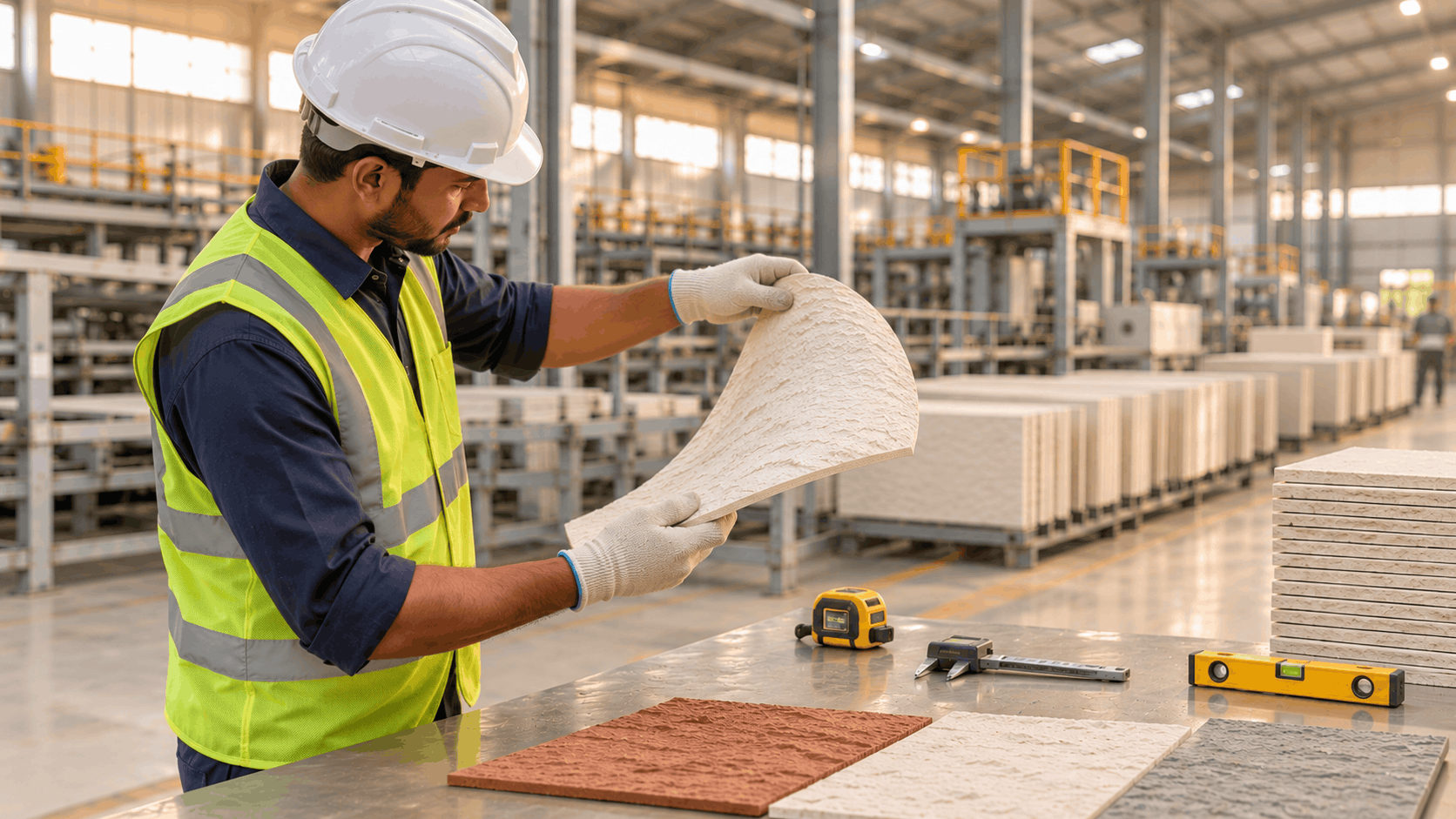
A sample may look good when you see it on a table. But it does not always show how the next batch will act on a wall. That is the reason cladding quality testing is so important at the factory. At Articlad, we see quality as something you check again and again, not just once. If you choose Concrete Cladding, Brick Cladding, Stone Cladding, Cultured Stone Cladding, Flexible Cladding or Flexura, good facade engineering begins with steady performance testing for the whole cladding system.
Why Cladding Quality Testing Matters Before Dispatch
Cladding does more than just make a building look nice. It must deal with summer heat, rain in the monsoon, humid air from the coast, how people handle it at the site, and how it can move after it’s fixed to the external wall. This is why proper cladding testing is needed for all external cladding systems. We have to be sure they can take on real weather and use, not just look good in a book or brochure.
For architects, builders, developers, contractors, and homeowners, checking early is good for lowering project risks. It also helps with code compliance, planning for fire safety, and getting the job done the right way each time. When we check everything for quality before sending it to the site, we can know it’s fit for what an external wall goes through.
Beyond the Sample – Ensuring Every Batch is Reliable
One approved sample helps, but it is not enough. In the factory, the main question is this: will the next batch look, size, and act like the sample? Batch consistency is key for cladding quality control. A buyer should get material that matches the approved reference. It should not be different.
On the factory floor, before the material goes out, the team does simple and repeatable checks. They look at the size, how it looks, the finish, colour differences, the edge, and how it reacts to water. Depending on what the product and project need, performance testing may also check structural integrity, movement, and installation stress.
Clear acceptance criteria are important. The quality should not be left up to luck or guesswork. Sometimes, the test results could be checked again by an expert laboratory, if the project needs it or approval rules ask for it.
Factors Affecting Cladding Durability in Indian Conditions
Indian conditions can be tough. Wall cladding will face hot summers, lots of rain, dust, and high humidity in coastal areas. In some parts, the external wall will also deal with earthquakes and building movement over time. So, you cannot judge cladding durability by how the surface looks.
Water is one of the biggest concerns. Both water penetration and water absorption can change how the wall system looks and acts over time. If moisture gets in or stays where it should not, you might see stains, colour changes, or problems with installation. These issues can often be avoided with proper factory testing.
You also need to look at the bigger picture. Fire performance, movement tolerance, and whether the wall cladding matches the needs of the project are all important. Each product and project will have its own numbers, but the main idea is always the same: reliable exterior cladding must be checked against real conditions, including seismic activity, before you use it.
Raw Material Quality Assurance in Cladding Manufacturing
Quality starts before we even mix anything. In cladding manufacturing, the raw materials are what set the ground for how the finish will look, how long the colour will last, how easy it is to use, and how strong the structure be. If the materials that come in are too different from each other, then the finished cladding can change as well.
At Articlad, our quality assurance begins with the materials that we get for Concrete Cladding, Brick Cladding, Cultured Stone Cladding, and Flexura. That early control is one of the core services that makes sure our output is dependable and has good structural integrity. After that, it helps to see what we check before those materials get used in production.
Routine Checks on Cement, Aggregates, Fillers and Pigments
Incoming materials for wall cladding need to be steady if you want the finished product to be steady. We look at the basic inputs before we start making anything. This does not mean we give big promises about every single delivery. It just means we check that the materials meet our own acceptance criteria and can be used in the mix and finish we want.
We keep this practical. Cement quality makes a difference to bonding and how strong the structure is. Aggregates and fillers change the body, feel and steadiness. Pigments help keep each batch the same shade. Other inputs may change how easy the mix is to use and how it looks. Doing these checks is part of code compliance and helps cut out problems that could show up later.
Typical checks at arrival include:
- visual review of material condition and uniformity
- checking that what is supplied matches the planned mix
- consistency checks for colour-related materials, such as pigments
- review of materials that may change finish, how it works, and how it holds up
If you plan to buy wall cladding, ask how the raw materials are checked before production.
Maintaining Consistency for Reliable Cladding Quality
Material approval is not done only once. Good quality needs to be checked for every batch in the cladding system. If what goes in changes, what goes out can change too. You may see shifts in colour, texture, size, or how things work. This is why having the same results every day is important in the cladding system. It is not just something to say in marketing.
For an efficient cladding system, being consistent makes it easier for the team putting it up and for how it looks. Architects will often ask for the same look in every job. Contractors have to work with parts that fit well and behave in a known way. Homeowners want their finished walls to look like everything fits together. To get all this, you need steady control and care in the making and checking.
This is also where performance goals and how strong the system is matter. If one cladding system is made with care and the same parts, you can keep quality up for every kind – Concrete Cladding, Stone Cladding, Flexible Cladding, Interior Cladding, and Exterior Cladding.
Factory Testing During the Production Process
Quality should not be checked only at the end. Proper cladding testing needs to be done during production. This is why factory testing becomes part of the day-to-day work, not just something you do at the end.
In practical terms, we look at the steps that affect shape, finish and how things work. This includes batching, mixing, moulding, curing and handling. These testing services help with better facade performance analysis later on as the product is controlled at the points where changes often begin.
Batching Accuracy, Mixing and Moulding Control
Batching accuracy is important because small changes at the start can turn into big problems later. In the construction industry, this could mean the colour not matching up, the texture looking odd, or units not fitting right when they are put in place. That is why we always check the proportions and keep to the right process when making things.
Mixing affects how even things turn out. If the materials are not mixed well, the surface can look different from one part of the batch to another. Moulding needs to be watched also, because it shapes the form, the edges, and the way the surface looks. For products such as Kratos Beton, Canvas Concrete, and Translucent Concrete, keeping the process steady is key so the design comes out as planned.
The main aim is not just to make one perfect test specimen. The goal is to produce cladding that can be made again and again and meet what is needed on the job. When we control this well, it helps us later when we check the size, the finish, and how the cladding works.
Curing, Handling, and In-Process Quality Checks
Once the cladding is made, curing is very important. The product needs the right conditions at the factory to develop as it should. Before it is moved, packed, or sent out, curing must be done well. If curing is rushed or not consistent, the finish may not look good. It can also change how strong the product is or affect its shape.
Handling the product matters too. Many problems begin with small knocks on the corners or edges, especially on items that have a certain profile or texture. This is why we check more than just the mix and the cure. We also check how units are moved, stacked, and made ready for the final look-over.
For buyers, these points link to how well the installation will be done. It helps to have a checklist. Ask if the maker controls curing, inspects corners and edges, and checks how things look before they send them out. Doing these steps can help the efficiency of your building facades. This means less sorting at the site, less rubbish, and fewer delays you don’t need.
Quality Assurance of Finished Cladding Products
Before any cladding leaves our factory, we check what the buyer will get and fit. At this stage, you can see factory control. We look at size, finish, colour, edge quality, and how it all looks.
A comprehensive wall system needs more than just one good feature. We need fire resistance, water penetration testing, and it must be easy for people to install. All these are part of how well the wall system will work. Our checks focus on what can change matching, fitting, and how the wall system will last when it is used on site.
Dimension and Tolerance Checks for Precise Installation
Dimensions matter because cladding is installed in sequence. If units vary too much, joints can drift, lines can look uneven, and fitting can slow down on site. That is why dimension and tolerance checks are part of finished-product quality assurance. They support precise installation and help reduce site adjustments.
These checks are not only about measuring length and width. Thickness, profile stability and corner condition also affect how the cladding sits on the wall. The aim is simple: verify that finished pieces stay within our acceptance criteria for the product being supplied.
Here is a practical view of what buyers should ask about:
| Check area | Why it matters on site |
|---|---|
| Length and width | Helps maintain alignment and layout across the elevation |
| Thickness | Supports predictable fitting and interface planning |
| Edge and corner condition | Reduces visible defects and breakage during installation |
| Profile consistency | Helps matching across repeated units and courses |
| Recorded test results | Shows that tolerances are being checked, not assumed |
Visual Inspection – Surface Finish, Texture, Colour and Edges
Visual checks are key in factories. They matter because people notice the look first. How the surface feels, the colour, and the shape of the edges all build the look for the facade system. If these parts don’t match, it can make the whole setup seem uneven, even if the cladding is strong.
At Articlad, we use visual review to keep quality steady. It is not to chase perfect looks. We check for clear changes, damage, edges that do not match, and things that could mess up how the cladding fits in. This is important for Architectural Cladding, whether you use it as Interior Cladding or for tough outside walls.
Textured cladding is not like glass panels. People expect it to show real, natural features. The main thing is to make sure these changes fit the planned style. Good visual checks help find the right mix between the look you want and making sure the batches of cladding stay alike.
Water Absorption Behaviour and Its Impact on Performance
Water absorption is about more than just how something looks. In a building envelope, the way moisture moves can affect stains, the stability of finishes and how cladding changes over time. This is why water absorption is an important concern, especially during Indian monsoons or in humid coastal areas.
Our performance testing checks water behaviour in a broad way. The reason is that each product and project will have different values. What matters is to see how the finished cladding reacts when water gets in, and not to guess. This helps people choose better materials and plan the installation with more knowledge.
Why is this important for safety and reliability? Water penetration can bring problems that you may not see at first. It can mean more work and stress at the site. If a manufacturer checks how their product reacts to water before it is sent out, it can lower uncertainty in the external wall even before installation starts.
Evaluating Long-Term Cladding Performance
It is easy to see how a building looks at first. But understanding how the cladding will last over the years needs more thought. Facade testing must check how the product reacts to movement, water, and repeated use. It is not enough to see how strong it seems on the first day.
This is why our performance goals are about more than just one number. We look at stress during installation, movement, and how the material will act over time. This is the same practical approach that supports bigger checks in the building sector. We need to know how these materials are likely to perform in the long run.
Flexural Strength Test and Movement Tolerance
One strength number does not show the full picture of cladding. It is important for cladding to have flexural strength because the product should handle use and moving. But, it must also cope with movement. Cladding on a wall can change because of high or low temperatures, how it is fixed, and events in the building.
This matters more in hot summers, during transport, and when you install it. If you judge a product on only one main value, you miss how it works in the real world. This is why we see flexural behaviour as part of a bigger look at how cladding works.
For buyers who want to know about regular checks, here is the answer: ask how the maker thinks about bending, stress when putting it in, and movement tolerance, all in one go. Good test results should help real use, not just show one single structural strength.
Why Batch Consistency and Traceability Safeguard Quality
Even the best products can lead to trouble if one batch acts differently from another. The batch needs to be consistent. When the sample that gets approved, the material that is sent, and the cladding that is fitted stay close to each other, the job is easier.
Being able to trace batches helps with this. If someone asks about colour, size, finish, or how it holds up, records can show who sent which batch and how it was made. This lets problems be sorted quickly and well. If you cannot trace things, discussing quality turns into guessing.
For the manufacturer, records are a key part of making sure things meet standards. They help with checking, comparing, and sometimes doing an expert analysis. If you buy, being able to trace batches shows the maker cares about doing the right thing, not just making a sale once and moving on.
In-House and Third-Party Factory Testing Explained
Not every check uses the same method. Some testing services should be done inside the company as part of regular production checks. Other tests might be sent to an expert laboratory when the project plans, approval steps, or product needs require it.
The main thing is openness. Buyers should know what is looked at in the factory each day and what sometimes gets checked outside with help from testing services or an expert laboratory. This way, quality is looked after without making unclear promises about international standards or what the factory can do.
What Is Checked at the Factory
Factory testing is where all the regular cladding checks take place. These checks link closely to what goes on during making and sending out the parts. They help construction professionals get materials that look right, handle well, and fit as they should.
At this stage, it is all about what works. We are making sure things stay the same, and that they look and act the way they should when you are making them. These tests help with code compliance talks, but you still need a project review if there is a bigger check needed.
The usual factory testing covers:
- Raw material checks before you start to make things
- Keeping an eye on batching, mixing, and moulding as you work
- Checking size, finish, and the shape of edges on cladding that’s finished
- Looking at water absorption and doing a simple visual check, with test results written down
These actions help turn quality assurance into something that really works every day.
When External Lab Testing Supports Quality Assurance
Some projects need more than regular in-house checks. This is when third-party testing can help with quality assurance. For example, a consultant, architect or developer may want outside confirmation for project review, facade engineering or wider approval needs.
External checks are good when the project must be tested for things like water, wind, movement or fire problems. We keep this general because the scope depends on the product, the way it is put in and what the project needs.
The main thing is to be clear. A good, responsible manufacturer should tell you which tests are done in-house, and when outside help like laboratory no support could be right. This is a better way than making vague statements, not giving details about tests or claiming international standards without proof.
What Cladding Quality Means for Buyers and Projects
For buyers, good cladding quality control means there will be fewer surprises. This helps lower project risks because the material you get is more steady in colour, finish, size, and the way you use it. It also cuts down on construction delays, sorting at the site, and the need to replace things that are not right. Teams can work with more confidence, as it is easier to make sure what they get matches the approved samples for all Facade Cladding and Wall Cladding jobs.
There is another good thing for the buyers. When a maker knows a lot about its production and performance testing process, they can give better advice on picking the right product and planning the way to put it in. This is important when you choose Made in India Concrete Cladding, Brick Cladding, Stone Cladding, Cultured Stone Cladding, Flexible Cladding, Flexura, or any other Architectural Cladding options from Articlad.
Benefits of Trusted Factory Testing for Project Success
Trusted factory testing helps your project work out well. It keeps unwanted changes away before materials come to the site. Good sizes help parts fit better. Good colour control helps things match. Better edge quality makes installation easier. All these small wins save the contractor time and boost the client’s trust.
There is also a safety side. Proper cladding testing makes the facade system more reliable by looking at how things act before they get sent out. Factory checks do not take the place of site design reviews, but they help lower problems like moisture troubles, damage, and inconsistency.
For architects and developers, test results are more than paperwork. They help people make better choices. When the maker explains tests and reasons, buyers can decide if a product suits the facade system and fits their needs.
Site Experience – Reduced Surprises and Reliable Support
Good factory control stands out at the site. You will see it when the installation is smoother, there are fewer rejected parts and the look of the building stays steady. In the construction industry, this helps with keeping timelines tight and makes labour work better.
Still, site teams have to check many things. They need to check how the parts look when delivered, how the finish looks, the colour range, the sizes, the edges, the corners and if there is any damage from transport or when handling. Teams also need to make sure that the build matches what it needs to be used for and that the details of the cladding are right.
Strong factory testing with solid support means site teams do not have to guess what to do. This stops costly delays and problems that show up late in the job. Also, it makes buying easier for homeowners. Homeowners will get clear answers, not unclear promises. This includes answers about how finishes match up, advice about specifications and how a 25-Year Warranty works with both product and installation guides.
Conclusion
To sum up, quality testing for cladding is important to make sure every piece we send from our factory is up to the highest standards. We check raw materials closely and keep strong controls as we make the cladding. This makes sure the final products look good, last long, and work well in different Indian conditions. Our focus on quality helps stop any problems on-site and lets the job get done smoothly and quickly. If you are an architect, builder, or homeowner, knowing why these checks matter can help you choose what’s best for you. If you want more help, feel free to reach out to Articlad for samples, technical help, and support with your project. Your project’s success matters most to us.
Frequently Asked Questions
How is cladding quality checked before leaving the factory?
Cladding is checked in the factory both while being made and after making it. The team may look at the raw materials, control the batching, do a visual check, and check the size, edges, and finish. They also watch how it reacts to water. Good quality assurance means test results are written down. These results are then compared with their own acceptance criteria before they send out the cladding.
What questions should I ask a cladding supplier about their quality control?
Ask them how they control raw materials. Find out what checks happen while they make the product. Ask how they keep each batch the same. Find out what checks they do on finished items. Ask when they use outside testing services.
You should also ask how their records help with traceability, code compliance, and make project risks lower.
How can I tell if cladding meets quality and durability standards?
Find a manufacturer that talks openly about how it does performance testing. The company should tell you about its ways to check how things look and how big they are. It should also show how it tests everything with water and deals with things like movement and handling that can affect how long the product lasts. Simple, honest test results and real advice are more important than big claims about fire resistance or meeting international standards.