First impressions matter in every commercial space. A cafe must feel warm, a showroom must stay sharp, and an office must have trust as soon as people come in. This is where cladding works well as a design tool. The right specification lets you match the look, care, and style with the insulation and the way your site is set up. At Articlad, a Made in India maker, we see Wall Cladding as both a choice for style and a smart way to cover walls, inside and out.
7 Stunning Ways to Use Cladding in Cafes and Offices
Across India, many designers use cladding to create a look by adding texture and depth. Cladding in a commercial space matters because it makes walls do more than just mark off areas. They help show brand colours and keep zones neat and clear.
Some projects choose Brick Cladding and Stone Cladding to bring warmth. Others use Concrete Cladding, Canvas Concrete, Kratos Beton or Translucent Concrete for a modern touch. The next seven ideas show how Interior Cladding and Exterior Cladding fit in a space, and how each type supports brand colours, traffic needs and strong looks in a commercial space.
1. Feature Walls in Cafes: Using Brick and Cultured Stone Cladding for Ambience and Brand Impact
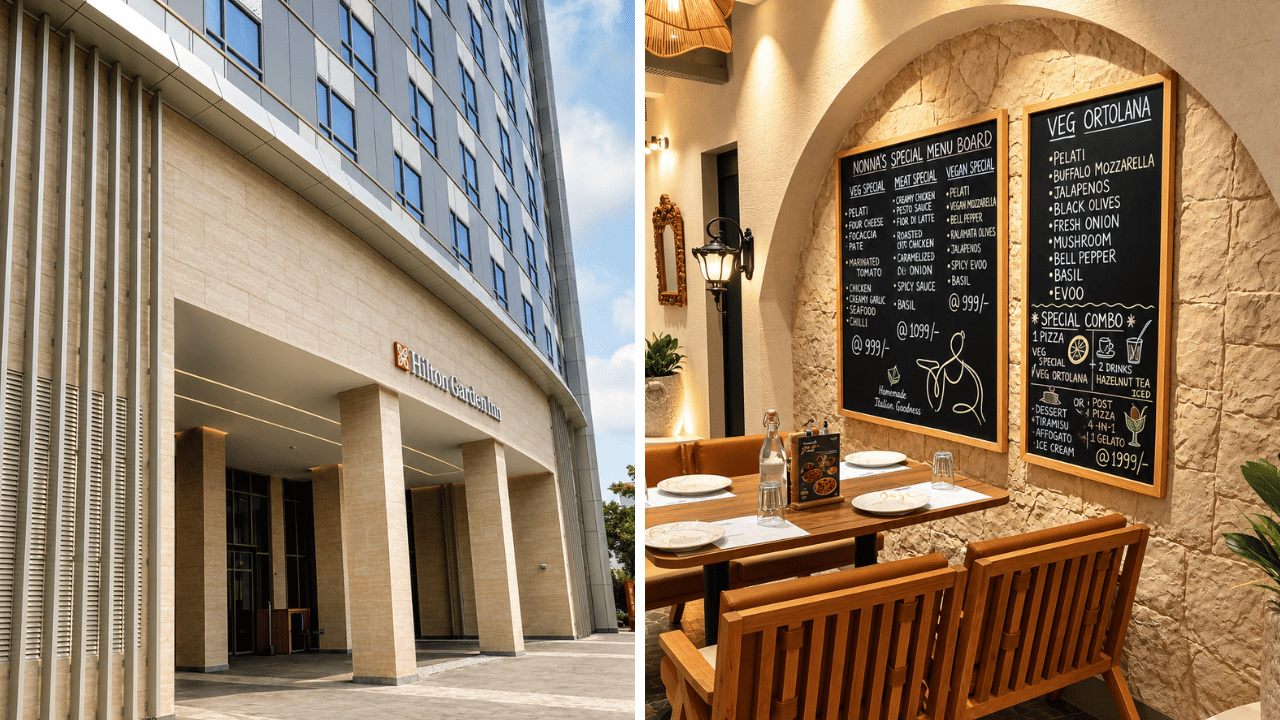
A cafe’s feature wall is usually the first thing people see, take photos of, and remember later. Brick Cladding is great if you want the place to feel steady and familiar. It gives the space a down-to-earth look. If you wish for more texture but not too much weight, Cultured Stone Cladding is a good choice. Both styles will give a distinct atmosphere to a busy commercial space.
You can use these types of cladding behind seats, near menus, or close to service counters. If your brand colours are soft or earthy, these finishes go well with timber, warm lights, and black metal touches. If you add vertical lines through lighting or shelves, you help the look stand out even more.
- Brick Cladding gives the space a warm, city feel that is easy-going.
- Cultured Stone Cladding brings more depth and a more finished look.
- Both choices are better at hiding marks than flat painted walls.
2. Counter Fronts and Bar Areas: Concrete and Flexible Cladding for Durability and Unique Texture
Counters and bar fronts get a lot of use. Bags rub against them. Shoes hit the bottom. People clean them every day. That is why Concrete Cladding can be a smart choice for them. It brings a clean look, with a stylish finish and feel. This fits well in cafes, dessert bars, and small food spots.
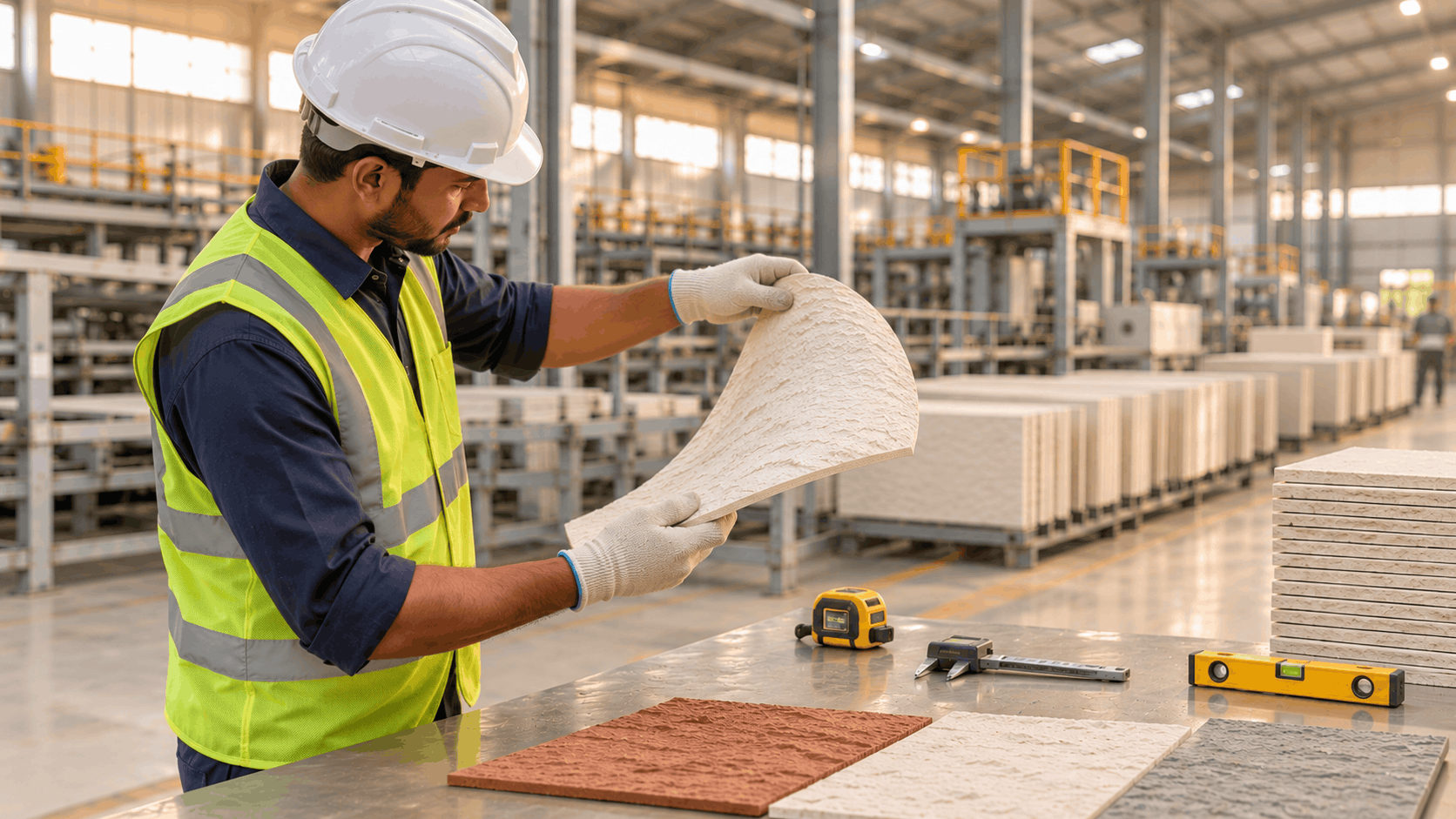
Flexible Cladding works well when the counter needs to curve or turn corners. It is good for jobs where handling must be light and the fit should be more tidy, even for odd shapes. Flexura is made for those cases when the way the counter looks matters as much as how fast you can use it.
- Concrete Cladding gives a strong sharp style, with good strength.
- Flexible Cladding is better for rounded counters and tighter spaces.
- You can pick both to match brand colours, whether they are dark, plain, or bright.
3. Entrance Facades for Cafes and Offices: Facade Cladding with Weather-Resistant Materials
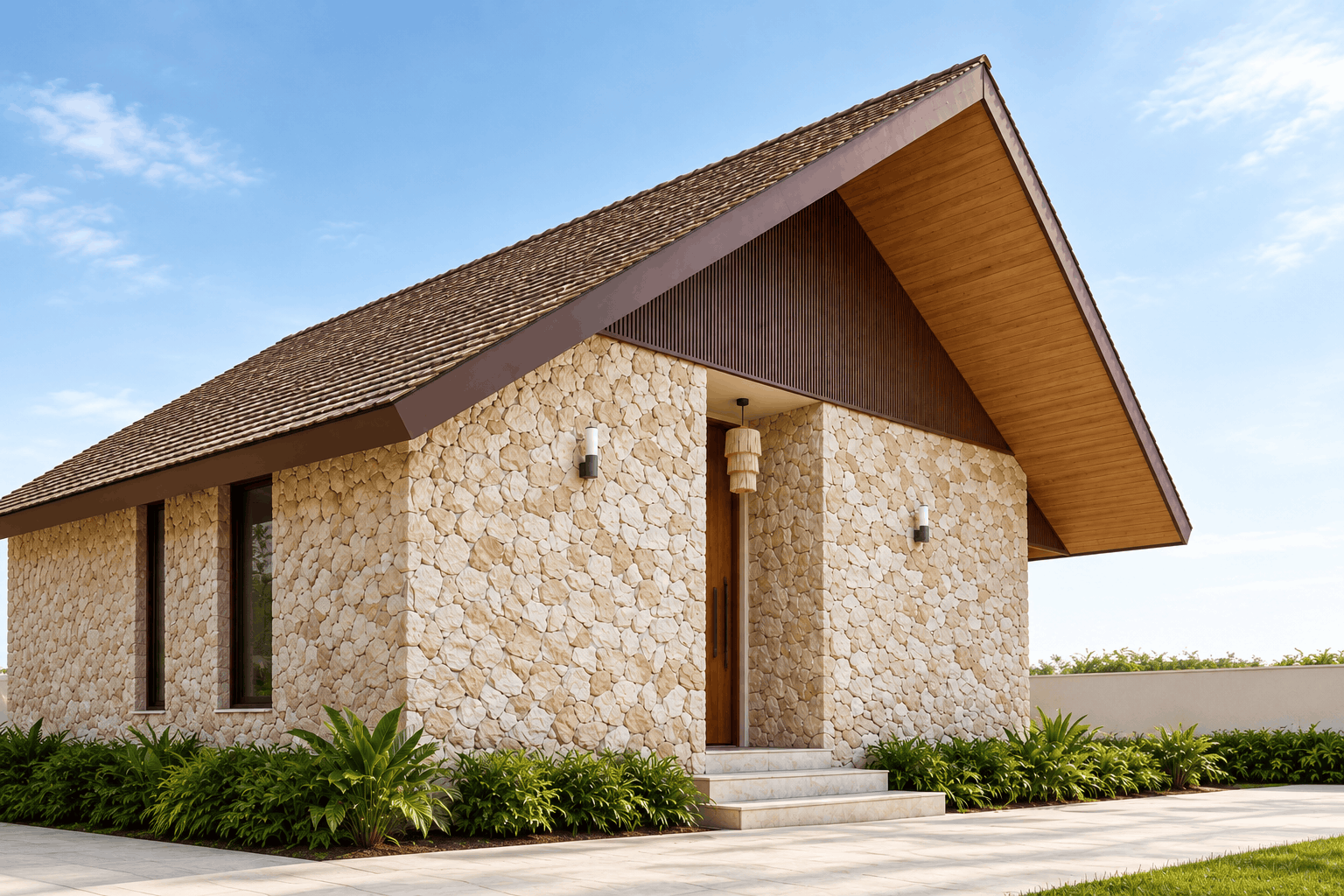
Your entrance sets expectations before anyone steps inside. For cafes and offices in India, Exterior Cladding must handle monsoon moisture, summer heat and city dust. Facade Cladding should also suit the building character and your brand colours. Brick Cladding, Stone Cladding and Concrete Cladding are often considered for this reason.
Interior Cladding focuses more on mood, finish and touchpoints. Exterior use asks for a stronger weather-resistant specification and easier cleaning. In practical terms, the visual goal stays the same: make the frontage look composed and easy to identify.
| Area | Suitable cladding type | Look created | Practical benefit |
|---|---|---|---|
| Cafe entry wall | Brick Cladding | Warm, inviting street presence | Handles visible wear well |
| Office front | Concrete Cladding | Modern, professional face | Clean-lined finish |
| Accent portal | Flexible Cladding | Smooth wrapped form | Useful on curves and edges |
| Textured entry zone | Stone Cladding | Strong natural depth | Good for exterior character |
4. Seating and Booth Backdrops: Flexible Cladding for Curves, Comfort, and Easy Maintenance
Booth seating and niche walls often need softer lines. That is where Flexible Cladding is good. It can fit curved walls, columns, and shaped partitions quicker than tough finishes. In cafes, this helps you make a smoother feel that seems thought out, not forced.
Visually, Flexible Cladding keeps the seating close together and tidy. Practically, it makes things easier when cleaning up spots with food or drinks, and there is always people moving. Flexura is great when the design has bends, wraps or narrow spots.
- Flexible Cladding works well on curved walls and booth edges.
- It makes a smart, clean look with less breaking things up.
- It fits indoor spots where quick installation helps keep the job moving.
5. Reception Walls in Offices: Cultured Stone and Concrete Cladding for Professional Appeal
The reception area should be calm, welcoming and look tidy. It helps the space feel credible to everyone who enters. Using Cultured Stone Cladding can add a soft touch of style to the wall without making it feel too much. Concrete Cladding gives the space a modern and sharp feel that works well if you want a more business-like look. Both of these options help a commercial space look more professional.
This part of the office is also where it is good to match the colours of the cladding with the brand colours, lighting and any signs. Choosing the right finish for the wall can help frame your company logo, make both sides look balanced and give the arrival area a planned, neat feel. If you want your space to look high-end, Wall Cladding can be a smart choice. It adds both texture and depth to the surface.
For some jobs, you may want to use Architectural Cladding like Kratos Beton, Canvas Concrete or Translucent Concrete for the reception area. These are an option if you want a showpiece. The cladding you pick should fit the specification, the mood you want for the reception area and how bold you want that first look to be.
6. Showroom Display Backdrops: Brick and Showroom Cladding to Highlight Products
In retail and showroom spaces, the background needs to help your products stand out. It should not take attention away from them. Brick Cladding is a good choice if you want the space to feel more real and full of life. Concrete Cladding or Cultured Stone Cladding can work best if you want a clean, modern style. The right choice depends on your products and how you set up your displays.
When picking showroom cladding, you need to think about your product displays, how people move through the store, and where the lights come from. For example, using vertical lines in your shelves, strips or frame makes a wall look taller and more tidy. This gets people to focus on what you are selling. It also gives your store a clear look and feel.
If you are making feature walls or entrance portals, Interior Cladding helps create stronger zones. You can do this without making the place look too busy. This gives you a good mix of backdrop, signs and your brand colours.
7. Staircase and Lobby Walls: Office Cladding for High Footfall and Low Upkeep
Staircases and lobbies get a lot of people passing through, but most of the time, they do not get much attention. In a commercial space cladding plan, these areas should have finishes that look good and can be kept tidy easily. Concrete Cladding is a good choice for a modern lobby. Brick Cladding or Stone Cladding can be a better fit where you want more character in the place.
These spaces also do well with surfaces that keep everything neat and ordered. The right wall finish can make the area look less plain and help the whole commercial space feel more complete. Depending on how the cladding is put together, some options may also help with the insulation specification.
- Concrete Cladding works well for stair and lobby walls in busy places and does not need too much upkeep.
- Brick Cladding gives shared movement areas a warm touch.
- Stone Cladding adds texture to bigger lobbies and entry corridors.
Conclusion
To sum up, adding cladding to the cafe or office helps make the place look better. It also shows off the brand and makes things last longer. Feature walls can change how a room feels. Weather-resistant cladding can stand up to changing weather, so it works well for many commercial spaces. These ideas use materials like brick, cultured stone, concrete, and flexible cladding. All these options look good and last for years. When you think about making the space better, keep in mind that the right cladding can really change your place. It can handle busy days and needs little fixing. If you want advice or want to see some samples, get in touch with Articlad today!
Frequently Asked Questions
What are the best materials for commercial cladding in Indian cafes and offices?
Brick Cladding, Cultured Stone Cladding, Concrete Cladding and Flexible Cladding are all good options. The right choice will be about your commercial space, brand colours, upkeep and the full specification. You may, in some cases, need to think about insulation and the look you want. These things can help you pick the best cladding for your space.
How should I choose between interior and exterior facade cladding for my business?
Begin by looking at the location and what you will use it for. Facade Cladding on the outside needs to handle rain, heat, dust and cleaning. Interior Cladding should help set the mood and work well in spots like the reception area. In every commercial space, you have to check the specification, insulation needs, the level of foot traffic and the surface finish before you decide.
Is flexible cladding suitable for curved walls and fast installations in commercial interiors?
Yes, Flexible Cladding is a good option for curved walls, pillars, and counters in a commercial space. The use of this cladding can help when you need to finish a project fast and the design has bends or wraps. You must check how strong it is, look at the surface it will go on, think about insulation, and see how it will be put in place during planning.