The outside of the building is the first thing buyers, tenants, and valuers see. People look at the shape and size of the rooms later. First, they notice the finish, the look, and how the building stands out. This is why exterior wall cladding matters. It is not just for style. The best cladding material can help a building look good, be easy to look after, and stay strong in the market. For people who own homes or build them in India, wall cladding makes a big difference in the property’s value. It depends on how it looks, how well it works, and how long it lasts.
Understanding Exterior Cladding and Its Role in Building Value
Exterior cladding is the outer layer put on the exterior walls of a building. The main job of cladding is to protect a building. It also makes it look better and gives it extra style. Cladding helps the building envelope by blocking rain, wind, and sun. It also helps the building deal with changes in temperature.
A facade is the part of a building that people see. Cladding is the material used on that visible face or sometimes on other parts, too. If you pick cladding carefully, it can make the building look good. It can help with maintenance requirements and give extra support to the building structure for years. You can see how useful it is when you look at Indian construction.
What Is Exterior Cladding? Practical Uses in Indian Construction
Exterior cladding is a covering put over another surface. It helps make a protective layer. In the world of construction, people use it to give better weather resistance, more thermal insulation, and to improve the look of the building’s exterior. Exterior cladding is not the main part of the wall that holds weight.
For homes, exterior wall cladding makes the finish better for bungalows, villas, apartments, and boundary walls. In commercial buildings, wall cladding gives offices, shops, and other spaces a cleaner and sharper look.
In India, walls deal with monsoon rain, summer heat, and in many places, coastal humidity. Good wall cladding can push water away from the surface, so it helps stop early damage. This mix of protection and style is why people link cladding with more value.
How Cladding Enhances Curb Appeal and Influences Property Resale Value
First impressions of a place come quick. If the building’s appearance is clean, up-to-date and planned well, buyers are more likely to think the property is taken care of. This is where curb appeal starts to link up with property resale value.
Different cladding finishes give you many customization options. There is a wide range of colors and textures that can change how people see your home or project. You can make a classic, premium, urban or simple look without making big changes to the structure.
- Brick Cladding gives the place a timeless and familiar look.
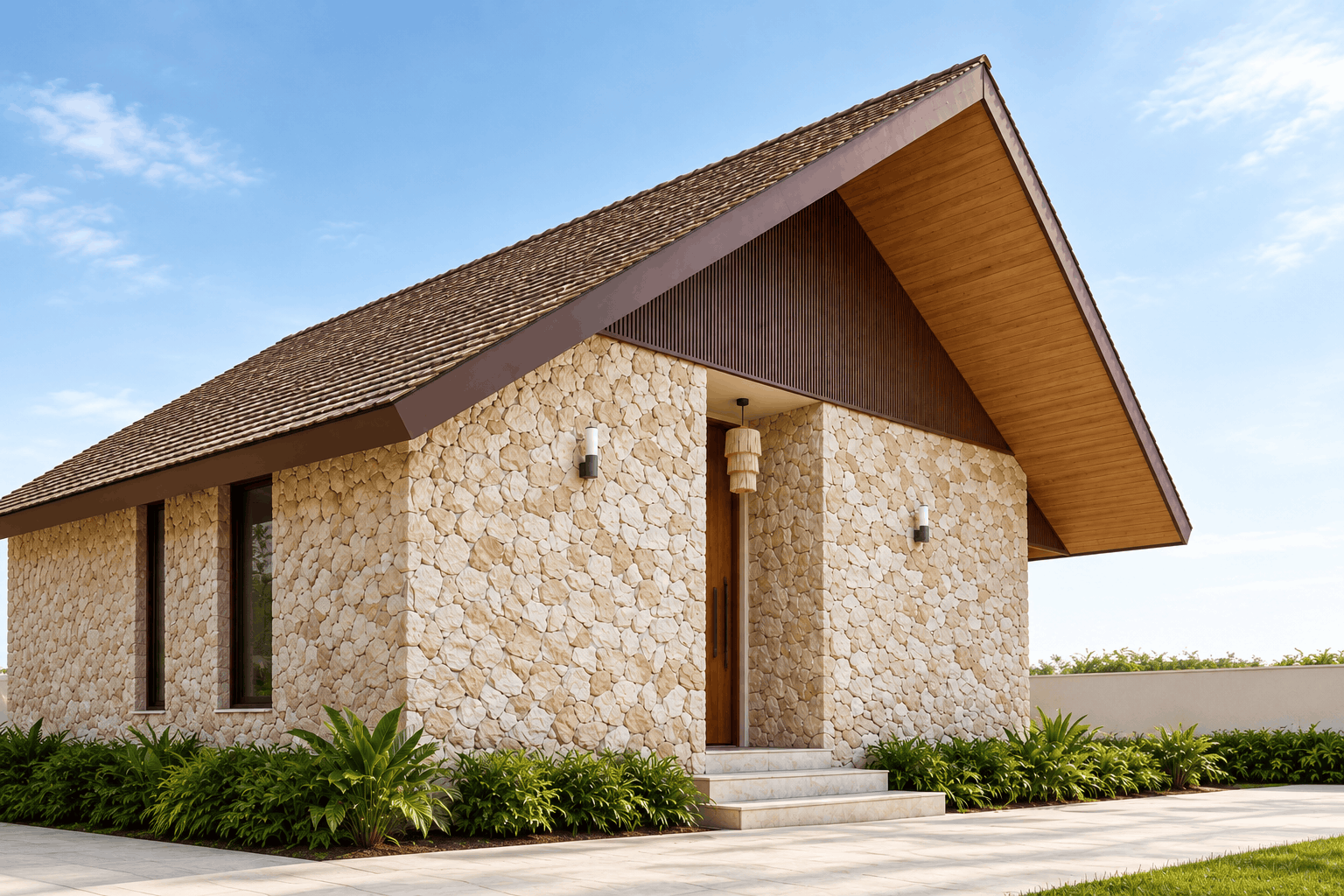
- Stone Cladding and Cultured Stone Cladding help you to create a premium feel with more texture.
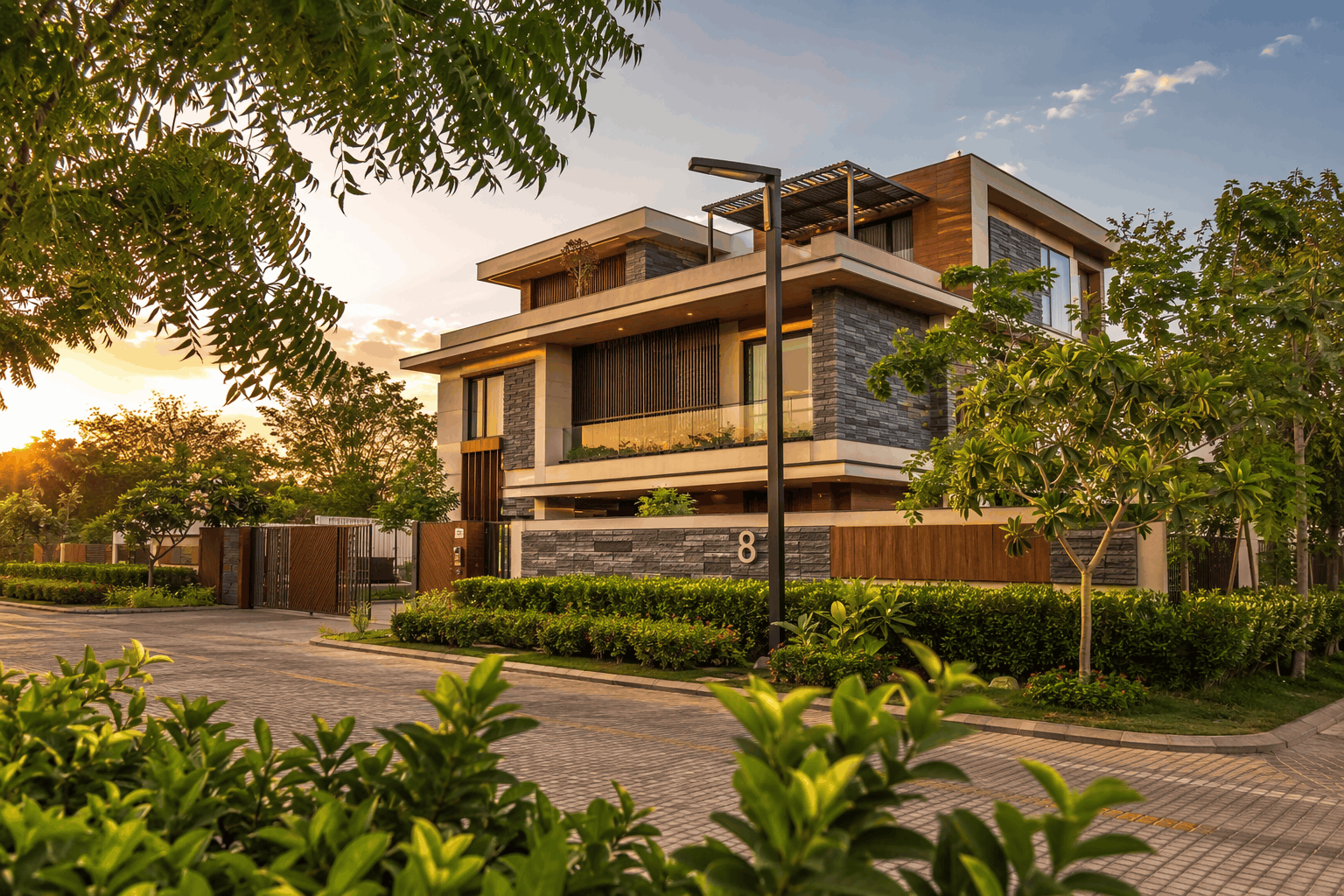
- Concrete Cladding and Flexible Cladding can bring modern design and clean lines to the outside.
Building resale value in India isn’t just about cladding. Location, overall build quality, good upkeep and market conditions matter the most too.
Popular Cladding Types for Indian Homes and Buildings
Today, people who own a building have a lot of cladding options for the building’s exterior. Every choice has a different look, weight, how much care it needs, and how you put it in place. The most commonly available types you see are brick, stone, concrete, metal, fibre cement, PVC, and timber-based finishes.
Some owners want the building to have a natural look, but some go for a modern design. Some projects also use reconstituted timber products or timber cladding, though the upkeep for these can be different. If you want long-term value, it’s good to look at the main cladding options that work best for Indian weather and design needs.
Brick Cladding, Stone Cladding, Concrete Cladding and Flexible Cladding
Brick Cladding, Stone Cladding, Concrete Cladding, and Flexible Cladding are leading options because they bring a strong look and work well. You can use each of them for homes or commercial projects, depending on the building structure and how you want it to look.
If you look at it from a manufacturer’s side, these materials let both architects and builders make Architectural Cladding that is to the point and not just for looks. Articlad brings a range of Made in India options, such as Cultured Stone Cladding, Flexura Flexible Cladding, Kratos Beton, Translucent Concrete, and Canvas Concrete to match many design needs.
- Brick Cladding: classic look, gives a familiar feel, very strong and lasts long.
- Stone Cladding: can look natural or made by hand, offers a high class look, high durability, and needs little care.
- Concrete Cladding: modern and solid, gives many ways to design.
- Flexible Cladding: simpler to use on curved or tricky surfaces, good where the plan asks for more freedom.
Comparing Facade Cladding Options: Visual Impact, Durability and Application
No single cladding material suits every project. The right choice depends on visual impact, maintenance requirements, climate exposure and where the surface will be used. Some finishes look richer, some install faster and some are chosen mainly for durability and fire resistance.
Here is a simple comparison:
| Cladding type | Visual impact | Durability | Application | Maintenance requirements |
|---|---|---|---|---|
| Brick Cladding | Timeless, familiar | High | Homes, boundary walls, facades | Low |
| Stone Cladding | Premium, textured | Very high | Villas, feature walls, institutional projects | Low |
| Concrete Cladding | Strong, modern | High | Urban facades, commercial use | Low to moderate |
| Flexible Cladding | Contemporary, adaptable | Depends on system | Curves, details, renovation work | Low to moderate |
A product that stands the test of time usually balances aesthetic appeal with correct application. Cost also varies by finish, substrate condition and installation method, so the best value is not always the lowest starting price.
Durability, Maintenance and Long-Term Performance of Wall Cladding
Value is not made by looks alone. People think about how a surface will age, too. Wall cladding with good weather resistance and low maintenance is often seen as better in the long run. This is because it helps keep the outside looking good and cared for.
In India, harsh weather conditions can show weak material choices very fast. That is why high durability, long life, and realistic maintenance requirements are so important. The next two parts talk about how less need for repairs and better climate strength help wall cladding stand the test of time.
Low Maintenance Exteriors: Reducing Repairs and Repainting Costs
A low maintenance exterior can help buyers feel sure about their choice. It shows that there will be fewer fixes to worry about once they own the place. The costs of repainting, patching, and doing small work on surfaces make people think about what it will take to look after their home.
Exterior wall cladding that keeps its look and stands up to daily use means less need for fixes. This is important in city property, where owners want their buildings to look good without having to deal with work and spending all the time.
- Fewer repainting jobs lower the stress of routine care.
- Better wall cladding can stop small repairs from weather like rain and sun.
- Clear maintenance requirements let owners plan what they have to spend.
The deal is clear: some types of wall cladding cost more at first or need to be put up with care. But for many, thinking about the long-term matters more than just the early price.
Weather Resistance and Longevity: Building Value in India’s Climate
India’s weather puts a lot of strain on outside surfaces. Monsoon rain, strong sun, dust, humidity and coastal air all make a finish age faster. So, weather resistance can’t be seen as an extra feature. It is important for all outside surfaces.
Exterior cladding helps move water away from the wall. It can keep moisture from getting into the building structure if the system is designed and installed well. This adds years to the building envelope and keeps it looking the same as seasons change.
When people talk about property value in India, how strong a finish is matters. A finish with high durability is better to rely on because it doesn’t change too soon. Still, what a property is worth depends on the market, how often you care for it, and how good the project really is.
Comfort, Protection and Added Benefits from Quality Cladding
Good exterior cladding can give a building more than a nice look. It helps the building envelope deal with heat, wind, and water much better. This lets people inside feel more comfortable every day, not just when someone is thinking about selling.
Insulation, fire resistance, and keeping out moisture each play a part in making a building feel safe to be in. These features also help with energy efficiency and are useful for keeping on top of repairs. For buyers, exterior cladding is about much more than how a building looks. It is part of what makes a building work well overall.
Insulation Against Heat, Humidity and Monsoon
In many Indian cities, summer heat keeps putting stress on exterior walls. When the rains come, walls also get wet and dry again and again. This can hurt how well the outside of the wall works. Exterior wall cladding is good because it adds a layer on top of the wall to help protect it.
Depending on what system you use, wall cladding can help with thermal insulation. It also supports energy efficiency by lowering how much sun hits the wall surface right away. The cladding can also help stop moisture, making it easier for walls to handle rain. It sends water away from the building when it rains a lot.
- Think about how the wall cladding material deals with heat when it is in the sun.
- Check how this system manages to keep out moisture during long rainy times.
- Pick a finish that fits the weather in your area, not just how it looks.
If you put comfort and building design together, the property will feel better and could be worth more one day.
Safety and Moisture Protection: Why Buyers Value Facade Design
A facade design is what people notice first. Cladding is the layer of material that helps create and protect the building’s exterior. Most buyers may not know these technical terms, but they do recognise when a building looks strong and well put together.
One main reason to use cladding is to keep out moisture. Cladding helps control how water runs off and stops water from getting in, which can save the wall surface. This reduces signs of damp and damage that people often see when they visit a property.
Fire safety is important too. The materials used in cladding change how fire acts. Some give better fire resistance than others. This is why builders and those who pick materials need to think carefully about fire safety, especially with bigger blocks or places where many people stay. Buyers care about this, because knowing there is safety makes them trust the home more.
Cladding and Building Purpose: Residential vs Commercial Considerations
Cladding options need to fit the purpose of the building. In residential projects, people usually want the space to feel warm. They care about the look and want something easy to keep up. In commercial projects, the focus is on making the place stand out. The aim is to have a clear style and a good look for the public.
You can use the same cladding options for both types. But the way you pick them is not the same. A family house, a shop front, and an office block each want different things from the building structure and the building envelope. You see a bigger difference when you look at resale, leasing, and the image of the place.
Supporting Resale and Leasing in Modern Property Markets
In today’s property market, how a place looks and is cared for matters a lot. It helps a home sell for a good price. For offices and shops, it changes how people feel about renting the space, even before they come in.
Wall cladding on the outside gives a building a smart look. It shows if the outside will be simple to look after. This helps a lot in crowded city areas, where many buildings fight for attention.
- Homes get a better street view and a clear style.
- Shops and offices look smarter for people who want to rent.
- Both types see gains when people know what to expect with care and there is little wear on show.
Still, selling or renting a place depends on more than just how the outside walls look.
Brand Perception and Image Enhancement Through Facade Value
For commercial buildings, what is on the outside often becomes the brand itself. The facade is the first thing customers, visitors and people who rent space see. They think about the business by looking at it before they ever speak to someone. If the front looks old or is not well finished, it can make a bad first impression.
Cladding helps improve this image. It lets designers control how things look-how smooth or rough, the patterns, and the shine. Concrete Cladding gives a strong city look. Stone cladding or Cultured Stone Cladding show strength and make the building look deep and lasting. Flexible Cladding can help keep the same look on surfaces that are not simple.
For those who make these materials, the choice matters a lot. A good brand comes from a steady look, not by doing too much. When the outside matches what the project is about, the building looks stronger and fits better.
Common Cladding Mistakes That Affect Property Resale Value
Not every cladding choice helps the building. Some options make things worse by causing early wear, visible mismatch, or extra maintenance problems. People see these issues fast, and it affects trust in the building’s exterior.
The value when selling the property can drop if the cladding material is wrong for the area. It can also go down if the way it is put on is not good or if maintenance requirements are missed. The main mistakes are simple, but you can avoid them with better planning.
Poor Material Choices, Bad Installation and Ignoring Local Conditions
Poor material choices often begin when people pick just based on looks. A finish might seem good in the catalogue. But it can fail if it does not match sun, humidity, or the building surface. This leads to problems later.
Bad installation can hurt even more. A strong material will not work well if joints, lines, or fixings are not done right. In India, things like monsoon, dust, or coastal air must be part of the plan from the start.
- Match the material to the climate and building use.
- Use trained installers who know how the system works.
- Check maintenance requirements before giving final approval.
These steps keep the value safe. They also help the building envelope work as it should. This stops small issues from and coming back over time.
Mismatched Finishes and Neglecting Regular Maintenance
A good exterior should look like it fits together. If finishes do not match, even a new job can seem uncertain or poorly made. That hurts how the building looks and can also make people doubt that it is high quality.
Exterior cladding should work with the building’s style, not against it. If the texture, colour or style does not go with the windows, lines or other surfaces, it can make the property less attractive from the street instead of better.
You still need to keep up maintenance, even for materials that do not need much work. Dirt, missing seals or small cracks that do not get fixed can make a building look older. If you want to get a good price for your property, looks and care are both important. People often think that if the outside is not looked after, there could be bigger problems inside too.
Selecting Exterior Cladding for Long-Term Value: Quick Checklist
If you want long-term value, you should start with some simple questions. How will the finish look as time goes on? How much care will it need? Is it right for the weather in that area, the style of the building, and the market the project is meant for?
Good cladding options are not just picked for how they look. It is important to balance the cost, how strong it is, how well it is put on, and how much help you get from the supplier. This way, the building’s exterior will stay reliable for years. The checklist below will help you stay on track when making your choice.
Choosing by Budget, Climate, Durability, Finish and Installation
A smart selection does not just look at catalogue photos. You need to think about your budget, the service life, if it fits the climate, and the installation quality in your area. This is what keeps the value safe for a long time.
When you look at cladding options, ask clear and simple questions. Will this finish still look good in five years? Can it stand up to heat, rain, and cleaning? Does the installer know the product system well?
- Set a budget that works for both the material and the installation.
- Make sure the finish works with the climate around you.
- Compare how strong it is and how it ages over time.
- Pick a finish that fits the building and the market you are in.
- Check the installation quality before the work starts.
This way, you lower the risk of regret. You pick based on how well it works, not just on impulse.
Importance of Supplier Support for Quality Wall Cladding
Supplier support is important because cladding choices do not stop after you place an order. You might need help with picking the right cladding, detailing, how to apply it, and how to care for it once it is installed. This support can have a big effect on how well the system works onsite.
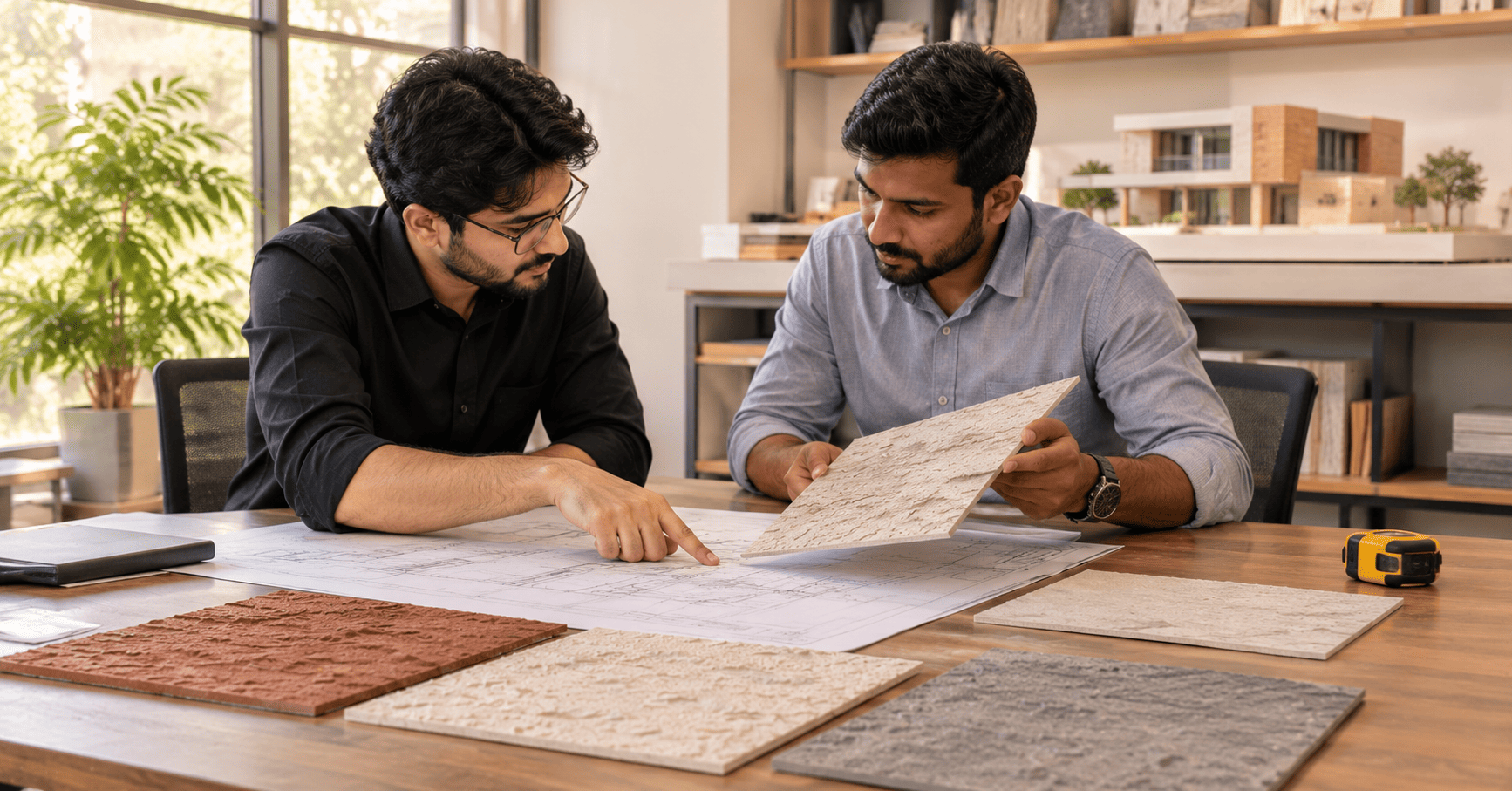
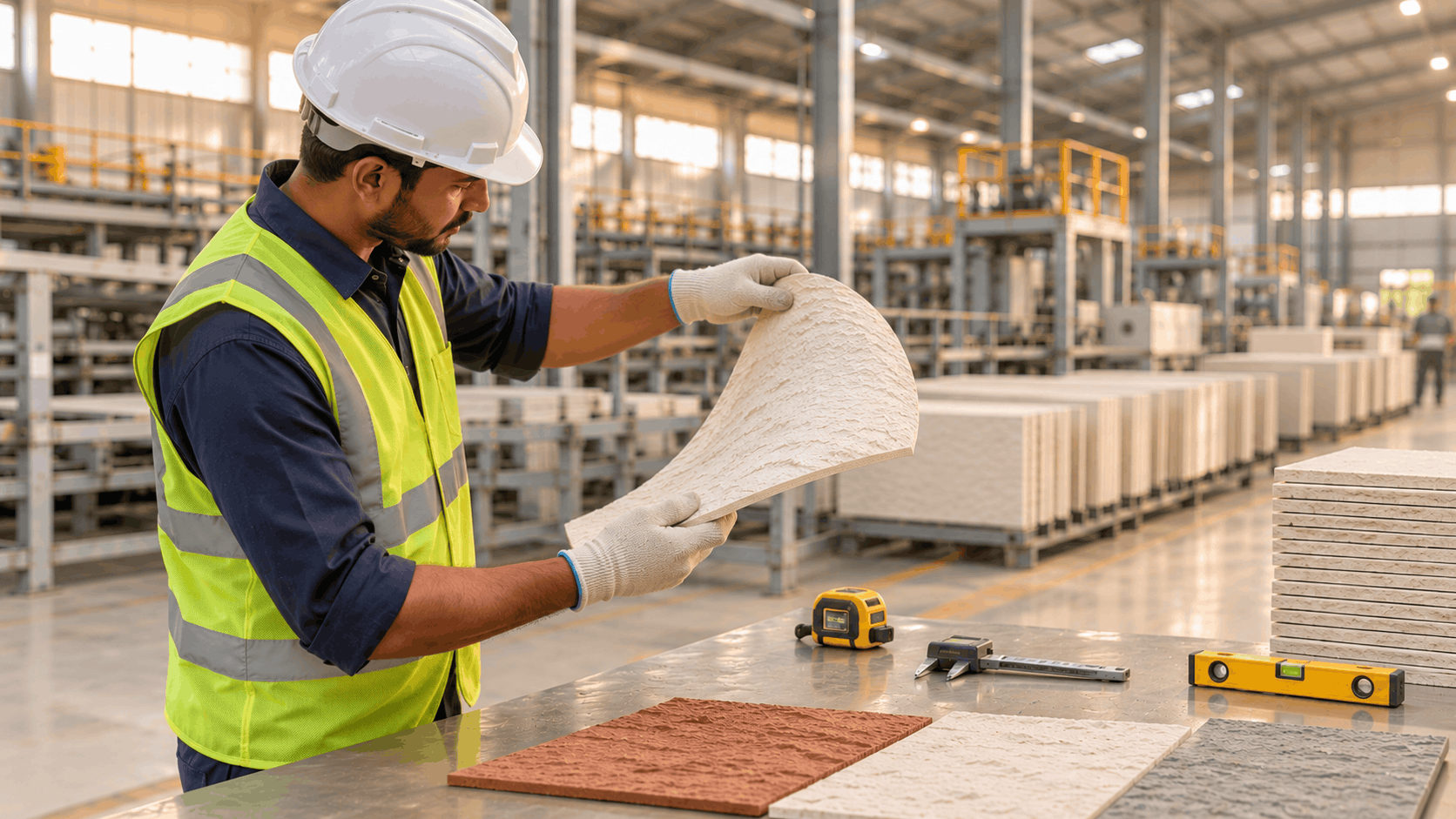
When looking for quality wall cladding, check if the supplier gives samples. Find out if they offer advice on finishes and can tell you about the maintenance requirements. Good support helps both designers and builders find products that work with the building envelope and not just cover it.
At Articlad, the manufacturer’s role becomes useful. The team give project guidance, whether it is about Brick Cladding, Stone Cladding, Flexura, Kratos Beton, Translucent Concrete, or Canvas Concrete. Their help can guide you to pick a finish that suits the design, the climate, and your plan for long-term care. Ask for samples, technical details, and 25-Year Warranty terms if they are available.
Conclusion
In the end, picking the right cladding is key to boosting the value of your building and making sure you are happy with it for years. Good exterior cladding lifts the building’s aesthetic appeal and gives needed cover from India’s mixed weather. Strong materials bring benefits like keeping heat in or out, and helping stop water from getting in. It is also important to stay clear of problems, like bad fitting or wrong material choices, as these can hurt the resale value. Look at your choices, think about the cost, weather, and how tough the cladding is. This will let you choose wisely and help in the long run. For more tips and to see our exterior cladding options, get in touch with Articlad for samples and help with your project.
Frequently Asked Questions
How Does Exterior Cladding Impact the Building Resale Value in India?
Exterior cladding can help boost property resale value. It makes the building’s exterior look better, adds more aesthetic appeal and shows that there is visible upkeep. Buyers look for weather resistance and care about maintenance requirements. But, resale value in India depends on the location, quality of construction, maintenance history and what the market is like now. It is not based only on exterior cladding.
What Factors Should I Consider When Selecting Wall Cladding?
Make sure to pick the cladding material that fits your budget, climate, and will last a long time. Look at how well the system works with the building envelope. Check the installation quality too. You need to know about the maintenance requirements for the years to come. Remember, a nice-looking finish only matters if it works well in real life.
Is Stone Cladding Suitable for Indian Homes?
Yes, stone cladding can suit Indian homes if the building structure and site conditions are checked first. It is known for weather resistance and strong look. Stone cladding gives high durability and looks good for much time. This works well for owners who want a smart finish with low maintenance work.
See how the choice of exterior cladding changes curb appeal, high durability, and building resale value in India. Get real advice from Articlad.