Key Highlights
COVID-19 turned home into a center for safety, routine, and public health.
Families spent more time together and saw how spacial ambience shapes comfort and connection.
Interior layout, fresh air, and light supported physical health, mental health, and cognitive function.
Safe housing reduced psychological distress and strengthened a sense of belonging during isolation.
Eco-friendly choices and better indoor air quality can support disease prevention and quality of life.
The pandemic reminded Americans that home is more than shelter; it is a daily sanctuary.
Introduction
COVID-19 changed how you see your home. What once felt routine became the center of work, rest, care, and connection. That shift made one thing clear: a home is a fundamental part of human life because it supports mental health, protects public health, and shapes your quality of life every day. During the outbreak, people realized that walls, light, air, and shared spaces matter deeply. Home was not just where you lived. It was where life held together.
The Pandemic and the Rediscovery of Home Life
When COVID-19 spread as a global infectious disease, daily life narrowed to the home. Guidance from the World Health Organization and other public health bodies pushed people indoors, and that changed how families used and valued their space.
For many, homeownership took on new meaning. Even renters looked at their surroundings with fresh eyes. Rooms had to support safety, work, study, and rest at once. That shared experience brought people together and made the home environment feel more important than ever.
How the Importance of Home Became Central During COVID-19
As the number of cases rose across the world, homes became the first line of protection. Public health advice focused on staying in, limiting contact, and reducing exposure. In simple terms, your home became your barrier between your family and a fast-moving virus.
That role was not limited to owners. Renters faced the same pressure to make their living spaces safe, usable, and calm. A dining table became a desk. A bedroom became a quiet corner for recovery or focus. Every square foot mattered more than before.
In that moment, homes helped protect families by supporting distancing, home isolation, and daily continuity. They gave people a place to regroup when public systems were under strain. COVID-19 made it plain that housing is not separate from public health. It is one of its foundations.
Evolving Roles of Family Spaces in Daily Routines
Family spaces changed quickly during the pandemic. The kitchen, living room, and hallway had to do more than ever before. They became places for meals, work calls, school tasks, rest, and conversation. That shift showed how closely layout affects your quality of life.
A well-used space can also support physical activity. Even simple movement at home matters when outside routines are limited. Open areas, clear pathways, and flexible furniture make it easier to stretch, walk, and stay active without leaving the house.
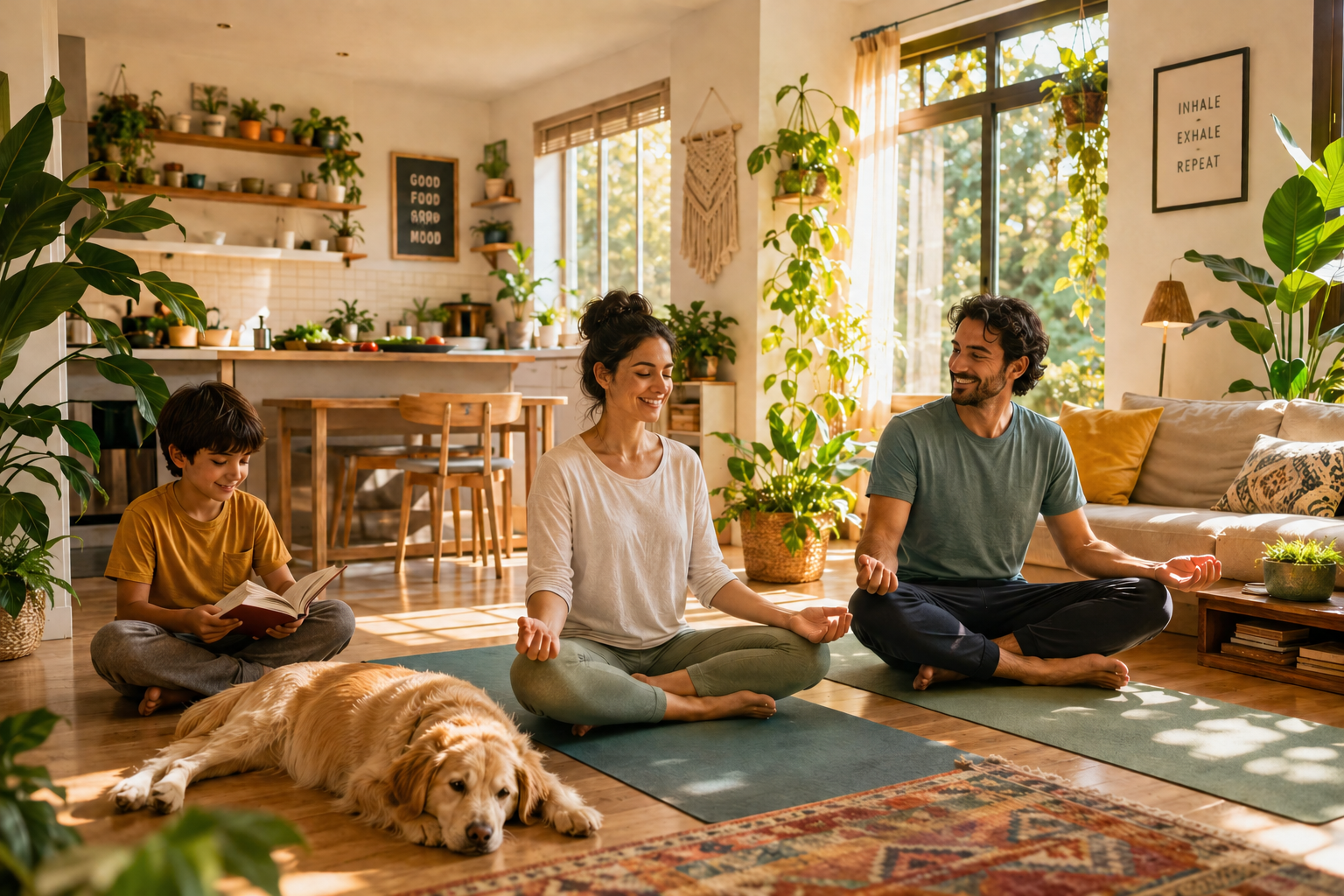
Just as important, shared rooms can create a stronger sense of belonging. When families spend time together in welcoming spaces, connection grows. Spacial ambience is everything here. Light, comfort, and flow help people feel calmer and more included. The design of a home does not just shape movement. It shapes how you live together.
Space Impacting Wellness: The Science Behind Home Environments
Your home environment affects far more than comfort. It plays a direct part in physical health, especially when people spend long periods indoors. During COVID-19, attention turned to how rooms, airflow, and daily surroundings influence well-being.
Indoor air quality also matters for mental clarity and cognitive function. Fresh air, good ventilation, and cleaner interiors can help you think better and feel less weighed down. The science is simple: the spaces around you shape how your body and mind respond each day. That leads naturally to design details.
Physical Health Benefits of Thoughtful Interior Layouts
Thoughtful design supports physical health in practical ways. A clear layout improves movement, lowers crowding, and helps each room serve a useful purpose. During a health emergency, that kind of order can make daily life feel more manageable and less chaotic.
It also helps when a home needs to support isolation or changed routines. Good spacing allows family members to rest, work, or recover with fewer disruptions. Even small improvements in layout can reduce stress on the body by making daily tasks easier and movement more natural.
This matters across income levels, including for low income households where space may be limited. When housing is tight, every design choice carries more weight. Flexible furniture, uncluttered walkways, and well-used corners can improve personal wellness without requiring major expense. Better layout often means better living, even in modest homes.
Influence of Natural Light, Ventilation, and Materials on Wellness
Natural light and airflow do more than make a room pleasant. They support air quality, help spaces feel open, and can ease pressure on your mental health. During the pandemic, many people noticed that brighter rooms felt calmer and easier to spend time in.
Ventilation also became a major public health concern because airborne spread matters in infectious disease control. Better airflow and filtration can reduce the buildup of harmful particles indoors. That makes the home environment healthier during outbreaks and in everyday life.
Simple features can make a real difference:
Open windows when possible to improve airflow.
Use ventilation and filtration to support cleaner indoor air.
Choose natural materials that feel less harsh and more grounding.
Let daylight reach shared spaces to improve mood and comfort.
Emotional and Social Well-being Within Four Walls
A safe and comfortable home can soften psychological distress in difficult times. During COVID-19, people faced loneliness, uncertainty, and sudden changes to routine. In that setting, home became the emotional center of daily life.
More than shelter, it offered a sense of belonging. A familiar room, shared meal, or quiet corner helped people feel steadier when the outside world felt unsettled. The emotional value of home became easier to see because so many families relied on it every single day. From here, togetherness becomes the next part of the story.
Fostering Togetherness and Resilient Relationships at Home
COVID-19 brought many people closer in ways they did not expect. Families spent more time in the same space, shared routines, and paid closer attention to each other. That togetherness was one of the few bright points in a difficult period.
Of course, being together all the time also created high levels of stress. That is why the feel of a home mattered so much. A calm, healthy environment supported patience, rest, and better communication. When a space feels breathable and balanced, people often respond to each other with more care.
In that sense, a green and healthy home environment contributes to better living by improving quality of life inside relationships. Cleaner air, natural light, and thoughtful space do not solve every conflict, but they can reduce pressure. During the pandemic, many people learned that environment shapes connection as much as conversation does.
Coping Strategies for Mental Health During Isolation
Isolation tested mental health in new ways. Many people dealt with psychological distress as routines shrank and outside contact fell away. In those moments, the home environment had a direct effect on how supported or trapped a person felt.
A space that allowed rest, daylight, movement, and simple structure often helped build resilience. You did not need a perfect home. You needed a space that could support calm and basic rhythm. Even small environmental changes could make long days feel more manageable.
Helpful strategies included:
Creating one area for rest and one for focus when possible.
Opening windows or seeking daylight to improve mood.
Making room for light physical activity indoors.
Keeping shared spaces calm and predictable to lower tension.
Conclusion
In conclusion, the COVID-19 pandemic has served as a vital reminder of the significance of our home environments in promoting wellness and fostering togetherness. As we navigated through isolation, many of us rediscovered the importance of creating spaces that not only cater to our physical health but also nurture our emotional and social well-being. By taking proactive steps to enhance our living spaces with natural light, thoughtful layouts, and eco-friendly practices, we can cultivate an atmosphere that supports both individual and collective resilience. Now is the perfect time to prioritize your home as a sanctuary for health and connection. If you’re ready to transform your living environment, reach out for a free consultation to explore ways to enhance your home’s wellness.
Frequently Asked Questions
How can improving home environment prevent the spread of diseases?
Improving indoor air quality through ventilation and filtration can reduce airborne particles in shared spaces. That supports public health and disease prevention, especially during outbreaks involving respiratory illness such as respiratory syncytial virus. Cleaner air also improves comfort and quality of life for people spending more time at home.
What features make a home supportive during health emergencies like pandemics?
A supportive home offers safe housing, enough space for daily routines, and conditions that allow rest, distancing, and airflow. Homeownership can add stability, but affordability matters just as much. During health emergencies shaped by public health guidance and international health regulations, practical, stable housing becomes essential.
Why is the design and layout of home important for wellness and togetherness?
The layout of a home affects movement, comfort, and how people share space. Good design supports physical health, makes daily tasks easier, and can improve cognitive function by reducing clutter and stress. It also builds togetherness by helping families feel connected, comfortable, and rooted in a shared sense of belonging.