Summer heat is a daily building challenge in many Indian cities. Walls stay exposed for long hours, and that stored heat often moves indoors well into the evening. That is why cladding thermal comfort matters so much for homeowners, architects, and developers. At Articlad, we see exterior finishes as more than style. The right cladding can support thermal insulation, improve energy efficiency, and help limit unnecessary energy consumption while giving a building a strong, finished look.
Indoor Heat Concerns in India’s Cities
Across dense urban areas, buildings face constant sun, reflected heat from roads, and limited shade. This kind of urban exposure increases heat transfer through walls, especially in summer. Bare exterior surfaces often absorb heat quickly and keep radiating it inward after sunset.
For you, that means warmer rooms, longer AC use, and higher energy use. A cooler indoor environment starts with understanding how exterior walls behave. From there, it becomes easier to choose cladding that supports comfort in real Indian weather conditions.
Why Cladding Thermal Comfort Matters in Indian Summers
When summer temperatures rise, indoor comfort depends heavily on the building envelope. Walls that absorb strong sun can pass that heat indoors over time. This affects bedrooms, living spaces, and work areas even when windows stay shut. That is where wall cladding can improve thermal comfort inside buildings.
A well-chosen exterior finish works as an added outer skin. It helps reduce direct exposure on the main wall and supports thermal insulation by slowing the path of heat. In practical terms, less heat reaching the wall can mean less heat building up inside through the day.
From our perspective as a manufacturer, this matters because people do not want only curb appeal. They want materials that help control indoor conditions and reduce pressure on cooling systems. That can also help manage energy bills, though performance depends on orientation, wall build-up, ventilation, and installation.
Common Problems in Managing Indoor Temperature
Many buildings struggle with indoor heat because the outside wall is left too exposed. In hot weather conditions, the wall takes in solar heat, stores it, and releases it slowly toward the interior. The result is a space that feels stuffy long after sunset.
You should also think beyond heat alone. Good selection balances thermal behavior with maintenance requirements, durability, and how the surface handles rain and UV exposure. A cladding choice that looks good but does not suit the site may increase upkeep or reduce long-term value.
Key points to consider include:
- How much direct sun the wall receives during the day
- Whether the system allows an air gap or ventilated detailing
- The cladding material, color, texture, and thickness
- The expected energy costs and maintenance needs over time
How Heat Enters Buildings Through Walls
Heat enters walls in simple but important ways. First, solar radiation hits the exterior surface and raises its temperature. Then that warmth moves inward through the wall by heat transfer. If the wall is plain and highly exposed, the process is faster and more noticeable indoors.
There is also the issue of thermal bridging, where heat finds easier paths through parts of the wall build-up. While cladding is not the only factor, it can help reduce direct exposure on the outer face. To see how, start with the role of the sun on exterior surfaces.
The Role of Solar Radiation on Exterior Cladding
Solar radiation is one of the biggest reasons walls heat up in summer. When sunlight strikes the outer face of a building for hours, the surface temperature rises. That stored heat can then move inward. In exposed city locations, this effect becomes stronger because of glare, reflected light, and long periods of direct sun.
Cladding affects the heat insulation of a building by acting as the first surface that receives this load. Instead of the structural wall taking the full impact, the cladding becomes the outer protective face. This can help slow the amount of heat that reaches the main wall behind it.
UV radiation matters too because it affects long-term surface performance and appearance. A good exterior design should not focus on looks alone. It should also consider how the surface handles sun exposure, how much heat it absorbs, and whether the overall wall system supports better indoor comfort.
Heat Conduction and Bare Wall Surfaces
Bare walls often absorb heat quickly, especially when they are dark, exposed, or finished with simple coatings. Once the outer face gets hot, conduction starts moving that heat through the wall mass toward the inside. This is why rooms can stay warm even after outside temperatures begin to drop.
Exterior wall cladding can help lower cooling and heating loads in a home because it adds another layer between weather and the wall. In hot months, that added layer can reduce direct heat flow toward indoor spaces. In broader building terms, it supports thermal insulation and helps the wall perform more steadily.
In modern architecture, this matters because many facades use large, clean surfaces with high exposure. Without thoughtful envelope design, those surfaces can work against comfort. Cladding does not eliminate all heat loss or heat gain issues, but it can play a practical role in reducing indoor temperature swings.
Wall Orientation and Urban Exposure
Not every wall receives the same amount of heat. Wall orientation changes how much direct sun the facade gets and for how long. In Indian cities, this can make a major difference to indoor comfort. Urban exposure adds more stress because nearby roads and buildings reflect extra heat toward the surface.
Different cladding designs impact temperature regulation through color, profile, texture, and installation method. Some surfaces absorb more heat. Others work better when detailed with cavities or ventilated gaps. So the right answer depends on the whole facade, not only the material name.
Pay close attention to:
- West and south-facing walls that often take stronger heat loads
- High-rise or open-site facades with little natural shading
- Building layouts where exposed walls affect bedrooms or main daytime spaces
Cladding as a Protective Barrier Against Heat
Think of cladding as the building’s outer shield. Exterior wall cladding creates a protective layer that takes the first impact from sun, UV exposure, rain, and dust. That extra separation matters because the main wall is no longer the first surface under direct thermal stress.
This does not mean every cladding behaves the same way. Performance depends on design, detailing, and material choice. Still, the basic role is clear: reduce direct heat transfer to the wall behind it. The next two sections explain the main ways that happens in real buildings.
Cladding Heat Reduction Mechanisms
Cladding affects heat insulation by adding distance and resistance between the sun and the structural wall. That sounds simple, but it is important. The cladding becomes the first line of contact, while the wall behind stays more protected from direct exposure. This can support better thermal efficiency across the facade.
Some systems also work better because they create a cavity or allow air movement behind the cladding. That air space helps release part of the trapped heat before it reaches the wall. In hot conditions, this can be useful for improving indoor comfort.
From an insulation cladding viewpoint, the key idea is not magic cooling. It is controlled heat flow. A protective layer helps reduce how fast and how intensely heat moves inward. The final result depends on wall construction, air gap design, orientation, and how well the installation is executed on site.
How Cladding Minimizes Indoor Temperature Rise
Indoor temperatures rise when exterior surfaces keep absorbing and passing heat inward through the day. Cladding helps by reducing the direct burden on the main wall. With less heat reaching the wall itself, interior surfaces may stay more stable, especially in rooms facing strong sun.
This can help lower cooling loads in a home or building because the air-conditioning system does not need to fight as much wall-driven heat gain. We say can because outcomes vary. Wall thickness, ventilation, room use, shading, and installation all influence the result.
The practical value is easy to understand. Better thermal insulation at the envelope level can support lower energy consumption and a more comfortable indoor environment. For homeowners and project teams, that means the facade is not just about finish. It becomes part of the comfort strategy from the start.
Factors Influencing Cladding Heat Performance
Cladding heat performance depends on several connected decisions. Material is important, but it is only one part of the picture. Color, surface texture, thickness, weight, air gap planning, wall orientation, and installation quality all shape how the facade responds to heat.
Good building design looks at these factors together. A strong product can underperform if the detailing is weak, while a well-planned system can improve comfort and durability over the long term. Before choosing from different cladding materials, it helps to understand how each factor changes thermal behavior.
Material Type and Heat Insulation Properties
Different types of cladding offer different thermal behavior. Common exterior options include brick, stone-look finishes, concrete-based finishes, metal, ceramic cladding, and flexible surfacing solutions. For thermal insulation, the important point is how the material works as part of the full wall build-up, not as a standalone claim.
Materials commonly used for heat-insulating cladding are those that add an outer layer of protection and support better control of heat transfer. Brick cladding, stone cladding, and concrete cladding are popular because they combine durability, weather resistance, and visual character. Flexible cladding can also help where design needs lighter application.
At Articlad, we focus on cladding that brings both function and finish. In our view, the best choice depends on site conditions, facade design, and installation method. That is why insulation cladding should always be selected with the wall system, not only by appearance or trend.
Impact of Color, Surface Texture, and Finish
Design affects temperature regulation more than many people expect. Color changes how much heat a surface absorbs. Texture changes how the facade responds to light, dust, and weather. Finish affects both visual performance and maintenance needs over time. So the facade should be chosen with both comfort and aesthetic appeal in mind.
A smooth surface may look clean and modern, but texture can also help create depth and a more natural visual character. The point is not that one finish is always better. It is that different cladding designs behave differently under sun, rain, and city pollution.
When comparing options, look at:
- Lighter or medium color choices for highly exposed walls
- Textures that suit the building’s character and climate
- Finishes that balance aesthetic appeal with practical maintenance needs
Cladding Thickness, Weight, and Air Gap Solutions
Thickness and weight influence how cladding responds to heat and how it is installed on the wall. Heavier or thicker finishes may change thermal lag, while lighter systems can offer easier application on selected surfaces. But thickness alone does not decide performance. The wall assembly and detailing remain critical.
An air gap can make a big difference because it separates the cladding from the main wall. When designed well, that gap helps reduce direct heat flow and supports better energy efficiency. This is one reason ventilated approaches are often considered for hot climates.
| Factor | Why It Matters for Heat Performance |
|---|---|
| Cladding thickness | Affects how the outer layer responds to sun exposure and delays heat movement |
| Weight | Influences application method and suitability for different facades |
| Air gap | Creates separation between cladding and wall, helping reduce direct heat transfer |
| Wall build-up | Works with the cladding to determine overall thermal behavior |
| Installation | Poor fixing or uneven backing can reduce expected performance |
Installation Quality and Wall Orientation
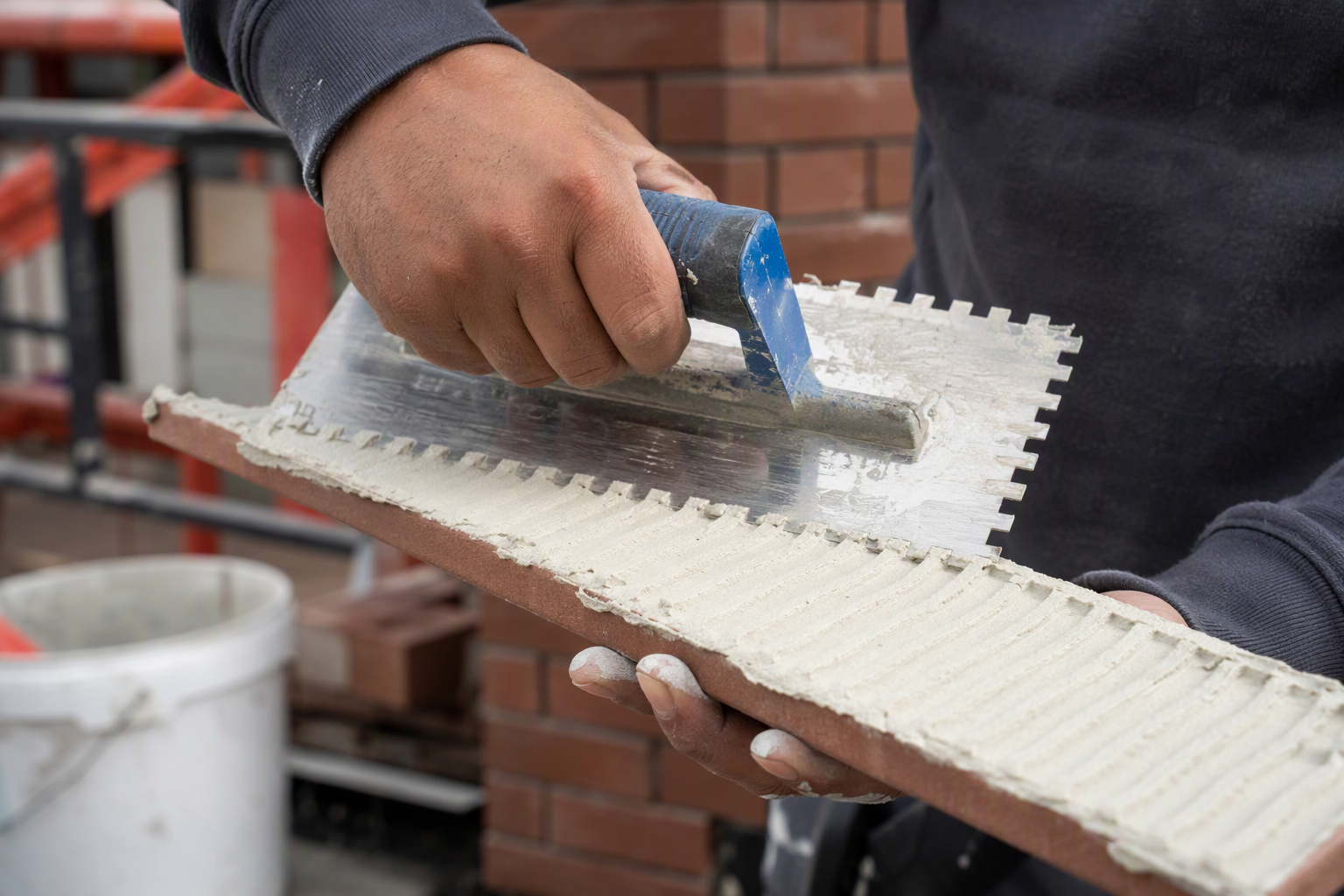
Even the right product can fall short if it is badly installed. Installation quality affects alignment, fixing strength, cavity behavior, and long-term durability. It also affects how well the cladding keeps acting as a stable outer shield through changing seasons. Good workmanship is part of heat performance, not a separate issue.
Wall orientation matters just as much. A west-facing facade in a hot city may need a different approach from a shaded north-facing wall. So when choosing cladding for better heat performance, you should review sun path, facade exposure, expected rain, and room use behind the wall.
At Articlad, we advise clients to treat product choice and site execution as one decision. That helps support lower energy use, better comfort, and minimal upkeep over the long term. A visually strong facade should also be a practical one.
Ventilated Facade Cladding for Enhanced Thermal Comfort
A ventilated facade can improve thermal comfort by creating airflow behind the cladding. That moving air helps release part of the heat that builds up on the outer face before it reaches the wall behind. In hot climates, this principle can support a more balanced indoor condition.
This is one reason cladding can improve thermal comfort inside buildings. Instead of allowing the main wall to sit under full solar load, the facade system creates a more controlled outer layer. In some cases, it can also contribute to sound insulation by adding separation between outside activity and interior space.
For architects and developers, ventilated facade thinking supports both energy efficiency and facade durability. It is not only about summer comfort. It is also about moisture behavior, wall protection, and long-term stability. As always, results depend on system design, site conditions, and careful installation.
Cladding Materials for Better Thermal Comfort
When people ask which exterior wall cladding materials are best for heat control, the answer depends on the project. There is no single universal pick. The right match comes from climate, wall build-up, visual goals, and installation method. Still, some materials are especially useful in hot-weather facades.
At Articlad, our focus is on cladding that combines thermal insulation support with design value. Brick, stone-look, concrete, and flexible cladding each bring something different. The following sections explain how these options can contribute to a more comfortable indoor environment in Indian conditions.
Concrete Cladding: Durable Heat Control
Concrete cladding is a strong option when you want a modern exterior with durability and dependable surface performance. It adds a robust outer layer that helps protect the wall from harsh sun, rain, and daily weather exposure. For many projects, that makes it a practical choice for heat control.
In Indian buildings, the best material for heat-insulating cladding depends on the whole system, but concrete cladding is often considered because it combines strength, weather resistance, and visual versatility. It also aligns well with contemporary architecture and textured exterior finishes.
Another reason specifiers consider it is fire resistance, which is valued in many building types. At Articlad, our concrete wall cladding is designed for exterior use while giving architects and homeowners a clean, solid look. Explore the concrete wall cladding range on articlad.com for suitable product options and finish ideas.
Brick Wall Cladding: Traditional Style, Modern Cooling
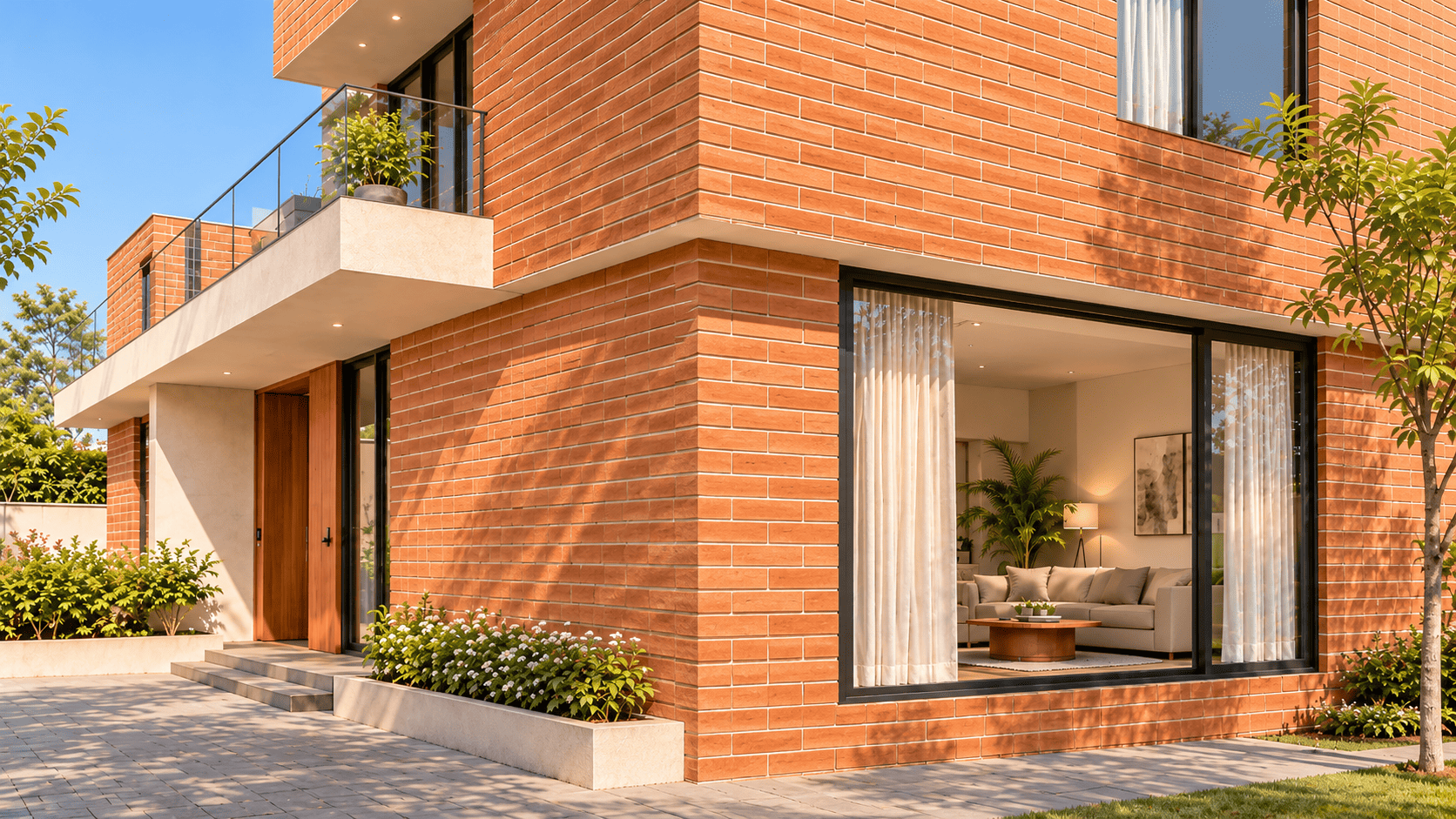
Brick cladding remains a popular choice because it brings familiar character without losing relevance in modern design. It suits villas, residences, boundary walls, and commercial facades that want warmth and texture. Beyond appearance, it also works as an added exterior layer that helps reduce direct heat exposure on the main wall.
Can it help lower cooling and heating loads in a home? Yes, it can contribute by supporting thermal insulation and reducing heat reaching the inner wall surface. The exact effect depends on wall construction, sun exposure, air gaps, and installation quality, so it should be judged as part of the full system.
From a manufacturer’s point of view, brick cladding offers a good balance of timeless appeal and practical facade performance. Articlad’s brick cladding collection is worth reviewing on articlad.com if you want a classic look with functional exterior protection.
Cultured Stone Cladding: Aesthetic and Heat Protection
Stone cladding is often chosen for its rich texture and strong visual presence. It can create feature walls, entrance highlights, and exterior surfaces with a premium feel. That aesthetic appeal matters, but so does performance. As an added protective layer, stone-look cladding helps reduce direct stress on the wall surface behind it.
Is natural stone cladding a good choice for reducing interior heat? It can be, because it acts as an outer layer between the sun and the structural wall. In practice, cultured stone can offer a similar design effect with exterior durability and easier application in many projects.
At Articlad, cultured stone cladding is designed to bring the look of natural stone with practical exterior use in mind. It is a smart fit for projects that want texture, depth, and weather-facing protection. You can review cultured stone options on articlad.com to compare finishes and facade styles.
Flexura Flexible Cladding: Innovative Heat Insulation
Flexible cladding gives designers more freedom on curved, detailed, or lightweight facade areas where rigid materials may be harder to apply. That is why products like Articlad’s Flexura flexible cladding stand out. They support a modern look while still functioning as an exterior skin that helps protect the wall underneath.
People often ask whether laminate-based exterior finishes are effective for heat insulation. In general, exterior cladding can support heat control when used as part of a well-designed wall system. The key is not the label alone. It is how the material, fixing method, ventilation, and wall construction work together.
From our side, Flexura is useful where design flexibility matters without giving up exterior performance. If your project calls for clean curves or special facade detailing, review Articlad’s Flexura flexible cladding on articlad.com and discuss the right application method with the team.
Practical Benefits of Articlad Cladding
Thermal comfort is not only a technical topic. It affects how your home feels in the afternoon, how productive your office stays, and how hard your cooling system has to work. That is why the practical side of cladding matters so much in daily life.
Articlad cladding is designed to combine function with finish. For projects seeking modern exterior wall cladding, the value is not just appearance. It is also about energy efficiency, weather-facing durability, and low maintenance over time. The next sections look at these benefits in real-use terms.
Lower Cooling Loads and Improved Indoor Environment
When less heat reaches the wall, indoor spaces can stay more stable through the day. That helps reduce pressure on air-conditioning systems, especially in rooms facing strong sun. In practical use, this can support lower cooling loads and a better indoor experience for occupants.
Can the right wall cladding reduce energy costs related to heating or cooling? It can contribute, yes. Better facade protection can improve energy efficiency and reduce unnecessary cooling demand. Still, actual savings depend on wall build-up, glazing, ventilation, shading, orientation, and installation quality.
What matters most is the overall outcome: a more comfortable indoor environment with less dependence on constant cooling. For homeowners, that means spaces that feel easier to live in. For builders and developers, it means a facade decision that supports both design value and everyday performance.
Enhanced Comfort for Living and Working Spaces
Comfort shows up in small moments. A living room that does not feel overheated by late afternoon. A bedroom that stays calmer after sunset. A workspace that feels less stuffy during peak summer hours. These are the practical reasons wall cladding matters beyond exterior style.
Wall cladding improves thermal comfort inside buildings by reducing direct heat impact on the wall and helping the building envelope respond more steadily. That does not replace good ventilation or other design measures, but it does support better indoor conditions when the facade is under strong sun.
You may notice the benefit in spaces such as:
- Living room areas with long hours of western sun
- Offices with modern interiors and broad exposed facades
- Commercial settings where occupant comfort affects daily performance
Reducing Energy Costs Through Effective Exterior Cladding
Exterior cladding can play a useful role in reducing heat gain, and that can influence energy use over time. When indoor spaces stay more stable, cooling equipment may run with less strain. This is why facade design is closely linked with long-term operating comfort.
Can the right wall cladding reduce energy costs? Yes, it can help, but responsible guidance matters here. We do not suggest fixed numbers because actual results vary from one project to another. Wall type, site exposure, ventilation, room layout, and installation all affect performance and utility bills.
What we can say with confidence is this: effective exterior cladding supports energy efficiency by helping manage heat transfer at the wall level. For Indian homes and buildings, that can mean a smarter facade and a better balance between appearance, function, and ongoing energy costs.
Tips for Selecting Cladding for Indian Climate Zones
India does not have one single facade condition. Heat, humidity, coastal air, monsoon rain, and dust all place different demands on exterior surfaces. So when comparing types of cladding, climate zones should be part of the first conversation, not the last one.
You should also match the product to expected maintenance needs. A good-looking facade is valuable, but long-term performance matters more. The next two sections offer practical tips for selecting cladding that works well across hot, humid, coastal, and rain-prone environments.
Choosing Cladding for Hot, Humid, Coastal, and Monsoon Regions
Climate-led selection is essential in India. A facade in dry inland heat will not face the same stress as one near the coast or in heavy monsoon rainfall. So if you want better heat performance, start by checking how the cladding handles local weather conditions, not just how it looks in a catalog.
You should look for weather resistance, dependable installation, and details that help control water ingress. In humid regions, airflow and moisture behavior matter. In coastal areas, long-term surface durability becomes even more important. Maintenance requirements should also be realistic for the project type.
As a simple checklist, consider:
- Hot regions: prioritize sun-facing performance and lighter exterior choices
- Humid regions: favor systems that manage moisture well
- Coastal regions: choose durable cladding with strong weather resistance
- Monsoon zones: pay extra attention to joints, fixing, and water ingress control
Important Considerations for Wall Cladding Selection
Choosing cladding for better heat performance means looking at the full project, not just the finish. You need to consider wall orientation, local climate, installation quality, and whether the design allows an air gap or ventilated detailing. These choices affect both comfort and long-term facade behavior.
The product should also fit the building’s character. A modern villa, apartment facade, retail frontage, and institutional block may all need different answers. Design flexibility matters because the right solution must work visually as well as technically. It should also match your maintenance needs over the long run.
Before you finalize, review:
- Material suitability for climate, exposure, and energy efficiency goals
- Installation method, site workmanship, and expected maintenance needs
- Visual fit with the building’s character and design flexibility requirements
Conclusion
In conclusion, understanding how cladding affects indoor heat is essential for creating a comfortable living environment in India’s varied climates. By acting as a barrier against heat, Articlad’s range of cladding materials whether it’s concrete, brick, cultured stone, or Flexura flexible cladding significantly enhances thermal comfort while reducing reliance on cooling systems. Choosing the right type and installation quality of cladding can lead to a more pleasant atmosphere indoors, making your spaces not only cooler but also more inviting. If you’re ready to explore how Articlad can help you achieve optimal indoor temperatures, don’t hesitate to contact us for samples and guidance tailored to your needs.
Frequently Asked Questions
Can the right wall cladding effectively reduce heat inside homes?
Yes, the right exterior wall cladding can help reduce heat transfer into the home by adding an outer protective layer. This supports thermal insulation and can improve energy efficiency. The final impact on indoor comfort and energy consumption depends on wall construction, orientation, ventilation, and installation quality.
What material is best for heat-insulating cladding in Indian buildings?
There is no single best answer across all Indian projects. Among common types of cladding, brick, stone-look, concrete, and flexible options can all support insulation cladding goals. The best choice depends on climate, facade design, installation, energy efficiency targets, modern architecture needs, and low maintenance expectations.
Does facade cladding help in lowering energy consumption for cooling?
It can. A well-designed facade cladding system, especially with a ventilated facade approach, may help reduce cooling loads by limiting direct heat gain at the wall. That can improve thermal efficiency and help manage energy bills, though results vary by wall type, exposure, and installation.