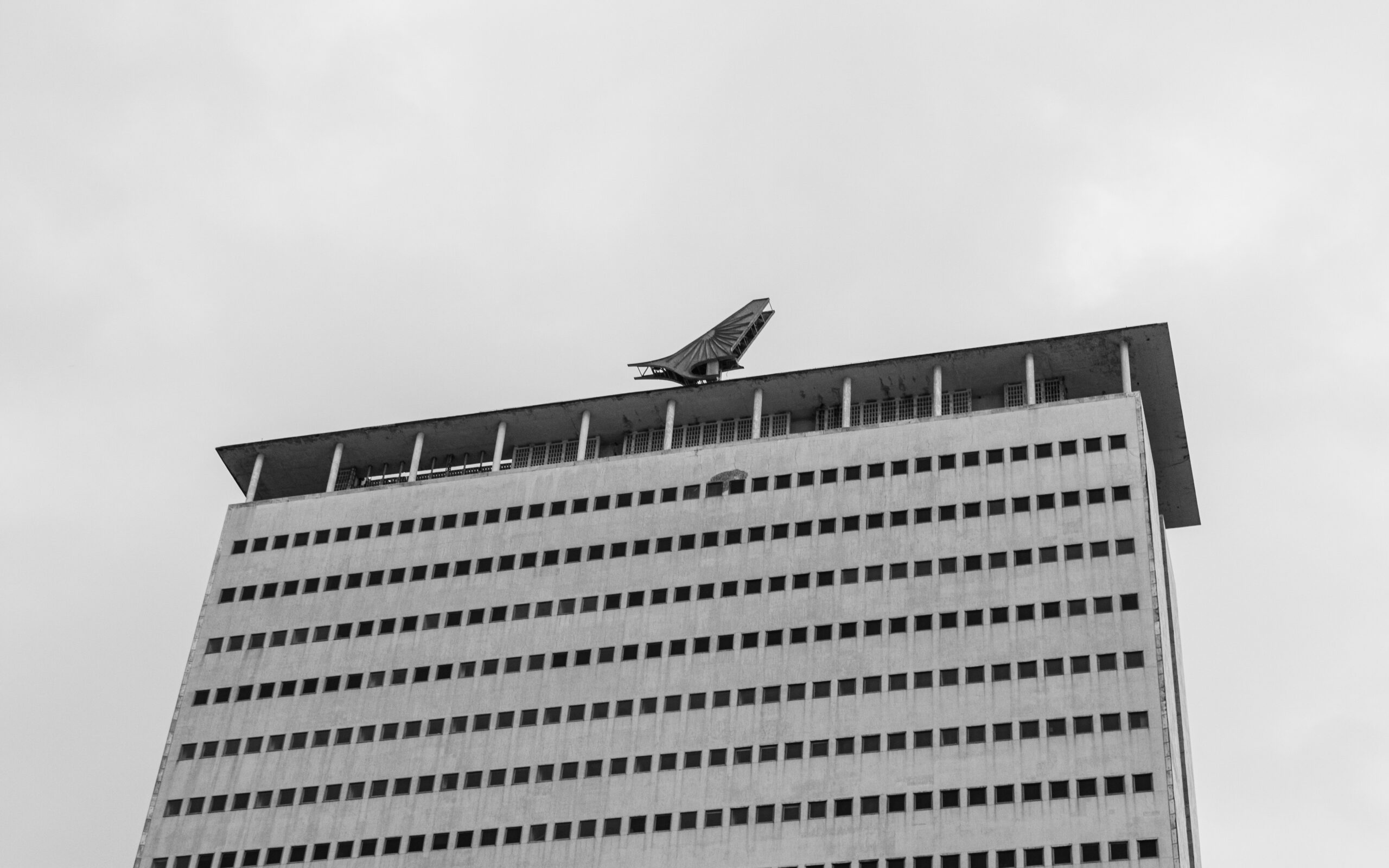
- The Air India Building stood for about 50+ years, but repeated upkeep made long-term maintenance a serious issue.
- In coastal Mumbai, weather resistance matters because humidity, wind, and salt wear down many building materials fast.
- Cladding adds a protective skin that can improve appearance, thermal insulation, and low maintenance performance.
- Options such as stone cladding, fibre cement, brick cladding, glass cladding, and curtain walls suit commercial buildings.
- The right type of cladding supports fire safety, high durability, easy installation, and energy efficiency in commercial projects.
- Safer wall panels with good fire resistance can reduce fire risk and future repair cycles.
Introduction
The Air India Building is an iconic structure that has contributed to the distinctive silhouette of Mumbai’s skyline for decades. Built during a period when reinforced concrete and traditional finishing techniques were standard, its endurance highlights both the robust construction methods of its era and the evolving challenges faced by high-rise buildings in coastal environments.
One significant challenge is the building’s proximity to the Arabian Sea. The marine environment exposes structures to high humidity, salt-laden air, and strong winds—all factors that can accelerate wear and tear on exterior surfaces. Traditional maintenance routines for such buildings often involve regular whitewashing and facade repairs to combat staining, cracks, and surface degradation. While effective in the short term, these approaches require frequent repetition, leading to mounting maintenance costs over time.
Modern exterior systems offer a forward-thinking solution to these issues. Stone cladding, for example, not only enhances aesthetics but also acts as a resilient barrier against moisture ingress and salt corrosion. High-performance coatings—including weather-resistant paints and sealants—further shield building exteriors from environmental damage while reducing the frequency of upkeep required.
By investing in advanced exterior protection systems, commercial buildings like the Air India Building can achieve greater sustainability and cost efficiency. These upgrades minimize long-term maintenance expenditures while preserving architectural integrity and visual appeal. As urban landscapes continue to evolve, adopting modern facade solutions ensures that legacy towers remain both functional and iconic for generations to come.
The Story of the Air India Building in Mumbai
The Air India Building, standing prominently along Mumbai’s waterfront, has long been a symbol of the city’s architectural and commercial landscape. Its distinctive design not only marks the skyline but also serves as a reminder of how thoughtful architecture can influence collective memory and shape the reputation of businesses housed within such landmark structures. The building’s presence is woven into the fabric of Mumbai, reflecting the importance of iconic real estate in defining urban identity.
Over time, however, environmental conditions—especially those unique to coastal locations—begin to impact buildings like the Air India Building. Exposure to salt-laden air, humidity, and monsoon rains accelerates wear and tear on exteriors. Facades may fade or deteriorate, necessitating ongoing maintenance to preserve both structural integrity and aesthetic appeal. As these challenges grow with age, it becomes critical for property managers and owners to proactively address issues through regular inspections, upgrades in materials, and innovative renovation techniques.
This evolution offers valuable lessons for other commercial projects situated near marine environments. It highlights the need for resilient facade systems that can withstand harsh weather while maintaining their visual allure. Incorporating sustainable solutions—such as energy-efficient glazing, corrosion-resistant coatings, or even vertical greenery—can extend a building’s lifespan and reduce operational costs.
Moreover, the story of the Air India Building underscores how maintaining landmark structures goes beyond pure aesthetics; it influences public perception and business viability. Well-maintained iconic buildings can attract tenants seeking prestige and visibility while signaling reliability to investors and visitors alike.
In summary, the journey of the Air India Building is not just about preserving an architectural legacy—it’s about adapting to changing needs through smart upkeep strategies and forward-thinking design improvements. This approach ensures that such landmarks continue to serve as functional assets and cultural touchstones for generations to come.
Construction Timeline and Architectural Significance
The Air India Building is often discussed as a structure that stood for about 50+ years, which already says a lot about its place in Mumbai. Buildings that remain visible for so long gain value beyond function. They become landmarks tied to business history and city identity.
From a construction point of view, cladding is a layer placed over another surface. It is used to improve weather resistance, provide a degree of thermal insulation, and improve the appearance of buildings. That matters because exterior surfaces face constant stress, and the choice of building materials affects how well the facade performs over time.
For older towers, that opens an important design question. Should a plain outer surface keep needing refresh work, or should a better type of cladding be used? Systems made from stone cladding, brick, or composite options with blends of cement can also help manage natural light, protection, and exterior life.
Role as an Icon of Mumbai’s Coastal Skyline
Few structures gain the visual status that the Air India Building did along Mumbai’s coast. Its height, location, and long presence gave it architectural significance that extended beyond office use. For many people, it became part of the city’s familiar edge facing the sea.
But beyond its iconic appearance, the Air India Building has played a key role in Mumbai’s commercial growth. As the headquarters of Air India and home to several other offices over the decades, it has been a central hub for business operations and corporate activity. The building’s spaces have supported countless professionals and enterprises, making it a vital part of Mumbai’s economic landscape.
That is why the building’s office infrastructure matters. When a commercial building offers flexible, well-designed workspaces, it not only attracts prominent organizations but also encourages innovation and collaboration. In that sense, the Air India Building has added value to Mumbai by serving as a foundation for business development and contributing to the city’s reputation as a thriving commercial center.
Unique Challenges of Maintaining Coastal Buildings
Coastal environments present unique challenges for building exteriors due to their relentless exposure to high humidity, frequent rainfall, salty air, and strong winds. These elements accelerate the deterioration of traditional exterior finishes, often leading to issues such as paint peeling, wood rot, corrosion of metal components, and the growth of mold and mildew. As a result, maintaining buildings in these regions can quickly become an ongoing and expensive cycle if only surface treatments are used.
Cladding systems offer a practical solution for such demanding settings. By providing a protective outer layer, cladding acts as a barrier against moisture infiltration and wind-driven rain, which are common culprits behind structural damage in coastal areas. Materials like brick, cultured stone and flexible cladding are frequently selected for their resilience to rust, decay, and UV degradation.
Beyond weather resistance and durability, modern cladding systems allow for integration of fire-resistant materials—a particularly important consideration for mid- and high-rise structures where fire safety standards are stringent. Many advanced cladding options come with certifications that ensure compliance with local fire codes while not compromising on aesthetic appeal.
The main pressures faced by façades in coastal zones typically include:
- Salt-laden Air: Salts can accelerate corrosion in metals and cause efflorescence on masonry surfaces.
- High Humidity: Persistent moisture encourages mold growth and material expansion or warping.
- Strong Winds: Wind-driven debris can impact surfaces directly; wind pressure also tests the strength of attachment systems.
- Intense Sunlight: UV radiation breaks down paint films and certain plastics over time.
- Heavy Rainfall: Water ingress through poorly protected joints can lead to leaks and internal damage.
By investing in the right cladding system from the outset—one that is engineered specifically for coastal climates—property owners can reduce maintenance cycles and costs significantly while ensuring long-term protection of both structure and occupants. The following sections will delve into each environmental factor in greater detail and discuss how innovative façade solutions address these persistent challenges in coastal construction.
Effects of Humidity and Weather on Facades in Mumbai
Mumbai’s marine climate places steady stress on facades. Moisture and wind can wear finishes, especially when the outer surface acts as the first line of defense. If the exterior is not designed for weather resistance, upkeep becomes more frequent and more expensive.
Cladding helps because it acts as a protective skin. In construction, it is used to direct water and wind away from the structure, helping control runoff and limiting infiltration into the wall behind it. That is why the choice of building materials matters so much in humid cities.
Key effects on facades include:
- Frequent damp exposure that weakens surface finishes.
- Wind-driven rain that can enter weak points in the exterior.
- Greater pressure on plain surfaces than on stone cladding or glass cladding systems designed for protection.
- Added concern about fire risk if the wrong outer material or core material is selected.
Statistics on Annual Maintenance and Costs Incurred for the Air India Building
Over the life of a commercial building, façade maintenance often exceeds the initial cost of painting. In coastal environments such as Mumbai, exterior walls typically require repainting every 5–7 years, along with crack repairs, waterproofing, scaffolding, and periodic cleaning to combat UV exposure, moisture, and pollution.
Over a 50-year building life, these recurring maintenance cycles can amount to ₹200–300 crore for a large high-rise when labour, access systems, materials, and associated repairs are considered. By contrast, a high-performance engineered cladding system with a design life of 25 years or more can virtually eliminate repainting cycles and significantly reduce waterproofing and façade repair requirements.
Depending on the material and maintenance regime, lifecycle façade maintenance costs can be reduced by 50–70%, resulting in potential savings of ₹100–200 crore over 50 years for a landmark commercial building. Beyond the financial savings, cladding also reduces operational disruption, improves weather resistance, and maintains a consistent exterior appearance without the repeated expense of repainting.
Exploring Cladding Solutions for Mumbai’s Climate
In Mumbai’s climate, which is characterized by high humidity, heavy rainfall during monsoon seasons, and elevated temperatures throughout the year, exterior systems must be carefully chosen to ensure durability, safety, and minimal maintenance. Cladding is a practical solution for such environments because it acts as a protective layer against moisture infiltration, reduces the frequency of repairs required due to weathering, and enhances both the safety and aesthetic appeal of buildings.
Among the various cladding materials available—stone, brickwork, flexible cladding—each brings its own set of advantages and challenges:
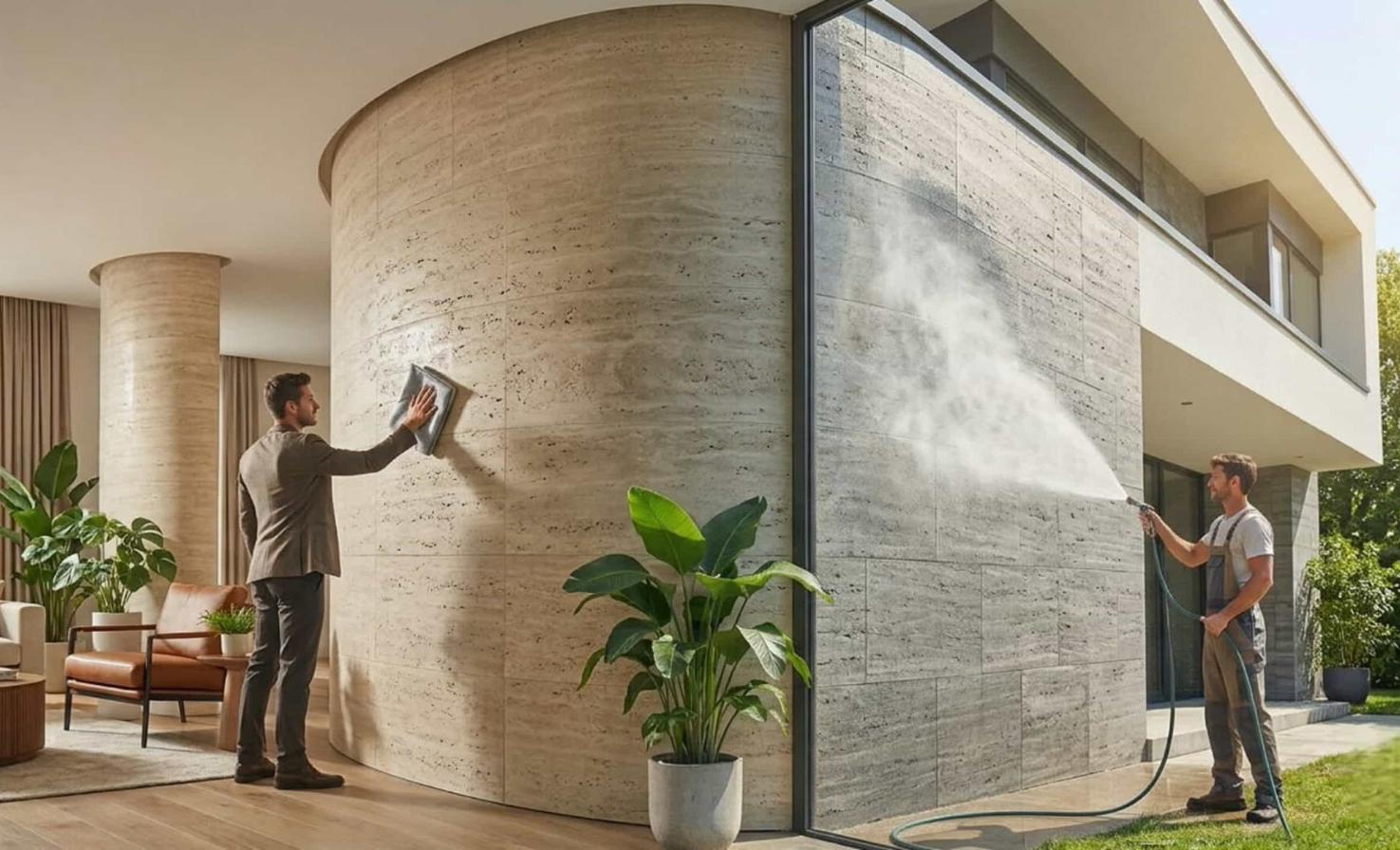
Stone Cladding: Stone is renowned for its durability and resistance to weather extremes. It provides excellent thermal insulation and fire resistance. However, natural stone can be costly and may require strong structural support due to its weight. In Mumbai’s humid conditions, stone performs well but needs proper sealing to prevent water seepage. Articlad’s cultured stone comes at one-third weight and the same adaptability.
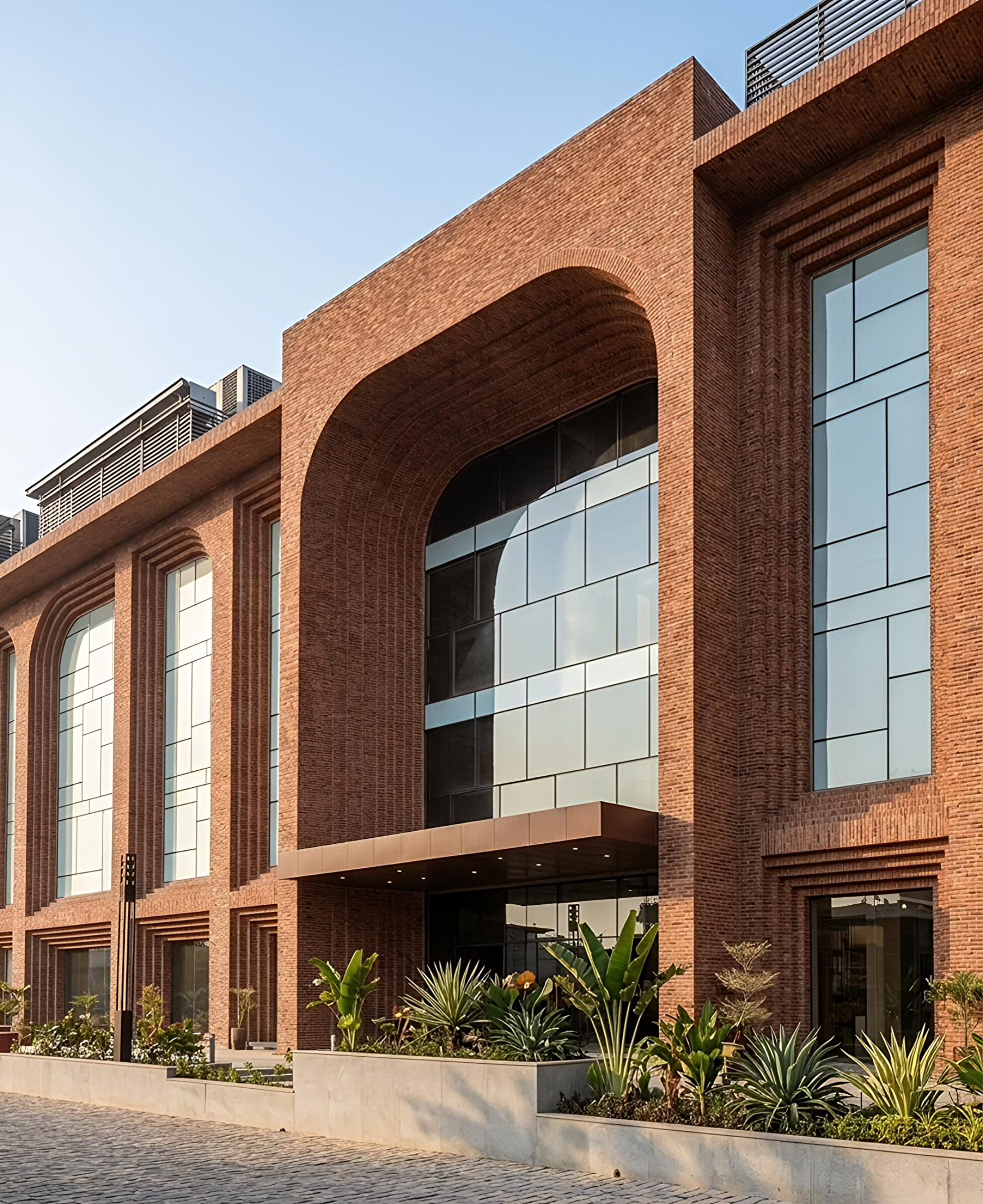
Brick Cladding: Brick is a classic choice with proven performance in humid climates. It absorbs some moisture but typically dries out without sustaining damage if ventilation is adequate. Bricks also offer moderate insulation properties and are naturally fire-resistant. Maintenance mainly involves adequate seepage to avoid debonding.
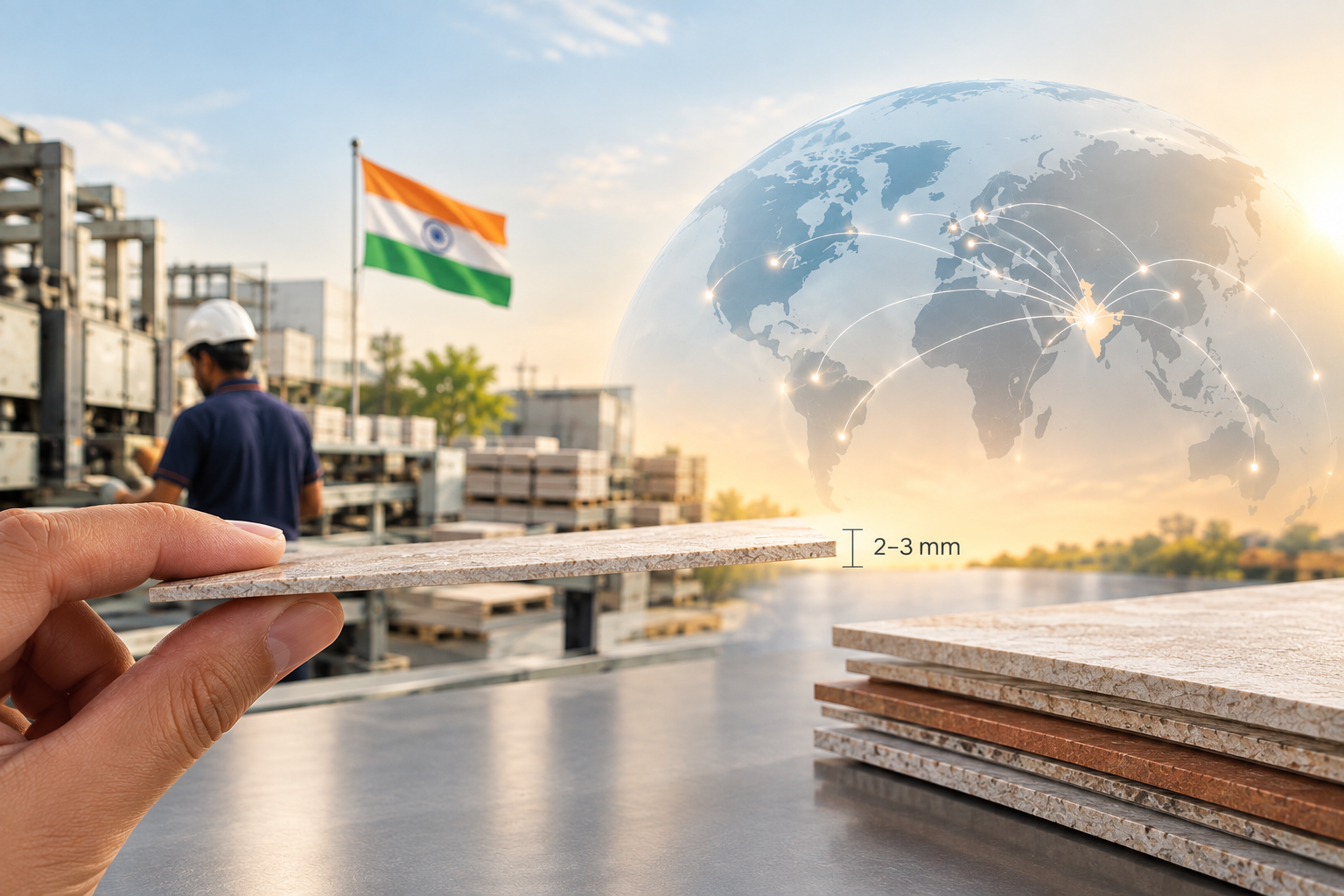
Flexible Cladding: Flexible cladding solutions, offer adaptability to the building’s shape and movement. They are lightweight, which reduces the need for heavy structural support, and can be designed to withstand the elements effectively. Flexible cladding is also resistant to moisture and can provide a variety of aesthetic options, making it suitable for the diverse architectural styles found in Mumbai.
When choosing cladding material for Mumbai’s climate:
- Moisture Resistance: Flexible cladding, and properly sealed composites excel.
- Fire Safety: Stone, brick, and fiber cement provide superior protection.
- Maintenance Needs: Fiber cement, flexible cladding, and (with proper coatings) require less frequent attention.
- Visual Quality: All
How Cladding Enhances Weather Resistance and Long-Term Safety
Cladding improves exterior walls by giving them a protective outer layer. In practice, that means better weather resistance, controlled runoff, and less chance of moisture moving into the wall assembly. It can also provide a degree of thermal insulation and improve the building’s finished look.
There is another side you cannot ignore: fire safety. In an event of a fire, the cavity between cladding and wall can draw hot air upward and spread flames toward the top of the clad area. Because of that, the choice of core material and outer surface is critical. Some building materials offer high fire resistance, while others increase fire risk.
So what should you look for? Systems with easy installation and durable performance are useful, but safety must lead. Brick, cultured stone, and some blends of clay-cement offer stronger protection than combustible cores. Long-term value comes from weather control and safer material selection together.
Conclusion
Over the past five decades, the Air India Building has become an iconic feature of Mumbai’s skyline, symbolizing both the city’s rich architectural legacy and its resilience against coastal weather challenges. However, maintaining such a landmark in a humid, salt-laden environment presents unique difficulties. The relentless exposure to moisture and saline air accelerates wear and tear, resulting in frequent cycles of whitewashing, repairs, and structural upkeep. These maintenance routines not only incur substantial costs but also disrupt building operations.
Traditional maintenance methods often fall short in providing long-term protection against environmental stresses. As a result, property owners have begun exploring innovative solutions—such as advanced cladding systems—to address these persistent issues. Cladding involves applying protective layers made from durable materials like aluminum composite panels, fiber cement boards, or specialized weather-resistant coatings. These modern materials are engineered to withstand humidity, corrosion, and UV exposure far more effectively than conventional finishes.
By integrating cladding into the building envelope, owners can significantly minimize the impact of Mumbai’s coastal climate. Benefits include improved insulation, reduced moisture ingress, enhanced safety against structural deterioration, and lower maintenance frequency. Moreover, cladding can refresh the aesthetic appeal of heritage structures without compromising their historical value.
Long-term investment in high-performance cladding not only preserves the building for future generations but also ensures financial sustainability by reducing ongoing repair costs. It is a proactive measure that extends the lifespan of valuable assets while supporting safety standards for occupants.
If you’re considering upgrades to your property or want to learn how cladding solutions can protect your investment against environmental challenges, don’t hesitate to reach out for a personalized consultation. Our experts can guide you through material selection and installation processes tailored to Mumbai’s unique climate conditions—helping you safeguard your structure for years to come.
Frequently Asked Questions
Why is cladding considered a long-term investment for building maintenance?
Cladding is a long-term investment because it protects the exterior while reducing repeated surface work. Options such as stone cladding are chosen for low maintenance, high durability, and minimal maintenance needs over time. For commercial projects, that can mean fewer repair cycles and better lifecycle value.
Can cladding increase the value of commercial properties in coastal regions?
Yes, it can help. Cladding can improve the appearance of buildings, strengthen weather resistance, and support energy efficiency through added thermal performance. For commercial properties and commercial buildings in coastal regions, those benefits can improve market appeal as well as long-term operating confidence.
What regular upkeep do cladding systems require in a city like Mumbai?
In a city like Mumbai, cladding usually needs periodic inspection, cleaning, and targeted repair rather than repeated full-surface renewal. That is why it is seen as low maintenance. The exact maintenance level depends on the building materials, weather resistance, and whether the system meets strong safety expectations, not just partial or full style checks.