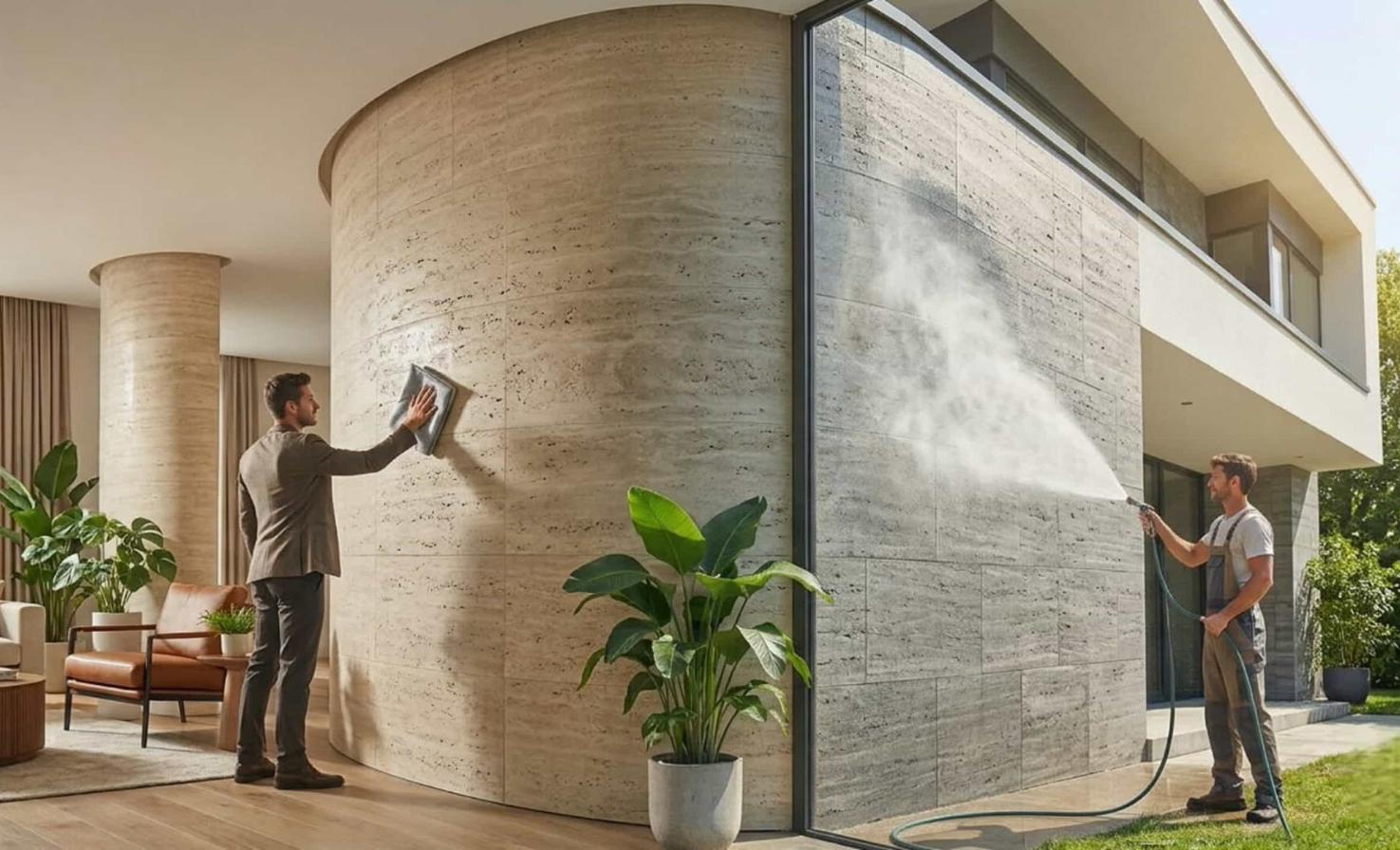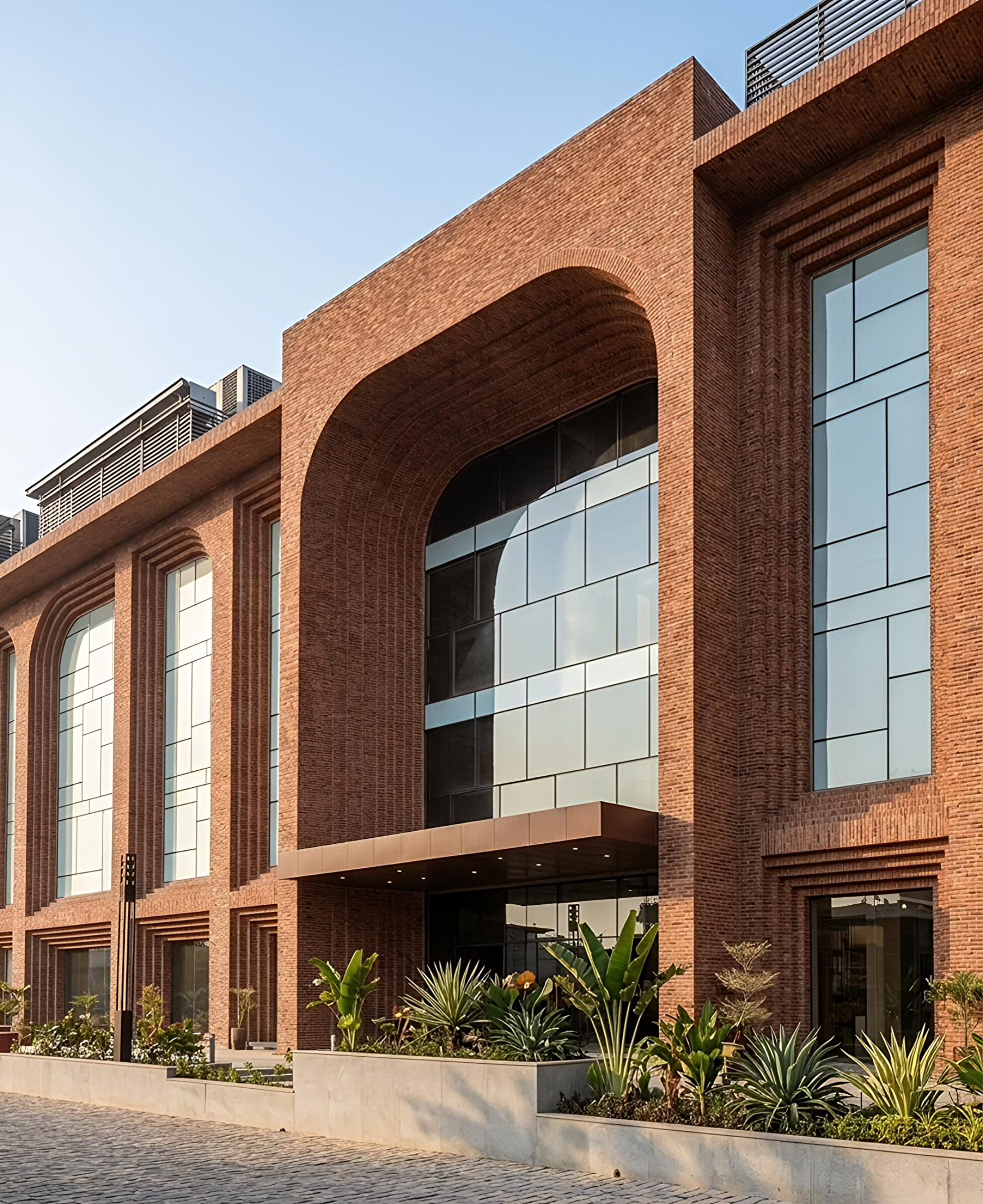
Key Highlights
- Architectural cladding adds protection, visual appeal, and better performance to exterior walls.
- Common cladding systems include wood, brick, metal cladding, vinyl, glass, composite materials, and natural stone.
- The right material depends on weather conditions, design goals, fire resistance, and budget.
- Many modern options support energy efficiency through improved thermal insulation.
- Some materials offer low maintenance and minimal upkeep, while others need regular care.
- Good cladding improves weather resistance and gives buildings lasting aesthetic appeal.
Introduction
Architectural cladding is one of the most important parts of a building’s outer surface. It does more than change how a structure looks. It helps protect walls from rain, wind, sunlight, and temperature shifts while also shaping the building’s character. Today, building materials for cladding are chosen with function and appearance in mind. You also need to think about energy efficiency, durability, and maintenance. That is why understanding cladding matters in both basic construction and modern design.
Overview of Architectural Cladding in Building Construction
At its core, architectural cladding is the application of one material over another to create a protective outer layer. This exterior cladding helps defend a building against changing weather conditions while also improving its finish and style. A well-chosen cladding material can support durability, comfort, and appearance at the same time.
The main types of materials used for architectural cladding include wood, stone cladding, brick cladding, metal cladding, vinyl, glass, and composite materials. Each option brings different strengths in fire resistance, upkeep, cost, and visual appeal. The next sections explain these basics in more detail.
Definition and Purpose of Cladding
Architectural cladding is a layer placed over a building’s main structure. In simple terms, it forms a protective skin on the outside of walls. These cladding systems are used in homes, schools, offices, and commercial projects because they help buildings perform better and look more finished.
Its first job is protection. Cladding improves weather resistance by shielding the structure from rain, wind, sunlight, and temperature changes. That barrier can reduce wear on the building envelope and help preserve structural integrity over time. Some systems also add thermal and sound insulation, which supports indoor comfort.
Cladding also has a design role. It can change the texture, color, and character of a facade without changing the whole structure. The main types of materials used for architectural cladding include wood, brick, stone, metal, vinyl, glass, and composite materials, each suited to different needs.
Historical Evolution of Cladding Materials
In the earliest buildings, cladding was mostly practical. Builders used natural materials that were easy to find nearby. Timber was common in forested areas, stone cladding appeared in rocky regions, and clay-rich places often relied on brick cladding. At that stage, the main aim was basic shelter from the elements.
Then came the Industrial Revolution, and building methods changed fast. New manufacturing tools introduced iron and steel, which expanded the use of metal cladding and opened fresh design possibilities. Buildings no longer had to depend only on heavy traditional finishes.
By the 20th century, synthetic and mixed products entered the market. Plastics, fiberglass, and composite materials widened the range of cladding options. Today, the field keeps changing with a strong focus on energy efficiency, recyclability, and better performance, while the main categories still include wood, brick, stone, metal, vinyl, glass, and composites.
Main Types of Architectural Cladding Materials
You have many cladding options when planning exterior cladding. Traditional choices include timber cladding, brick, stone, and metal. Modern systems also use vinyl, glass, composite cladding, and fiber cement. Each one works differently based on the project, climate, and desired appearance.
So, what are the main types of materials used for architectural cladding? The common groups are natural materials such as wood and stone, masonry products like brick, manufactured sheets like fiber cement, metals such as aluminum or steel, and engineered panels made from composite materials. Let’s break them into natural and engineered categories.
Natural Options – Stone, Wood, Brick
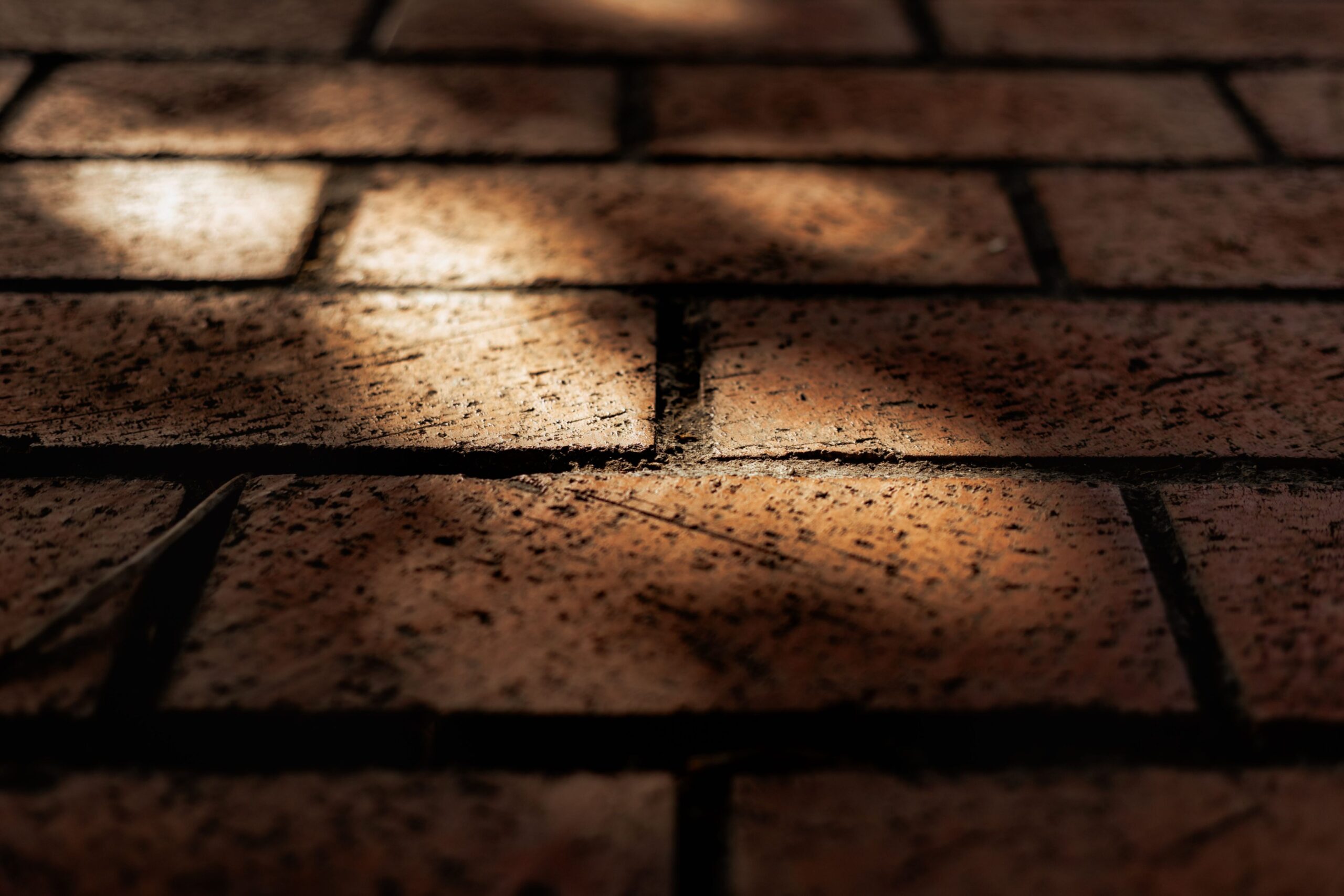
Natural cladding choices remain popular because they bring texture, warmth, and lasting character. Natural stone is known for strength and timeless style. Timber cladding gives a softer, warmer finish. Brick cladding offers a traditional look that fits many building types. These materials are often selected for their familiar appearance and solid performance.
Still, each one behaves differently. Stone offers strong weather resistance and thermal mass. Brick is durable, fire-resistant, and often low maintenance. Timber can look beautiful, but it usually needs more care to prevent moisture damage and decay over time.
- Natural stone provides durability, strong weather resistance, and high-end aesthetic appeal.
- Brick cladding is a popular choice for longevity, classic style, and minimal upkeep.
- Timber cladding adds warmth and natural insulation but needs regular maintenance.
- These main cladding materials suit different budgets, climates, and design goals.
Engineered Alternatives – Fiber Cement, Vinyl, Composite Panels
Engineered cladding products are designed to improve performance, simplify installation, or reduce upkeep. Fiber cement, vinyl cladding, and composite materials are some of the most common examples. These options are widely used because they can mimic wood or stone while offering different practical benefits.
For many projects, fiber cement stands out because it is durable, fire-resistant, and stable in changing conditions. Vinyl cladding is lightweight, affordable, and easy to maintain. Composite panels combine materials to create a balance of looks, strength, and insulation performance.
- Fiber cement is valued for fire resistance, durability, and low maintenance.
- Vinyl cladding is budget-friendly, lightweight, and simple to install.
- Composite materials can imitate natural finishes while improving performance.
- These alternatives are often chosen when low maintenance is a top priority
Choosing the Right Cladding for Indian Buildings
Choosing the right cladding for Indian buildings takes more than picking a surface that looks good. Careful material selection should consider local weather conditions, building form, budget, and maintenance needs. A material that performs well in one region may not suit another.
Architects should also think about fire resistance, moisture exposure, structural load, and energy efficiency. Design goals matter, but long-term function matters just as much. In India, where climates vary widely, the right cladding should respond to heat, rain, wind, and coastal exposure. The next sections focus on climate and cost trade-offs.
Climatic Considerations for Material Selection
Climate should guide every cladding decision. Buildings in dry regions face heat and sunlight, while wet zones need strong moisture control. In coastal areas, salt, humidity, and strong winds create added pressure on exterior surfaces. That means architects must compare durability, maintenance, and cost before making a choice.
For a coastal environment, some materials perform better than others. Composite cladding, fiber cement, vinyl, articlad cladding, and certain treated metal systems are often better suited to harsh weather conditions than untreated timber. Wood may still be used, but it needs protective treatment and more upkeep.
| Climate condition | Suitable cladding direction |
|---|---|
| High rainfall | Articlad flexible or brick cladding, metal, or other water-resistant systems |
| Hot sunny regions | Materials with good insulation, reflective performance, or articlad cladding |
| Coastal areas | Composite, fiber cement, vinyl, articlad stone, brick, flexible cladding, or corrosion-resistant metal |
| Strong winds | Securely installed durable panels such as articlad cladding with proven fixing systems |
Balancing Durability, Maintenance, and Cost
Every cladding choice involves trade-offs. Some materials cost more at the start but save money later because they last longer or need less care. Others look affordable at first yet bring higher maintenance requirements over time. You need to balance performance with budget constraints from the start.
For coastal areas, the best balance often comes from materials that resist moisture and salt while staying practical to maintain. Composite cladding, fiber cement, vinyl, and corrosion-resistant metal are often a popular choice because they combine durability with low maintenance. Treated timber can work too, but it needs more attention.
- Fiber cement offers durability, fire resistance, and relatively minimal maintenance.
- Vinyl is often lower in cost and easy to clean, though long-term wear can vary.
- Composite cladding gives low maintenance performance and good moisture resistance.
- Treated metal can last well, but corrosion control must be considered carefully.
Benefits of Architectural Cladding in Modern Design
Architectural cladding offers more than surface style. It improves weather resistance, helps protect the building envelope, and can support comfort inside the structure. On modern buildings, it is often used to combine performance with a clear design statement.
The benefits of using architectural cladding on modern buildings include better energy efficiency, added thermal insulation, stronger protection from external exposure, and improved visual appeal. It also gives architects more freedom with texture, form, and finish. The next two sections look at appearance and performance in a more practical way.
Enhancing Aesthetics and Facade Character
A building’s outer skin strongly shapes first impressions. Facade cladding improves appearance by adding color, depth, texture, and pattern to plain walls. It can make a structure feel modern, traditional, bold, or subtle depending on the chosen material and finish. That is how cladding builds facade character.
Different products create different effects. Stone cladding can give weight and permanence. Composite cladding can create clean lines and contemporary surfaces. Timber adds warmth, while metal or glass can produce a sharper modern identity. The cladding becomes part of the architectural language.
- Cladding boosts visual appeal by changing texture, color, and surface rhythm.
- It strengthens facade character without altering the main structure.
- Stone cladding creates a timeless, solid appearance.
- Composite cladding supports clean lines and flexible modern design.
Improving Energy Efficiency and Insulation
Yes, there are clear energy efficiency and insulation advantages to using architectural cladding. A properly designed system can reduce heat transfer between the outside and inside of a building. That helps maintain more stable indoor temperatures and can lower the demand for heating or cooling.
Some materials do this through mass, while others use built-in insulating layers. Brick and stone can absorb and release heat slowly. Composite systems may include added insulation features. In both cases, the goal is better thermal insulation and more comfortable rooms.
- Good insulation helps keep indoor temperatures steadier through the year.
- Better thermal insulation can reduce energy consumption for cooling and heating.
- Some cladding systems also improve acoustic comfort by reducing outside noise.
- Energy efficiency gains depend on both material choice and proper installation.
Cladding Installation Methods and Systems
Cladding does not perform well without proper installation. The installation process affects weather protection, insulation, and long-term durability. Different cladding systems use different fixing methods, and each one must suit the wall type, material weight, and exposure level.
In simple terms, architectural cladding systems are installed on walls through support frames, fixings, or panel connections that hold the outer skin in place. On a job site, accuracy matters at every stage. Two common approaches are curtain wall systems and rainscreen or ventilated facade systems, which we’ll cover next.
Conclusion
In summary, architectural cladding plays a vital role in modern building construction, offering both aesthetic appeal and practical benefits. Understanding the various types of cladding materials, their historical evolution, and how to choose the right option for specific climates can significantly enhance a building’s design and energy efficiency. By prioritizing durability and ease of maintenance, architects and builders can create structures that not only stand the test of time but also contribute positively to their environment. We’d love to hear your thoughts! Comment below with any questions or insights you have about architectural cladding.
Frequently Asked Questions
Which architectural cladding material is best for coastal environments in India?
For coastal areas, the right material is usually one that handles salt, moisture, and wind well. Fiber cement, composite cladding, vinyl, and corrosion-resistant metal often suit coastal homes and coastal regions because they offer stronger weather resistance with less upkeep than untreated timber.
How does facade cladding improve both function and appearance?
Facade cladding improves visual appeal by adding texture, color, and stronger facade character. At the same time, it protects the building shell, supports structural integrity, and can improve energy efficiency by reducing heat transfer and helping maintain a more stable indoor environment.
What ongoing maintenance is required for common cladding panels?
Maintenance requirements depend on the material. Many cladding panels, such as vinyl, metal, and some composite products, need only cleaning and basic checks, which means minimal upkeep. Timber usually needs more regular care, so long-term maintenance should be weighed against budget constraints.
What are the different types of architectural cladding materials available for construction?
Common cladding material choices include wood, brick, stone cladding, metal, glass, vinyl siding, fiber cement, and composite materials. Each one offers a different balance of cost, appearance, durability, insulation value, and maintenance, so the best option depends on the project and local conditions.
How does architectural cladding contribute to a building’s energy efficiency?
Architectural cladding can improve energy efficiency by adding thermal insulation and reducing heat transfer through walls. That helps maintain indoor temperatures more effectively. With good insulation, buildings may need less heating and cooling, which can lower energy consumption over time.
What role does architectural cladding play in protecting buildings from environmental elements?
Cladding forms a protective outer layer that improves weather resistance against rain, wind, sunlight, and other environmental conditions. It can reduce the risk of water damage, limit the effect of uv rays, and in some systems, improve fire resistance for better overall protection.
Can architectural cladding be used for both aesthetic and functional purposes in construction?
Yes, architectural cladding serves both aesthetic appeal and functional purposes. It shapes how a building looks while also helping protect the structure, support structural integrity, and improve natural insulation. Smart material choices can also reduce long-term environmental impact through better performance and durability.