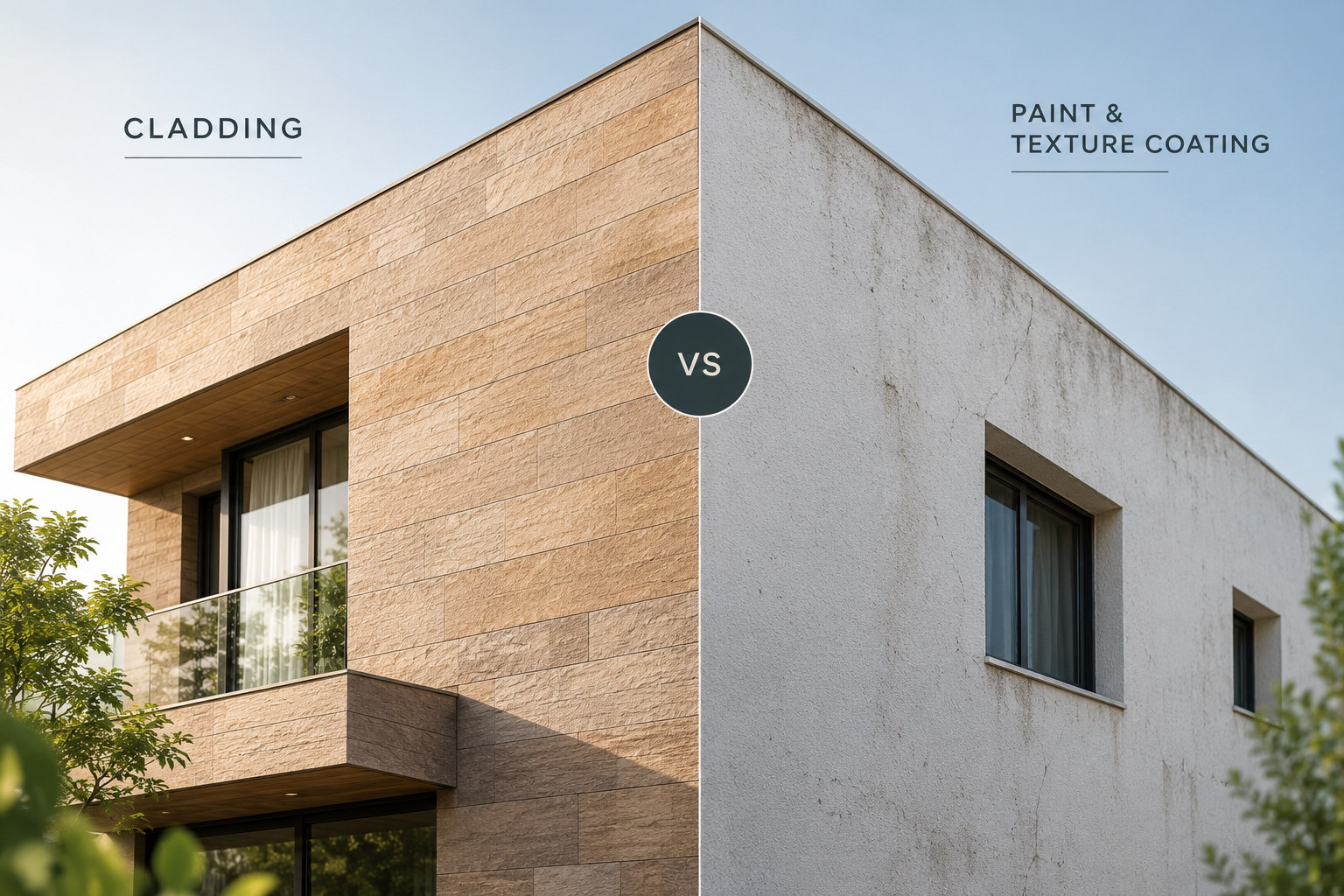
Material selection may seem done after you approve a sample. But, in truth, this is just the start. When it comes to wall cladding, especially in modern design, what you see in the test room often does not match how things turn out on the building. Light, wind, rain, movement, and even the strength of what you put the cladding on can all make a difference in the result. If you want things to go well, you should look at more than just colour and how it feels to touch. The five mistakes below can help you make better and safer choices right from the start.
Understanding Material Selection for Facades and Wall Cladding
When choosing cladding materials for feature walls, exterior walls, or interior wall cladding, you should start with one basic question. What is the wall cladding going to do over time? A nice look is good, but it is just as important for it to work well.
For modern interiors and outside areas, there are some important things to think about. You need to look at the shape and feel of the wall underneath, how much wind and rain it will get, if there is any movement, and if it works well with other building materials. You also need to know if it is easy to clean and look after. This is why deciding on cladding materials is more than just picking what you like. It is about what will fit well, work with the rest of the building, and last when you put it on.
The Role of Material Samples in Architectural Approval
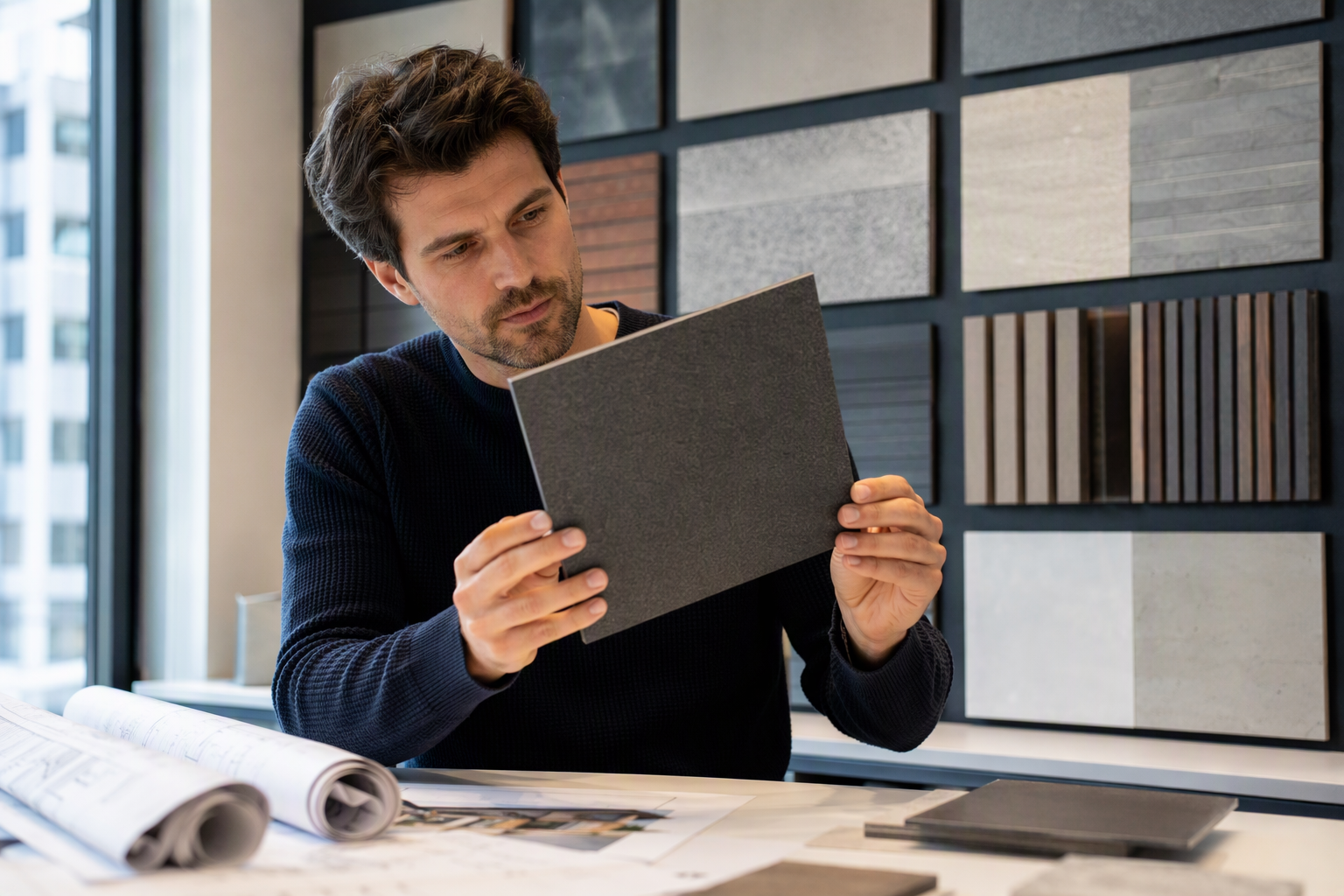
Material samples are good because they show you how something looks. You get to check the colour, the natural textures, and if the product gives the refined finish you want. This can help a lot when you look at cladding materials for different spaces during a design review.
But the sample just shows a promise. It sits in calm conditions, with good lighting and no other structure around it. It can not show how the material handles wind, moisture, heat, or long-term use when out on a real wall or facade.
After you say yes to a sample, your responsibility changes. You move from just picking what you like to thinking about how the whole system will work. Now, you need to ask, “What will this need to survive?” instead of, “Do we like this?” This change in how we think stops us from making costly mistakes later on.
Why Facade Performance Differs from Wall Cladding Samples
A facade deals with many things every day that a sample does not. When it is outside, the material is hit by rain, sunlight, changes in temperature, and movement in the building. In exterior design, these things decide how well facade systems keep their form, stop water, and last over time.
This gap matters for energy efficiency too. If the system is not planned the right way, gaps, weak joints, and poor bonding will make it lose heat and cause upkeep problems. The surface that passed the test might still look fine, but the finished result may not work as you hoped.
So, samples should be where you start, not where you finish. Real success comes when you think about the whole system, the wall, the weather, and the service it needs to do. Once you see this gap, it will be clear where most mistakes pop up.
Mistake 1 – Judging Material by Sample Alone
Yes, wall cladding can help make a building’s front look better. It gives visual impact, marks accent walls, and supports the feel of modern interior design or the outside look. But the look by itself is not enough.
When you use wall cladding in modern interiors and facades, the sample will show you the best side. It will not show how the material acts after it is put on, in different weather, or on a large area. To avoid bad choices, you should try the idea with real use, not just what you see on the display board.
How Real Building Conditions Impact Facade Materials
Once you put facade materials in place, the material needs to handle many environmental conditions. A small sample in a lab does not face these things. The west side of a wall, rain, heat build-up, and changes with the seasons can make big changes to how well your facade works. Sometimes you get strong visual interest from a material, but the whole system can fail if it is not ready for these real-life problems.
There is also more to a facade than just what you see at first look. The wall that sits below, called the substrate, is very important. If it is weak, your cladding system will also be weak. Good structural integrity does not come from how the outer layer looks. It comes from how all the parts work together with the pressure and stress from the outside.
Before you choose your final facade, be sure to look at if the material can stand:
- moisture and lots of wetting over time
- heat, UV, and swings in temperature
- movement in the joints and at the edges
- what the real wall behind the finish is like
A real building gives you the true test. If you look at site conditions honestly, the end result will be much better.
Key Questions to Ask Before Approving a Wall Cladding Sample
A sample might look great as a focal point for accent walls or indoor spaces, but just liking how it looks should make you ask better questions. You are not only picking a surface. You are picking a system that must work every day.
The first question should not be “Do we like this finish?” A better one is, “What will this go on?” After that, ask how the material reacts to movement, weather, and how things are fixed to it. The answers give you more to know than what you see in the sample.
Use this quick checklist before you agree to go ahead:
- What base wall or surface will hold it up?
- What complete system is needed with the material?
- How do joints deal with movement and keep water out?
- Can we look at a small model or mock-up before we order?
These questions help you move from a simple “yes” to real trust in your choice. It helps you avoid the next big mistake.
Mistake 2 – Overlooking the Complete Facade Assembly
To pick the right wall cladding material for exterior walls, you need to look at the whole set-up, not just what you see on the outside. Good facade systems depend on the base layer, the way the materials are fixed, the type of joints, and the weather they will face. All these things need to work well together.
This is important in exterior design, for feature walls, and for building design as a whole. A facade is more than just one material. It is a group of parts that all need to do their jobs. If you skip a part, your wall may not work as it should. In the next two sections, we will show you what goes into that setup for your wall cladding.
Components That Make Up a House Exterior System
A house exterior system is more than the selected finish. On exterior walls and even boundary walls, performance depends on several connected layers. Cladding materials may draw attention, but they do not work alone.
Think of the facade as an assembly with structural, bonding, movement, and weather roles. Each part affects appearance, service life, and maintenance. If one element is chosen in isolation, the system becomes harder to predict.
Here is a simple text table to show the main components:
| Component | Role in the system |
|---|---|
| Cladding surface | Provides the visible finish and design expression |
| Substrate | Supports the load and affects bonding performance |
| Adhesive or fixing | Holds the system in place under service conditions |
| Joints | Absorb movement and help manage edges and water |
| Environment | Tests the whole assembly through rain, heat, UV, and wind |
When you view Facade Cladding this way, selection becomes clearer and more responsible.
Importance of Substrate, Adhesive, Joints, and Environmental Factors
Many problems start when teams just look at finishing the job and do not think about the substrate, adhesive, joints, and what the assembly will face. But these are the things that decide if the facade will stay in place, deal with movement, and keep out moisture as time goes by.
People often talk about which adhesive to use too soon. It is better to first ask what the whole system should do. Things such as how strong the bond needs to be, how the glue cures, how much it will stretch, how firm it is, and if it matches with the substrate can all matter. Joints are important too because they help the parts move and let water out of the system.
Pay close attention to:
- the state and strength of the substrate
- how the adhesive works in the whole system
- what the environmental impact will be from rain, sunlight, and changes in temperature
When you know more about the assembly, it is much easier to not make some mistakes in the future, especially with things like moisture resistance and environmental impact.
Mistake 3 – Ignoring Wall and Substrate Conditions
One of the biggest mistakes people make in wall cladding is thinking the wall behind is good to go. In modern design, for interior spaces or facades, the finish you pick will only work as well as what is underneath it.
For outside designs, you need to look at wall strength, surface condition, exposure, how well things go together, and how much weight the wall can take over time. If you use wall cladding over weak plaster or a base that is not steady, problems can start fast. So, checking the wall must be done before you plan the setup, not after you agree to it.
How Substrate Strength Affects Cladding Performance
Substrate strength plays a big role in how the bond works and how safe a building stays over time. If the wall underneath is powdery, cracked, damp, or not prepared in the right way, the cladding system can have problems. It can struggle, even if the visible finish looks high quality. The finish cannot fix a weak base.
This is also tied to thermal insulation and energy efficiency. If the wall is not prepared well, you may end up with gaps, rough places, or ways for moisture to get through. These issues can lower the system performance. No matter how well the facade is made, it can lose its effectiveness if the wall below is not stable or looks different in places.
Before fitting any Architectural Cladding, ask what the wall is made of, how strong the wall is, and if it is set up to take the load. Taking that quick step helps protect the look, the life span, and how much you have to look after it. When you know what the wall is like, you can feel more sure about getting ready to install.
Assessing Installation Readiness for Facade Materials
Putting up facade materials is when your design becomes real and visible on the wall. Even products that give you a lot of design flexibility still need to go on a wall that’s set up the right way. There must also be clear instructions and the right order of steps. If you miss any of this, the end result might not be as good, even if you’ve picked strong products.
It’s not enough just to have the materials ready. You have to check that the wall is in the right condition. Look at the levels to make sure it’s straight, and examine all the edges. It is good to know how the wall will move and what the weather might do during and after the job. These steps help you or your team avoid problems later.
Look through these questions before you start:
- Is the wall sound, flat, dry, and good for fixing other pieces on?
- Has everyone agreed on the whole way the work will be done and tried it the right way?
- Are movement joints, edges, and places where things meet easy to understand from your plans?
If you skip these checks, teams often make another simple mistake. They might just pick an adhesive without thinking about the whole system first.
Mistake 4 – Selecting Adhesives Without System Consideration
People often think about adhesives only at the end of a project, but they should be considered from the start. In both sustainable cladding and modern interior design, choosing the right one matters. The best option depends on if the adhesive will match the system, what shape the wall is in, how much movement there will be, and how much the area will be exposed to things like weather.
When you want to pick a material for exterior walls, first ask what the whole system needs to achieve. Things like the outside cladding you see, the base beneath, the joints, and how the building will get used can all change how the adhesive works. The next parts will go over what affects this choice and why it is important that everything works well together.
Factors Influencing Adhesive Selection for Exterior Cladding
Adhesives do much more than just stick things together. In outside cladding, they are a big part of how the whole facade works and lasts. You must know how they act when there is weight on them, water around them, when they dry, and when things move, before you pick one to use.
Many technical points help you choose the right one. Strength is key, but so are how much they can stretch, how stiff they are, how they dry, and if they work well with the main material. At times, what the whole system needs, like fire resistance, will change what you can use for the cladding.
When looking at adhesives, check:
- if they work well with the main material and the cladding
- how much movement, sun or rain, and drying time they will face
- if they meet bigger needs, like lasting long or fire resistance
So, when you ask which glue to use, do not just pick the quick or easy one. Base your choice on what the full facade should do in the long run.
Why Compatibility Is Essential for Sustainable Facade Systems
Compatibility is the base of good sustainable facade systems. Even if you choose sustainable materials, things can go wrong if you do not match the parts well. For facade systems, the cladding, adhesive, base, and joints must work as one. If they do not, the system will not last as long and will make more waste.
That is a big environmental impact. When you need to redo work or change parts early, the system uses more of the earth’s resources. This is much worse than a system planned well from the start. Good compatibility means the system will last longer, there will be less trouble, and the project can work well for more time.
At Articlad (Elevate Building Solutions Pvt Ltd), the team looks at the whole system after the products get approved. This is why light or thin materials, like Flexible Cladding, need extra care and support all around them. After you get all parts of the sustainable materials to fit, you will see that understanding the next mistake is much easier.
Mistake 5 – Underestimating Environmental and Installation Challenges
Environmental conditions do not change just because you want them to. Rain, sunlight, wind, and changes in the weather will all test every wall or facade as real life happens. For a modern home and outdoor spaces, you need to think about this from the very beginning.
Putting cladding in place brings its own set of risks. Even if you use a good product, poor installation can lead to problems. If you are choosing cladding for exterior designs, you should look at weather effects, how things move, if the wall is ready, and how well the job is done. Everything has to work together for lasting strength.
Weather Performance and Long-Term Durability in Indian House Exteriors
Weather is the real test for how strong outside walls are. Heat, rain, sunlight, and changing temperatures show what a building can take much better than any sample in a store. In India, house exteriors face tough conditions over many years.
This is why moisture resistance is so important. When materials take in less water, they stay in good shape for longer. They can deal with getting wet again and again. They also last longer in cold weather and strong sunlight, keeping both looks and strength. You have to think about these things along with thermal insulation when picking what to use for your building’s outside.
Articlad’s Flexura shows how Flexible Cladding can fit these needs. The product is made with natural clay and is better for the planet. It takes in less than 1% water, stands up to cold up to 200 cycles, and does not break down in sunlight. Its focus on handling weather helps you choose something that lasts, not just looks good, for many years.
Key Questions to Ask After Material Approval
After you get approval, ask more about what you do not know before you place your order. Try to clear up things about how the system will work, what you must do for care, how it will be moved, and who takes care of the site. You often find hidden problems at this point because you ask better things.
If you want to know where to get good wall cladding materials online, look for sellers who do more than talk about how the product looks. The best ones, like Articlad at articlad.com, tell you clearly about the full wall cladding system. Articlad gives answers and ideas for things like stone cladding, brick cladding, cultured stone cladding, concrete cladding, and simple, flexible cladding. They use a clear plan for each type of cladding for your space.
Evaluating System Functionality, Movement, and Maintenance Responsibilities
Good facade design does not finish when you get approval. It is important to know how the system deals with movement. You need to know who handles maintenance. It matters what will happen if things at the site are not what you thought they would be. These things affect how the facade works in the long run, more than most people know.
Joints are a key part. They are not mistakes in the design. Joints help the facade move, let water drain, and make the edges neat. If you get this from the start, you can plan for maintenance in a better way. It’s not just fixing problems as they come up.
Before you order, ask:
- What is the whole system and how does each part work with the others?
- How is movement handled at the joints, at the edges, and where the parts meet?
- What kind of maintenance will be needed with time?
- Who is responsible after the system is sent out and put in place?
Clear answers show that the process is good and you can trust it. If answers are not clear, this tells you where risk could be.
Benefits of Mock-Ups and Supplier Accountability in Facade Projects
Mock-ups help turn guesses into visible proof. Before you make a large order, you can check the details, how good the finish is, and if the system works in a small, safe area. This is important in homes, facades, and commercial spaces.
Mock-ups are also good for supplier trust. A reliable supplier helps you before you install the system, not just until the items leave the factory. This help lets teams check if their choices are right, look at the site issues, and take away some of the doubt before the full job begins.
Mock-ups are useful because they:
- show how the system really looks and works in its place
- bring up detail or fitting problems early on
- make it clear who is responsible between teams and suppliers
In real life, this step is often the best one to take after you get project approval. It links what the sample promised with what gets built, and this is where planning for the future starts.
Future-Proofing Facade Design and Wall Cladding Choices
The best materials for wall cladding in modern interiors are the ones that look good and last long. These materials have to be easy to keep clean. They should fit with the rest of the look as well. You can choose from natural materials, recycled choices, or lightweight options, depending on what you need for your project.
If you are building a modern home or starting new construction, you need to think about the long run, not just what is popular now. It is important to think about sustainable cladding, energy efficiency, how long things last, and if you can put them in without too much trouble. All these matter the same amount. The next two parts will talk about how lightweight systems affect design and how ideas about facades are changing in bigger ways.
Innovations in Lightweight and Flexible Wall Cladding
Light materials are changing the way designers work in modern interiors and on facades. They cut down the load and make things easier to handle. These materials help designers to get more design flexibility, especially for curved or odd shapes. This design freedom is good, but it makes it more important to have a strong supporting system.
At Articlad, Flexura fits this change. It is only 2–4 mm thick and weighs about 5.2 kg per sq.m. It can go on curved surfaces. This makes it a good choice for Flexible Cladding, where form and weight matter a lot. Being light is a design advantage, but it does not take away the need for system planning.
Articlad also has a wide Architectural Cladding range. This includes Brick Cladding, Stone Cladding, Cultured Stone Cladding, Concrete Cladding, Kratos Beton, Translucent Concrete, and Canvas Concrete. Each of these options serves different looks and uses. They all benefit from good planning and support after approval.
How Facade Systems are Evolving in Indian House Exteriors
Facade systems are changing. Now, designers care about more than making surfaces thinner, lighter, or prettier. The main idea is to know how materials act when they are part of a building. This new way of thinking is helping modern design and fits many architectural styles.
The same thing happens inside buildings. Designers want systems with a long service life, low maintenance, and a real bond between beauty and use. Some spaces use biophilic design and natural finishes to set the look. In other places, the way materials handle weather and movement guides the plan.
Articlad has worked with over 8 million sq ft in India. The main lesson from this is clear. Nice-looking materials may get approved, but strong and well-built systems are what last. That thinking shapes products that are Made in India and safely come with a 25-Year Warranty when you treat the whole system the right way.
Conclusion
To sum up, not making common mistakes when picking wall cladding is key if you want your facade to turn out well. Every choice you make changes not just how it looks, but also how long it will last and how strong the whole building will be. If you know how the full setup works, think about the environment, and ask the right questions after you approve a material, you will help your facade last longer. The next step for wall cladding will be new kinds of materials and new systems that look good and work well too.
Are you looking to make your facade better? Get in touch for a free chat. We can help you pick the best choices for wall cladding that will work well for years.
Frequently Asked Questions
Is wall cladding suitable for both interiors and exteriors in Indian homes?
Wall cladding can be used for both interior cladding and exterior walls if you pick the right one for the job. In a new construction or in a modern home, you have to check the wall condition, how much it is exposed, possible movement, and plan how you will put it in. It is not just about how it looks on the outside.
What factors should be considered when selecting exterior wall cladding?
When you are looking at exterior walls, check the whole system. You need to think about how strong the base is, how much weather the wall will face, if the wall might move, if the glue will work, and how easy it is to look after. It is important that cladding materials help with moisture resistance and last a long time. In modern design, energy efficiency and how tough the wall is matter as much as the colour, feel, and the way it looks.
Can wall cladding improve the aesthetics and durability of a house facade?
Wall cladding can help make a building look better and last longer when used as part of the whole facade. It’s a good way to create accent walls, add a contemporary look, and make the surface stronger. The important thing is to check that the base, joints, and fitting match the material you pick.