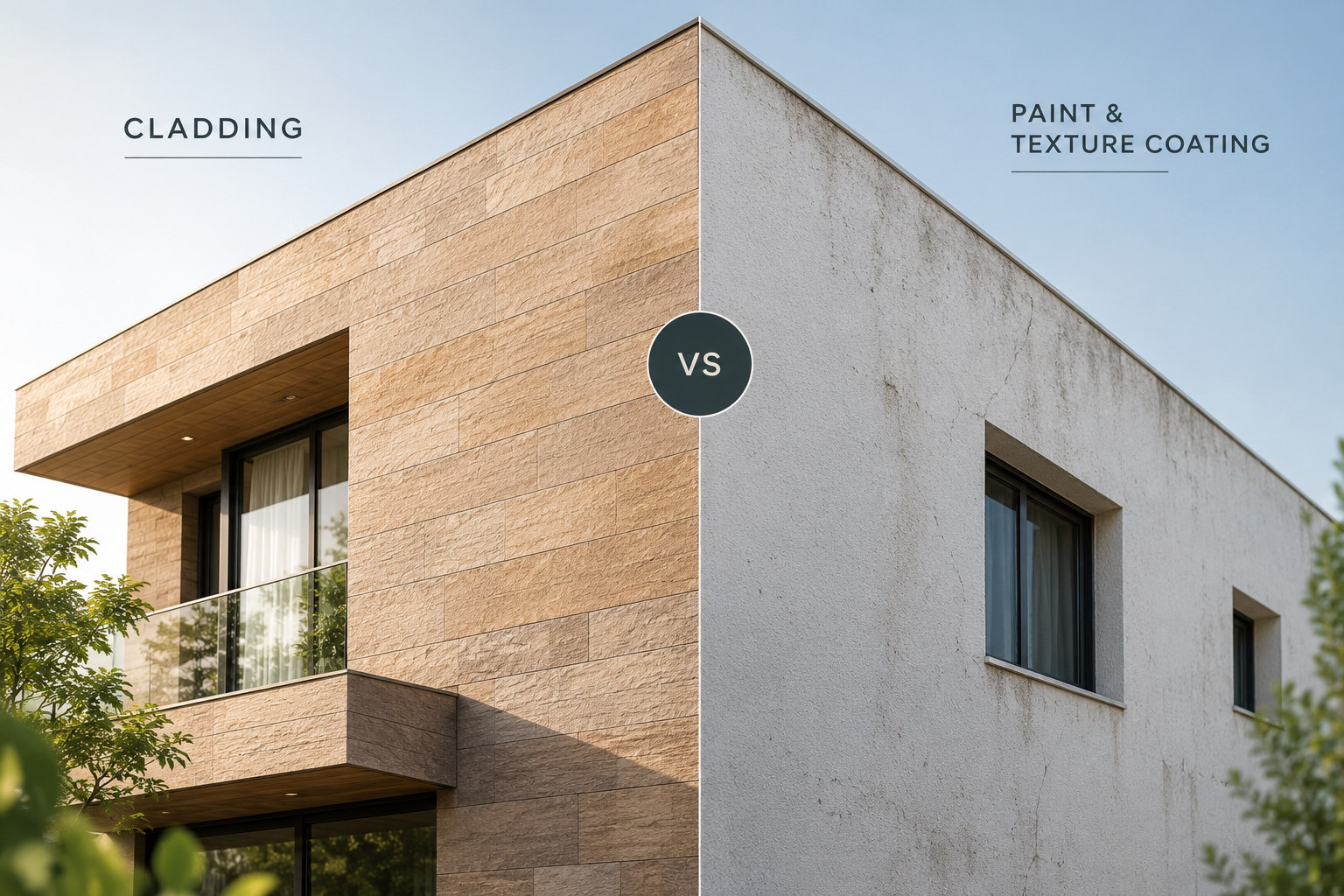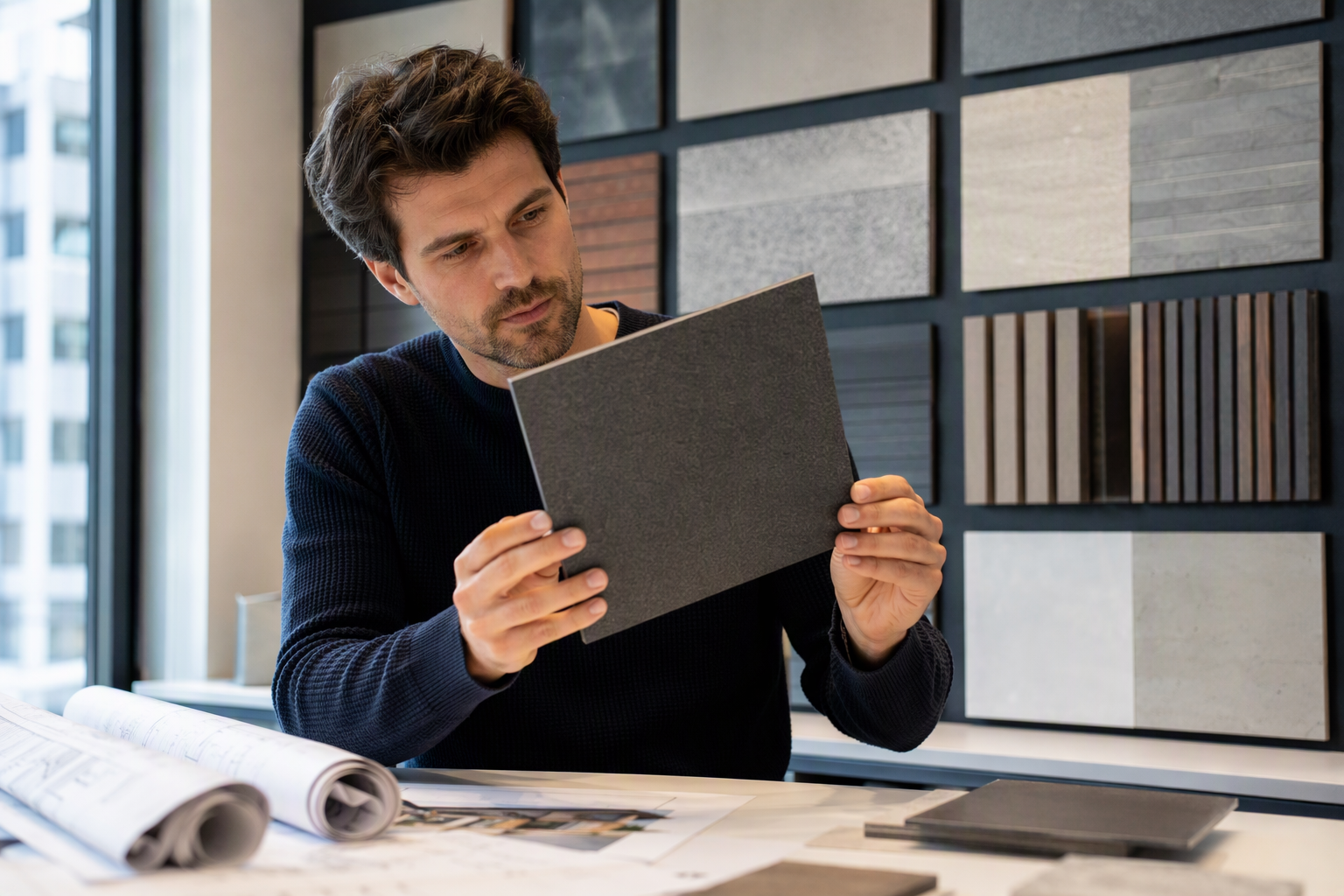
Choosing a cladding manufacturer is not just about picking a finish that looks good on an exterior wall. For architects, the real task is finding a partner that can support design intent, performance, and practical execution. Exterior cladding affects durability, maintenance, and the final character of modern homes. So what should you ask before specifying? A practical checklist helps you compare options clearly, avoid surprises later, and make decisions that work both on paper and on site.
Understanding Wall Cladding and Its Importance for Architects
Wall cladding is the outer layer fixed over a building surface to protect it and shape its appearance. For architects, it does two jobs at once. It helps shield the structure from moisture, sun, and changing temperatures, while also strengthening the façade’s aesthetic appeal.
You also have a wide range of options to work with, from natural finishes to engineered boards and panels. That means the right system must balance weather resistance, cost, maintenance, and design intent. To choose well, it helps to understand the main materials and the benefits they bring.
Types of Wall Cladding Materials Commonly Used in India
If you are asking what are the main types of wall cladding materials available for homes, the answer is simple: architects can choose from a wide range of finishes depending on budget, style, and expected performance. Each cladding material brings a different look, lifespan, and maintenance profile.
Some of the most used options include the following:
- Stone cladding for a rugged, traditional exterior and strong moisture resistance.
- Fiber cement for a low-cost, low maintenance finish with good weather performance.
- Brick cladding for a timeless look across many architectural styles.
- Composite materials for durability, recycled content, and easy customization.
- Timber, metal, tile, glass, and uPVC for specific visual and functional needs.
In India, the best fit often depends on climate, façade style, and the level of upkeep a client can manage. That is why material knowledge should come before manufacturer shortlisting.
Benefits of Wall Cladding in Modern Architecture
Yes, wall cladding can improve the appearance of a residential property in a big way. It changes proportions, adds texture, and gives the façade a cleaner, more finished identity. In modern architecture, cladding is often used to create a strong visual appeal without rebuilding the main wall.
Its value is not only visual. Many systems also support building performance in everyday use:
- Low maintenance finishes reduce upkeep and long-term labor.
- Thermal insulation helps manage indoor comfort.
- Energy efficiency can improve when heat transfer through walls is reduced.
- Better resistance to sun exposure can help limit fading and surface wear.
For architects, this makes cladding both a design tool and a practical layer of protection. A good specification improves appearance, durability, and building comfort at the same time.
Key Criteria for Selecting a Cladding Manufacturer
Not every manufacturer is equally suited to every project. A polished brochure may show attractive finishes, but architects need to verify how the product performs under real weather conditions, handling, and site constraints. That means looking at more than samples.
Focus on whether the manufacturer can meet performance standards, maintain quality, and support proper installation. Ask if the system has proven it can stand the test of time in actual use, not just in marketing claims. The next two areas help you assess that with more confidence.
Performance Standards and Certifications
If you are wondering how to choose the right wall cladding for your building, start with tested performance. Architects should ask manufacturers how their boards or panels respond to rain, UV exposure, temperature shifts, and fire-related risks. Weather resistance and fire resistance should never be assumptions.
You should also check whether the manufacturer can show accreditations or product-specific compliance details. Even when two products look similar, their technical reliability may differ. A smart specification depends on verified data, not appearance alone.
| What to Ask | Why It Matters |
|---|---|
| Is the product tested for weather resistance? | Helps confirm suitability for rain, humidity, heat, and harsh weather conditions. |
| What fire resistance properties does it offer? | Supports safer material selection, especially for larger or sensitive projects. |
| Which accreditations or approvals are available? | Shows whether the manufacturer can back claims with formal documentation. |
| Is UV or sun exposure performance stated? | Helps assess fading, degradation, and long-term exterior finish stability. |
Manufacturing Capabilities and Quality Control
When architects ask who are the top manufacturers of wall cladding panels in India, the better question is this: which manufacturers can consistently deliver the right product for your project? A strong supplier is defined by process control, dependable output, and practical support, not just name recognition.
Ask how the manufacturing process is managed from raw material selection to final finishing. Find out whether colors, textures, board dimensions, and coatings remain consistent across batches. This matters even more when the façade needs uniformity over large elevations.
The installation process should be discussed early as well. Some systems are easy to fit using simple methods, while others need more precise support details. A manufacturer that understands both factory control and site execution is usually the ideal choice for architects who want fewer surprises during delivery and installation.
Exploring the Range of Products Offered by Cladding Manufacturers
A manufacturer’s catalog tells you a lot about how flexible they can be. Some suppliers offer only one or two systems. Others provide a wide range of finishes, profiles, and performance levels that help architects respond to different project types.
That matters because exterior wall cladding is rarely one-size-fits-all. Residential façades, villas, commercial work, and feature walls may each need a different range of materials. Reviewing product depth helps you see whether the manufacturer can support current needs and future design changes.
Ecological and Sustainable Cladding Options
Yes, there are eco-friendly options for wall cladding, and architects should ask about them early. Some composite products use recycled wood fibers and recycled plastic. Timber is also described as one of the more environmentally friendly and reusable exterior cladding systems available.
Sustainability should still be balanced with performance. The most useful products are the ones that combine responsible material choices with durability and easy care. Ask whether the system also supports low maintenance use over time.
Look for options that offer:
- Recycled or reusable content in the product makeup.
- Low maintenance performance with minimal upkeep after installation.
- Moisture resistance for longer façade life in exposed areas.
- Long service value so replacement is less frequent.
A greener material is most useful when it also performs well in daily conditions and reduces lifetime maintenance demands.
Innovative Materials for Contemporary Designs
What are the best design ideas for modern wall cladding? Start with materials that give clean lines, texture, and flexibility. Fiber cement cladding is a popular choice because it can create a neat, refined surface while offering a woodgrain effect and a range of colors. Glass can also create a bold modern look by bringing in natural light.
For projects that need more depth or contrast, natural stone cladding can become a focal point. It works well when you want texture and a stronger material expression without losing durability.
Useful contemporary directions include:
- Fiber cement cladding for crisp façades with subtle texture.
- Natural stone cladding for contrast, depth, and strong visual appeal.
- Metal or glass for sleek surfaces on larger modern elevations.
The right choice depends on scale, climate, and the mood you want the building to project.
Evaluating Manufacturer Experience and Reputation
Before you specify, take time to study the manufacturer’s reputation. Product claims are easier to trust when the supplier has a visible record of reliable delivery, consistent quality, and successful built work. Experience reduces risk, especially on detail-heavy façades.
Look at past projects, ask where the systems have been used, and check whether the company has earned any industry recognition. These signs do not replace technical review, but they help you judge whether the manufacturer is likely to support architects well from selection through execution.
Past Projects with Indian Architects
If you want to identify strong manufacturers in India, review where their products have appeared in recent years and how well those applications match your project type. A supplier with experience across villas, homes, barn-style conversions, and commercial buildings may offer better insight into varied façade needs.
Past work matters because it shows how materials respond to real architectural style requirements. For example, glass often appears in statement commercial buildings, while stone, timber, brick, and fiber cement are more common across homes and mixed-use exteriors. Metal has also become more visible in large domestic and working structures.
You do not need the biggest name. You need a manufacturer whose built references show consistency, suitability, and practical understanding of local design expectations. Ask for examples that relate closely to your specification, not just generic project images.
Reviews, Accreditations, and Industry Recognition
A manufacturer may offer attractive samples, but third-party signals help you judge reliability. Reviews, accreditations, and industry recognition can show whether the company has earned trust beyond its own sales material. This is useful when you are comparing similar products.
If you are asking how to choose the right wall cladding for your building, use these checks to narrow the list:
- Read reviews for comments on delivery, product consistency, and service.
- Ask for accreditations tied to safety or tested performance.
- Look for evidence that products have stood the test of time in completed work.
- Check whether the brand is recognized for supplying residential or commercial projects.
These indicators do not replace technical evaluation, but they help confirm whether a supplier is a great choice for a real project. A reputable manufacturer should be willing to share this information clearly.
Engaging With Cladding Manufacturers: Essential Questions to Ask
Once you have narrowed your shortlist, the next step is conversation. This is where architects can move beyond datasheets and test how helpful, informed, and transparent the manufacturer really is. Good questions reveal strengths that samples alone cannot show.
Ask about customization, the installation process, and after-sales support. These three areas often shape whether the façade will be easy to detail, straightforward to build, and simple to maintain over time. The following checklist points can guide those discussions.
Customization & Design Flexibility for Architects
How do you choose the right wall cladding for your building when every project has different visual goals? Ask the manufacturer how far the system can adapt to your design intent. Flexibility matters when the façade needs to respond to scale, context, and client preference.
Many materials now support strong variation in look and layout. Composite can be cut to custom lengths. Timber can be installed vertically, horizontally, or diagonally. Tiles can form unique patterns. These options give architects more control over design styles.
Useful questions include:
- Is there a wide range of colors available for the selected system?
- Can the product offer a custom size, pattern, or layout?
- Does the finish have its own texture, such as woodgrain or stone effect?
- Can the material be used to create a focal point on the façade?
The best manufacturers help you translate concept sketches into practical façade solutions without losing design clarity.
After-Sales Support and Installation Guidance
A good product can still underperform if the site team lacks clear direction. That is why after-sales support matters. Architects should ask what installation guidance the manufacturer provides, and whether support continues after materials reach the site.
This question also affects long-term client satisfaction. Some cladding systems are chosen because they offer minimal maintenance, but that benefit depends on correct fitting and care instructions from the start. Even simple products need clear handling advice.
Ask for support on points like:
- Written installation guidance for installers and supervisors.
- Care instructions covering occasional cleaning and routine upkeep.
- Clarification on what level of minimal maintenance can realistically be expected.
When a manufacturer stays involved after the sale, it becomes easier to protect design quality, reduce rework, and help the finished façade perform as intended.
Conclusion
Choosing the right cladding manufacturer is a crucial step for architects looking to enhance their designs. By following the practical checklist we’ve outlined, you can ensure that you’re engaging with manufacturers who not only meet performance standards but also align with your vision of quality and sustainability. The right questions can pave the way for successful collaborations, leading to innovative solutions that elevate your projects. Remember, a thoughtful approach to selecting a cladding partner can significantly impact the aesthetic and functional aspects of your designs. If you’re ready to explore the best options tailored to your needs, get in touch for personalized recommendations and support!
Frequently Asked Questions
Are cladding solutions suitable for both interior and exterior walls?
Yes, many cladding systems can work across exterior wall cladding and interior spaces, depending on the material and application. Timber, tile, and some panel systems are a popular choice because they are a versatile choice for design continuity, while exterior use also needs proven weather resistance.
Can wall cladding enhance the appearance of residential projects?
Yes, wall cladding can greatly improve a home’s visual appeal by adding texture, pattern, and a more finished façade. With a wide range of materials and finishes available, it is a great choice for creating a modern look while also strengthening the overall aesthetic appeal.
Who are the leading cladding manufacturers in India?
Leading manufacturers are usually the ones that have shown consistent quality over the test of time, supplied a strong range of materials, and built a visible track record in recent years. For architects, the best choices are often those trusted across homes and commercial buildings and backed by industry recognition.