Key Highlights
- Material science explains how facade systems respond to heat, moisture, load, and daily movement.
- A strong adhesive choice must match the properties of materials used in Wall Cladding and Facade Cladding.
- Correct spacing is a practical milestone because it helps panels handle thermal expansion without stress.
- A research team approach and tested installation conditions reduce avoidable cracking across climates.
- Innovation in Exterior Cladding now focuses on durable systems, better bonding, and climate-fit performance.
- Crack-free results depend on material selection, movement control, and disciplined installation.
Introduction
When you see a facade that stays clean and strong, you are really seeing material science in action. The research team behind modern buildings looks closely at the properties of materials, how they deal with heat, and what happens to them as time goes on. This is why crack-free design is about more than just how things look. It is about good choice, the right installation, and knowing how things move. For products such as Brick Cladding or Flexible Cladding, science helps give the best results.
Understanding Building Facades Through Science
A facade is not a single still layer. It is a surface that reacts to changes in temperature, moisture, and movement in the building. Material science helps you see why some surfaces last a long time, while others crack or wear out early.
You can think of a facade as a full system and not just one sheet. A research team working with materials studies the way solids get bigger or smaller, the way bonds between them behave, and the way stress happens when something cannot move. This knowledge now helps make better Wall Cladding, Exterior Cladding, and Interior Cladding. In the next two sections, you will see how the science behind durability works and how new ideas stop cracks from forming.
The Role of Materials Science and Engineering in Facade Durability
Material science shows us the basic rules for making facades that last a long time. It looks at the way structure, chemistry, and processing work to help explain how the materials act when used in real life. In building, this means you get to know how a panel, a surface behind it, or an adhesive will react before it goes in. Recent breakthroughs in materials science, such as the development of self-healing polymers, improved nanomaterials, and advanced coatings, are being applied across various scientific fields to enhance durability, sustainability, and performance. These innovations not only benefit facade engineering but also have significant impact in areas like electronics, healthcare, and energy technologies.
The properties of materials are important because every type will act a different way with heat or when put under restraint. For example, glass, steel, concrete, polymers, and composites all get bigger at different rates when heated. If a facade does not take this into account, there can be stress inside that grows fast. A crack is usually not something that happens with no reason. It shows that there is strain you cannot see under the surface.
That is why engineering is now a milestone in the way new facades are designed. People now pick and put in the best systems by using tested behaviour. They do not just guess. No matter if you use Stone Cladding, Concrete Cladding, or Architectural Cladding, the system will last better if every part works together and can move as it needs to.
Key Innovations Driving Crack-Free Facade Solutions
Recent breakthroughs in material science show one thing: you get better performance when you have more control. In areas of engineering, teams use better processing, coatings, modelling, machine learning, and exact testing. They do this to know how materials will act before any big problem shows up. This same idea helps a lot with facades.
One big breakthrough in science is the use of AI to improve how we make decisions by pictures and also make diagnosis more accurate. This is much like material science. Better checking of data makes it easier to choose the right materials, spot problems early, and make better design choices for cladding systems.
When it comes to facades, innovation means using systems that are made for the way things will be used, not only how they look. Products like Cultured Stone Cladding, Flexible Cladding, Translucent Concrete, and Canvas Concrete are good examples of this new way of thinking. Each product works best when you pick the right adhesive, make space for movement, and do the installation in places that have been tested. This makes sure they work well in every type of climate.
Why Facades Crack: Scientific Explanations
Facade cracks appear when stress builds up faster than the wall can handle. In material science, we know that solids get bigger or smaller with changes in temperature. If they cannot move freely, that puts force inside them which can make them break. When the building parts cannot deal with these changes, we may see damage.
Movement in the building itself is also a problem. Buildings shift a bit because of weight, heat, and even the passing of years. If the panels, joints, or adhesives do not have enough spacing or are not flexible, stress will build up at the weaker points. The next parts show the main causes and why it is so important to pay attention to thermal expansion and proper spacing.
Common Causes: Material Stress and Environmental Factors
Many cracks start with basic physical actions. Material science tells us that most solid things get bigger when the temperature goes up. They shrink when the temperature drops. If these changes cannot happen freely, stress builds up in the outside layer. Over time, going through this up and down change can damage bonds, corners, and joints.
Being out in the open air makes the issue even worse. When things heat up or cool down at different speeds each day, or take in water, the layers change in their own way. The glass-like surface, concrete base, and polymer adhesive may not move the same way at the same time. This difference puts extra and hidden strain on the materials.
Common causes include:
- not enough room for movement because of poor spacing between pieces
- using layers that react to heat in different ways
- doing the installation when it is not in the right temperature range
- picking the wrong adhesive for the properties of materials
Finding out what leads to these cracks is a milestone. It can help make you focus on stopping the problem before starting to repair things. This science works the same if you use Brick Cladding or Exterior Cladding panels.
The Impact of Building Movement and Thermal Expansion
Thermal expansion is the tendency of matter to increase in size as temperature rises. In solids, even a small change matters because facades cover large areas. Material science shows that different materials have different coefficients, so they do not all expand by the same amount.
Now add building movement. A structure can shift slightly under load, weather, and normal service conditions. If the facade is free to move, that change is manageable. If it is constrained, stress builds inside the assembly and often appears as cracks, edge failures, or debonding.
| Factor | What happens in a facade system |
|---|---|
| Temperature increase | Panels and substrates expand |
| Temperature decrease | Materials contract |
| Different material types | Layers move at different rates |
| No movement allowance | Stress concentrates at joints and edges |
| Building movement | Extra strain passes into the facade |
This is why Facade Cladding must be designed with room for controlled movement, not rigid restraint.
Material Selection and Innovation for Crack-Free Facades
The right facade begins with the right material. Material science lets you look at the properties of materials rather than picking just by how it looks or what is popular now. This is important because strength, how much something stretches, and how things stick together, all change the risk of cracks.
Today, new ideas give you more options for Wall Cladding and Architectural Cladding. You can find stone-like systems, surfaces made from concrete, and flexible choices, and all of these can work well if you match them to the weather and where you use them. The next parts will talk about how the properties of materials react to your climate, and how choosing better materials with material science can help lower failures as time goes on.
Advances in Material Engineering for Indian Climates
Indian climate puts a lot of pressure on building facades. There is high heat, strong sunlight, and moisture that comes with each season. The temperature can change a lot in one day, which makes the building surface move more. All these things show the need for good material science when you pick a facade system that will last in Indian weather.
There has been a useful breakthrough in choosing building materials. Now, the focus is more on how a material will behave over time, not just how it looks. This means you should use systems that handle expansion, allow for strong bonding, and stay steady when put in during installation. These things matter even more when using big Exterior Cladding and Decorative Wall Cladding sheets.
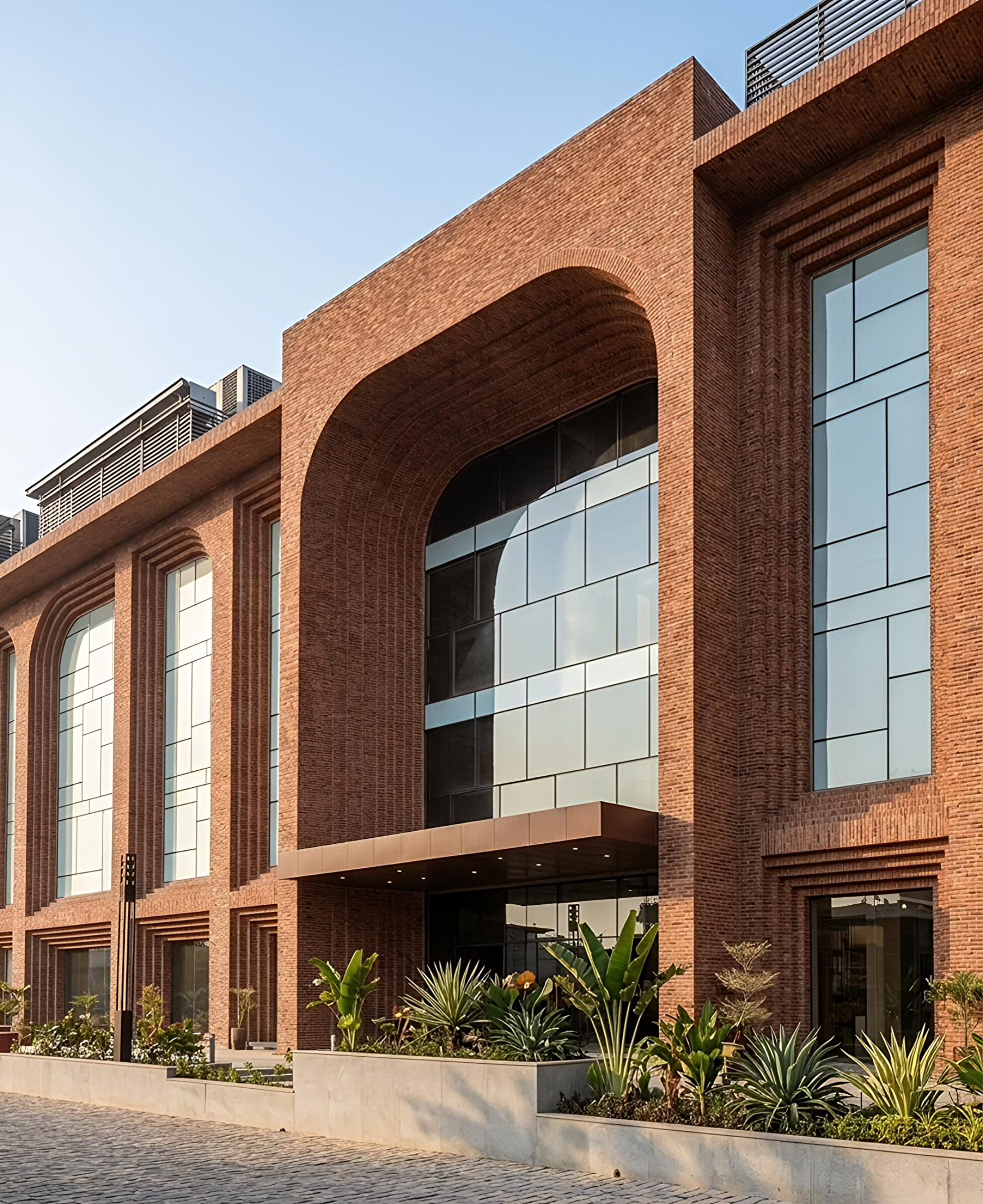
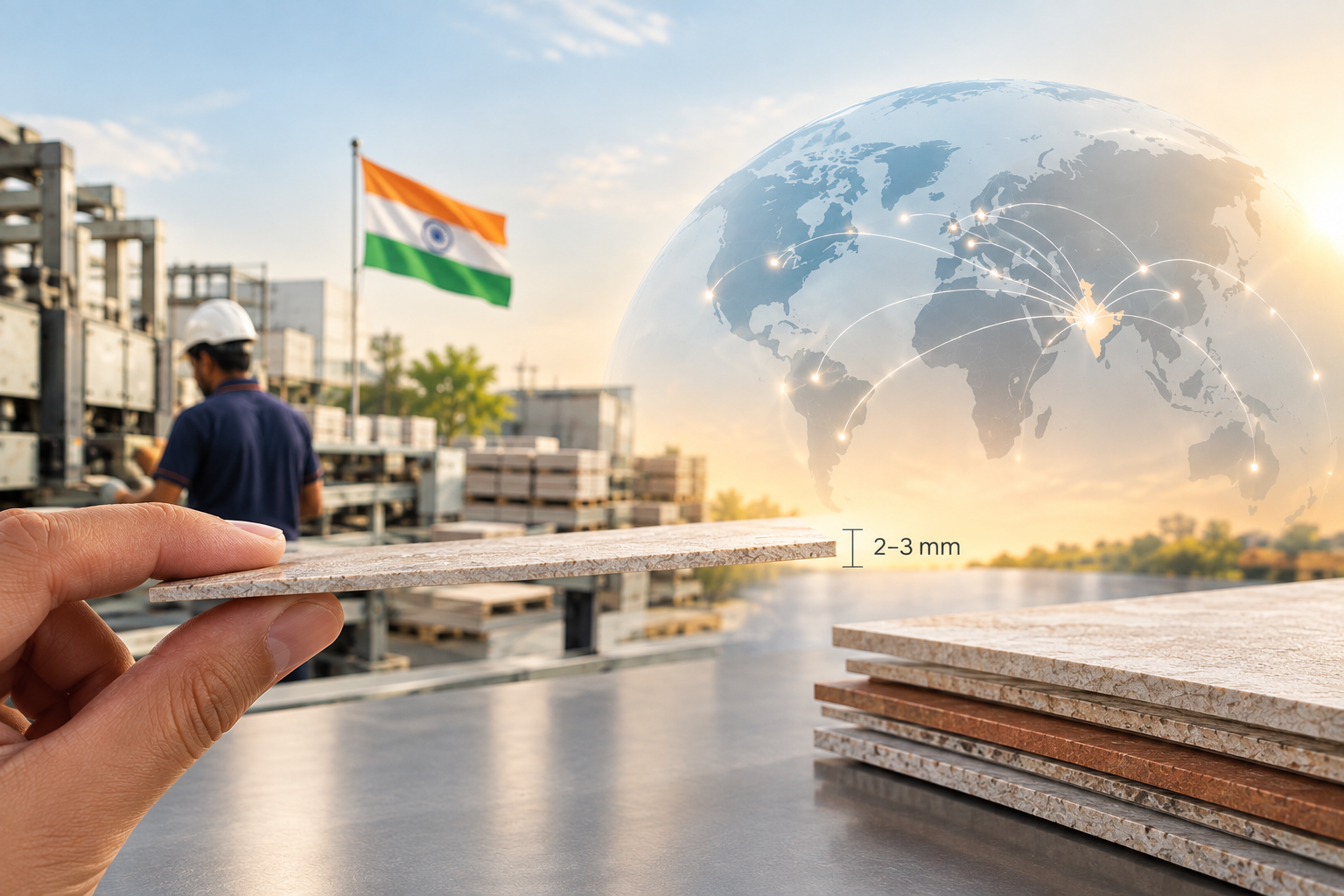
If you are a builder or someone who chooses materials, you can look at Brick Cladding, Stone Cladding, Cultured Stone Cladding, Concrete Cladding, or Flexible Cladding. At Articlad, the Flexura, Brick Cladding, Cultured Stone, Translucent Concrete, and Canvas Concrete ranges are all made with better performance in mind. All these products are Made in India and come with a 25-Year Warranty. This gives people confidence. But, after you choose the right thing, installing it in the right way will always be important.
How Material Innovation Reduces Facade Failures
Material innovation helps reduce facade failures by making sure every part of the system works well together. A research team that does advanced work in engineering does not only look at how a material appears. They will also check how it sticks, how much it moves with heat, and how it holds up after many temperature changes.
This focus on the properties of materials has already brought big changes in other areas. Scientists have made buildings stronger, batteries better, coatings last longer, and found new ways to make things by paying close attention to how they make and process things. The same idea helps in facade design: when you know how things will work ahead of time, you stop problems from happening later.
For your project, you will get better results when you pick products that fit each job. Interior Cladding and Exterior Cladding must not be treated as if they deal with the same things, because they don’t. Good material innovation means less cracking happens, as the right finish, the right layer below, and the right space for movement all get picked early.
Adhesives and Installation Practices
Even the best cladding can fail if the installation is not done well. The adhesive you use, the spacing, and the site conditions all play a part in how well the system will work. That is why you do not want to rely on quick fixes. Follow tested ways instead.
Think about the properties of materials in each layer, starting from the panel face to the base. A good plan for installation will check the bond between surfaces, leave room for movement, and think about the weather when the cladding goes up. The next parts will show how using the right adhesive and the right spacing can help make smooth results without cracks.
Choosing the Right Adhesive for Seamless Application
Adhesives are not all the same. Material science tells us that how well you get things to stick together depends on the properties of materials you use. A panel with a thick concrete face, a rough stone surface, or a soft backing will each react differently to heat and stress.
So, what should you look out for? First, make sure the adhesive works with the surface and the cladding type. Next, check that it can handle movement and not become hard or crack. It should also keep working through the changes in temperature you get at your site. Good results do not just need strong sticking power but also the right amount of give when things move.
This matters most for things like Brick Cladding, Cultured Stone Cladding, Flexible Cladding, and Concrete Cladding. If you use an adhesive that is too hard or does not fit the job, you can end up with cracks or parts coming loose even when the panel is in good shape. The right way to get things to stay put is to think about compatibility first—not just what is easy to find.
Installation Techniques: Spacing, Thermal Considerations, and Testing
The quality of installation comes down to careful work. Thermal expansion happens and can be worked out ahead of time, so you need to plan some movement in the facade before start fitting panels. If correct spacing is not given, panels press on each other, and then the edges carry all the weight and cracks can show up much more often.
Tested site conditions are also just as important. You need to fit materials only in the right temperature range and on good, prepared surfaces. If the ground or wall is not steady or if the weather does not fit the tested product limits, it can be hard for even the best panel system to work right. This is a milestone for any project that has to work in different climates and with varied conditions.
Key steps for installation are:
- keep the right spacing so panels move the way you expect
- think of thermal expansion by size and the way panels are set out
- use the correct adhesives for the wall and for the cladding being used
- install only when site conditions are within the trusted limits
It does not matter if you are setting up Wall Cladding, Interior Cladding, or Exterior Cladding—the right outcome comes when you use the right panels and fit them the right way.
Conclusion
To keep the outside of your building free from cracks, you need to use the right materials, adhesive, and good installation methods. When you know the reason why facades stay strong and what causes cracks, it helps you make better choices to keep your walls looking good for a long time. Always pick the correct adhesive, and do the installation with care—giving attention to things like spacing and how the building might change shape in different temperatures. These steps are important if you want to get even and lasting results. If you want to learn more or get ideas made just for you, you can ask for a free advice meeting with our experts. Your way to a crack-free facade begins now!
Frequently Asked Questions
Which new materials are leading innovation in facade science?
There are some new ideas in facade science right now. These include Flexible Cladding, Translucent Concrete, Canvas Concrete, and concrete cladding that has improved surfaces. A research team in material science works to understand the properties of materials. They also look at how those materials move and stick together. This way of thinking leads to a breakthrough. It helps people make systems that don’t just look good but also work well when their climate gets tough.
Can you explain thermal expansion and its effects on facades?
Thermal expansion is when a material changes its size because the temperature goes up or down. In building facades, this can lead to stress if the material is not free to move. The research team uses material science and looks at the properties of materials to predict how they will act. Allowing for this movement is an important milestone, and it helps stop cracks and bond failure.
What are the essential guidelines for crack-free facade installation?
For a crack-free installation, check the spacing, the condition of the substrate, the compatibility of the adhesive, and be sure to test site temperatures. Think like a research team to match how you install things to the properties of materials you use. The main milestone is clear: pick the right system, let it move when needed, and put it in only when you know the conditions are good and have been checked.