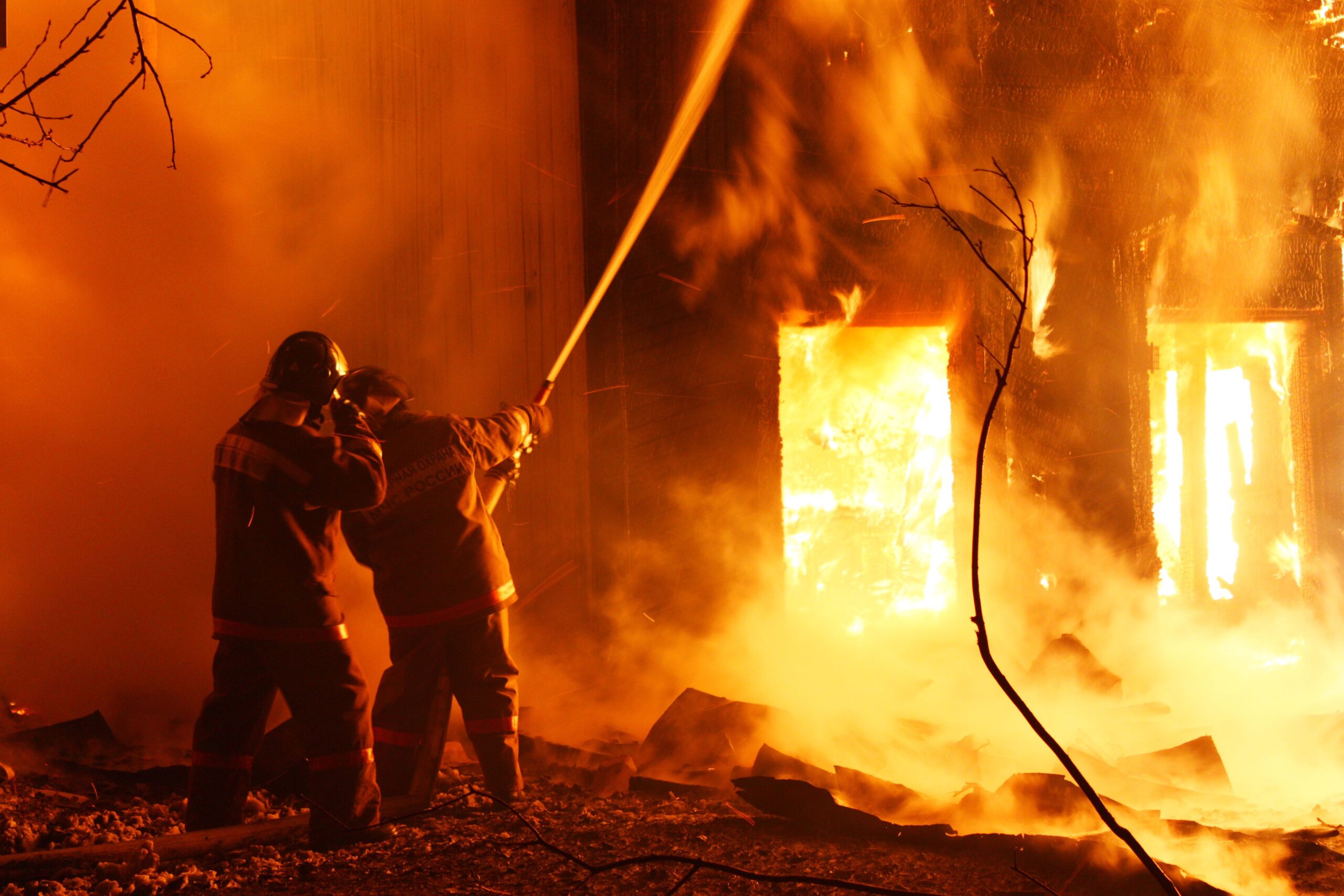
In December 2017, a devastating fire broke out at the Kamala Mills compound in Lower Parel. The incident, widely remembered as the Kamala Mills Fire, shook the city and triggered intense discussions about building safety.
For most people, the conversation focused on fire regulations, emergency access and operational safety. But among architects and façade consultants, another question quietly surfaced: How do building facades behave when fire reaches the exterior of a structure?
It is a question that had always existed in building science, but events like Kamala Mills pushed it into sharper focus.
When Fire Meets the Building Envelope
Most fires originate inside buildings. But in dense urban environments, flames can sometimes reach exterior surfaces through terraces, service areas, windows or adjoining structures.
Modern buildings often rely on dry cladding systems — decorative panels mounted on metal frameworks with cavities behind them.
These systems offer speed of installation and clean architectural finishes. But under extreme heat conditions, certain facade assemblies can behave differently. Cavities behind panels can allow heat to travel vertically along the building envelope.
This behaviour is one of the reasons facade engineering has become a specialised discipline in modern architecture.
Why Material Behaviour Matters
When architects select facade materials, they balance several factors:
- appearance
- structural weight
- durability in weather
- installation efficiency
- long-term performance
But increasingly, another aspect is receiving attention — how materials behave under extreme conditions.
Not every cladding material responds the same way to high temperatures. Some soften, some ignite, while mineral-based systems often remain comparatively stable.
Because of this, many architects today are exploring engineered mineral facade systems as alternatives to conventional panel assemblies.
A Different Direction in Cladding Design
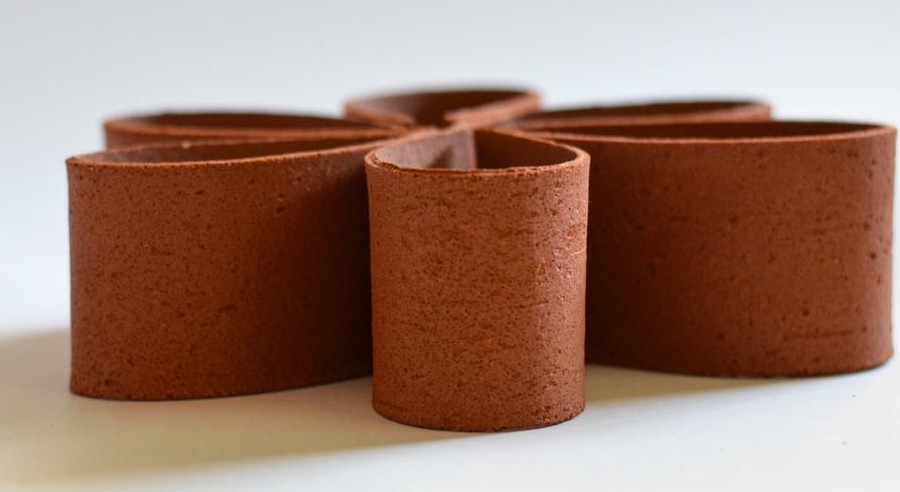
At Articlad, research into lightweight façade systems had already led to the development of Flexura, a patented flexible unfired clay composite cladding.
The material was designed to rethink how clay-based architectural surfaces could be used in modern buildings. Instead of heavy rigid panels, Flexura uses an engineered mineral matrix combining unfired clay with performance binders, creating a thin, flexible cladding surface suitable for contemporary facades.
Key characteristics include:
- Lightweight: approximately 5.5 kg per square metre
- Flexible format: adaptable to curved architectural surfaces
- Micro-porous structure: allowing the façade to breathe
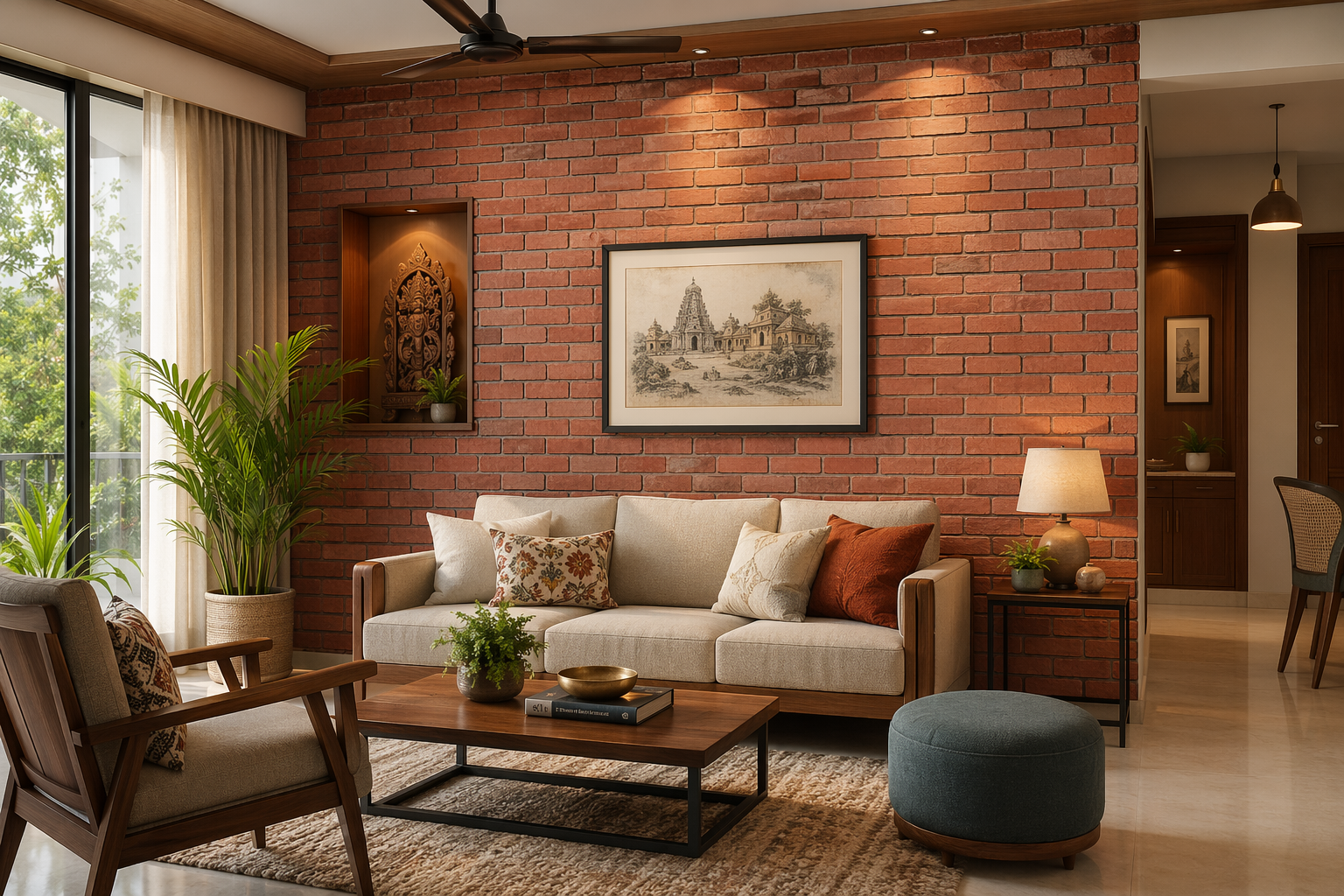
- Wide range of textures: including brick, stone, slate, corten and wood finishes
Alongside Flexura, Articlad also produces façade systems where concrete matrices are combined with clay aggregates to recreate the appearance of stone and brick while significantly reducing installation weight.
Cities Teach Architects Over Time
Architecture is constantly shaped by real-world experience.
Sometimes buildings teach lessons slowly — through decades of weathering and maintenance. Other times, events remind the industry to look more closely at the materials that form the outer skin of our cities.
The discussion around façade safety continues to evolve, especially as urban buildings grow taller and denser.
For architects today, the façade is no longer just an aesthetic layer. It is a critical component of building performance — balancing durability, weight, material behaviour and safety.
And increasingly, the solutions lie in engineered materials that combine traditional mineral surfaces with modern material science.
Ready to elevate your space with premium cladding?
Articlad offers India’s finest brick, stone, and flexible cladding solutions, backed by a 25-year warranty and delivered across India.
📍 Showroom: No. 8, Cama Industrial Estate, Sun Mill Compound, Lower Parel, Mumbai 400018
📞 +91-8828283063 ✉ sales@articlad.com