Let’s begin with something uncomfortable — numbers.
In India, building-related structural failures continue to claim lives every year. Between 2010 and 2014, more than 13,000 people died due to structure collapses (Source: National Crime Records Bureau, reported by Business Standard). Studies analysing national data estimate nearly 2,700 deaths annually linked to structural breakdowns (Source: ANAROCK study, Times of India).
Closer home, Mumbai alone recorded over 230 deaths and more than 800 injuries within five years from building collapse incidents (Source: BMC RTI data).
When we hear “collapse,” we imagine entire buildings falling. But in reality, many incidents begin much smaller — deteriorating exterior elements, weakened façades, or materials that simply did not age well under real conditions.
And that matters, because façades sit directly above people. Buildings Move. Materials Don’t Always Agree. A high-rise is never completely still.
Wind causes slight sway. Daily temperature changes expand and contract materials. Over years, even minor movement creates stress. Most conventional cladding systems — stone, ceramic, metal panels — are rigid and heavy. They perform well initially, but long-term stress often shows up as cracked joints, loose fixings, or surface failure.
The problem isn’t poor construction alone.
Sometimes, it’s simply the wrong behaviour of the material. Interestingly, India Already Knew a Better Way
Long before curtain walls and aluminium panels, Indian construction relied heavily on clay. From the Indus Valley settlements to vernacular homes across Rajasthan and Kutch, clay remained a preferred outer surface for centuries.
Not because it was primitive — but because it adapted.
Clay absorbs stress instead of concentrating it. It allows moisture to escape. It responds naturally to temperature change. In simple terms, it works with the building rather than resisting it.
Modern construction moved away from this logic in favour of rigidity and speed. Now, façade engineering is slowly coming back to the same principle — flexibility.
Where Articlad Fits In
At Articlad, the idea started with a practical question: can a façade be safer if it behaves less like a rigid panel and more like a protective skin?
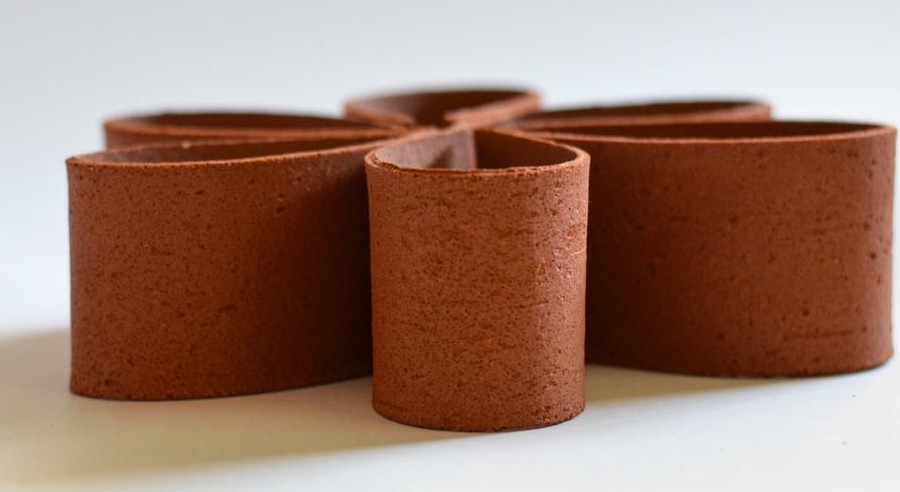
Flexible clay cladding was developed around that thinking.
By reducing weight and allowing controlled flexibility, the system addresses one of the biggest long-term risks in high-rise envelopes — stress accumulation over time.
Why Flexibility Matters
Lower weight reduces load on anchors and substructures, lowering the chances of detachment as buildings age. Material flexibility helps absorb movement caused by wind and temperature cycles. Clay-based composition avoids brittle shattering behaviour associated with heavier façade materials.
The goal isn’t just performance on installation day — it is predictable, safer behaviour decades later.
The Direction High-Rise Architecture Is Heading
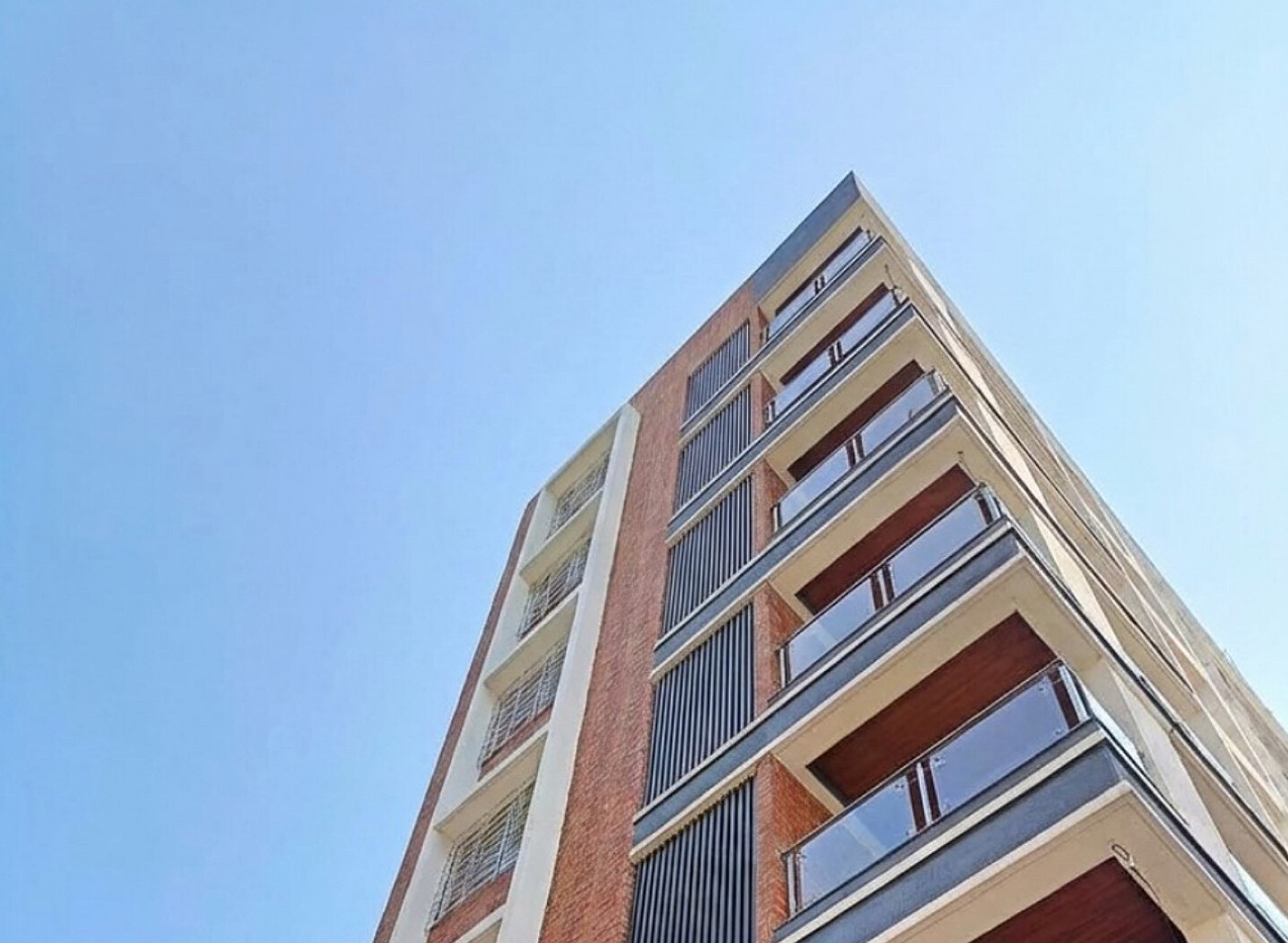
Indian cities are growing vertically faster than ever. With density increasing, the responsibility of façade design has quietly changed. What hangs on the exterior of a building directly affects public safety at street level.
The future façade cannot only be aesthetic or premium-looking.
It has to be lighter, smarter, and safer over time.
Clay helped build some of the oldest surviving settlements in human history. Flexible clay cladding is simply that same material intelligence, re-engineered for modern skylines.
At Articlad, the belief is simple: the best façade is the one people never have to worry about — even decades after the building is complete.