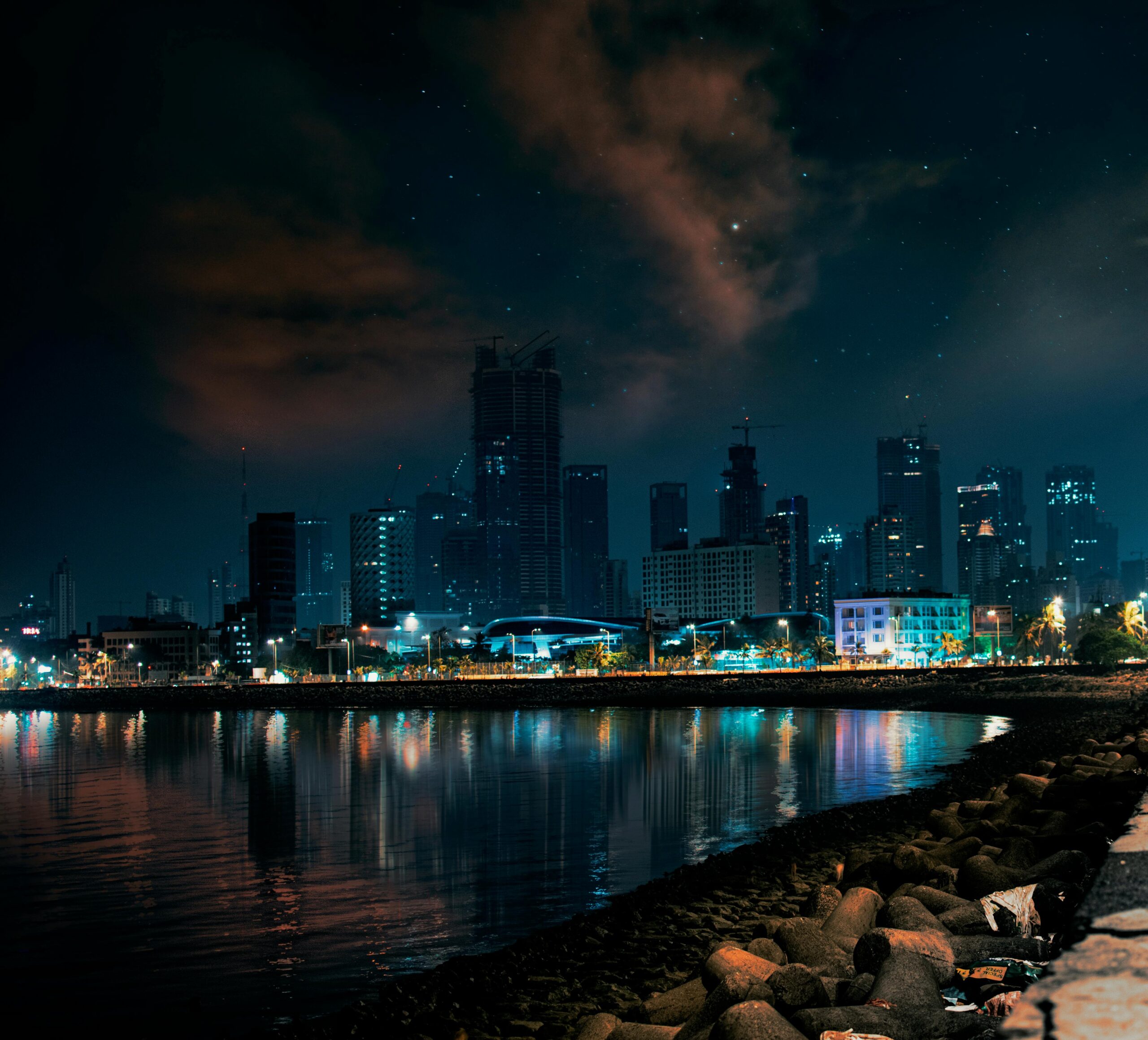
Anyone who regularly walks through Nariman Point may notice how the buildings there represent different generations of architectural thinking. One of the most recognisable towers in the district is the Air India Building.
Completed in the early 1970s, the tower quickly became a defining feature of Mumbai’s skyline overlooking the Arabian Sea. At the time, it represented the optimism of a city beginning to build vertically. Today, more than five decades later, buildings from that era quietly remind us how demanding coastal environments can be on exterior materials. Like many older towers around the world, they require ongoing inspection, maintenance, and periodic upgrades to keep their façades performing safely.
For architects and façade engineers, these aging buildings provide important lessons about long-term façade durability and the performance of exterior materials in coastal environments.
Mumbai’s marine climate is beautiful, but it can be demanding on buildings.
Salt carried by sea winds slowly settles on exterior surfaces. Moisture from humidity and rain penetrates micro-pores in façade materials. Daily temperature variations cause materials to expand and contract. Individually, these forces may seem minor. But over 15–20 years of continuous exposure, they gradually begin to test the durability of many façade materials used in coastal buildings, potentially leading to structural issues and increased maintenance costs.
Several global studies show façade material selection has become an increasingly important aspect of modern architectural design.
- Buildings are responsible for around 39% of global carbon emissions, including construction and building operations.
Source: United Nations Environment Programme - In high-rise buildings, the exterior envelope can account for 20–30% of the building’s structural load, depending on the façade material used.
- Many commercial towers undergo major façade refurbishment within 20–30 years, especially in demanding climates.
These numbers explain why architects increasingly focus on lightweight façade materials, sustainable cladding systems, and long-term durability. Modern façade design is evolving toward materials that balance aesthetics, performance, and sustainability.
Architects and façade consultants typically prioritise these characteristics because reducing façade weight lowers structural load and improves overall building efficiency.
- Lightweight Façade Systems
- Flexible Materials
Buildings move slightly due to wind loads and thermal expansion. Flexible façade systems can accommodate this movement more effectively than rigid materials.
Breathable Cladding
Façades that allow controlled moisture movement often perform better in humid coastal climates. These requirements are shaping the next generation of sustainable façade materials used in contemporary architecture.
Clay has been used in construction for thousands of years, most commonly in bricks and tiles. However, recent material innovations are allowing clay to be used in entirely new ways.
Flexura, developed by Articlad, is a patented flexible clay cladding system designed for modern building façades.
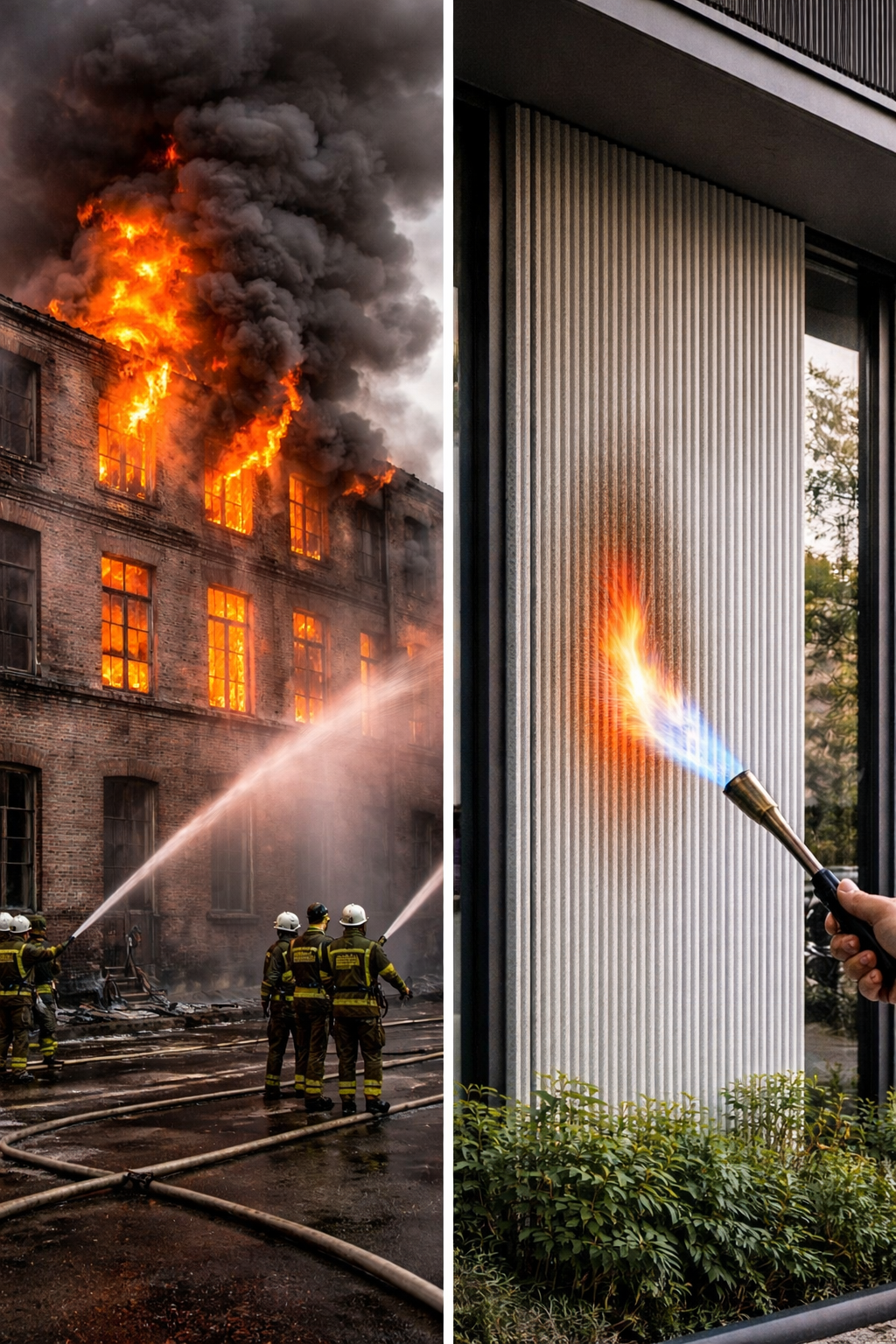
Unlike traditional rigid tiles or heavy stone panels, the system is engineered to behave differently under environmental stress.
Key characteristics include the following:
- Approximately 5.5 kg per square meter, making it a lightweight façade material
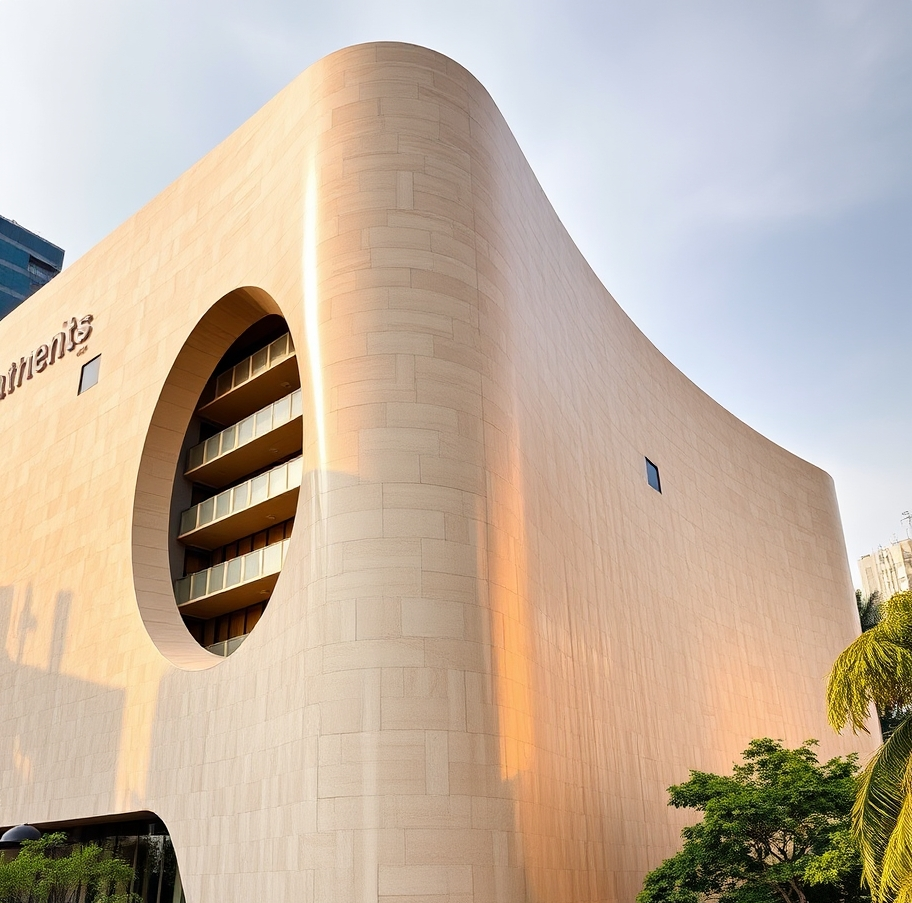
- Flexible format suitable for curved architectural surfaces
- Micro-porous breathable structure that allows the façade to breathe
- Wide range of architectural textures inspired by natural materials
By combining lightweight performance with material flexibility, flexible clay cladding offers an alternative approach to exterior façade design. Developing a futuristic view of architecture requires a blend of historical experience and knowledge.
If aging buildings in coastal cities teach us anything, it is this:
The real life of a building begins after construction. Cities like Mumbai—with their humidity, sea winds, and intense climate cycles—are constant reminders that façade materials must perform not just for a few years but for generations. Designing with that long view in mind is quietly shaping the future of architectural materials. And sometimes, the most interesting innovations come from re-imagining traditional materials through modern engineering.