Key Highlights
- Flexible cladding helps you cover a flat surface or a curved surface with one practical system.
- Flexura is a patented flexible cladding product made for modern exterior design needs.
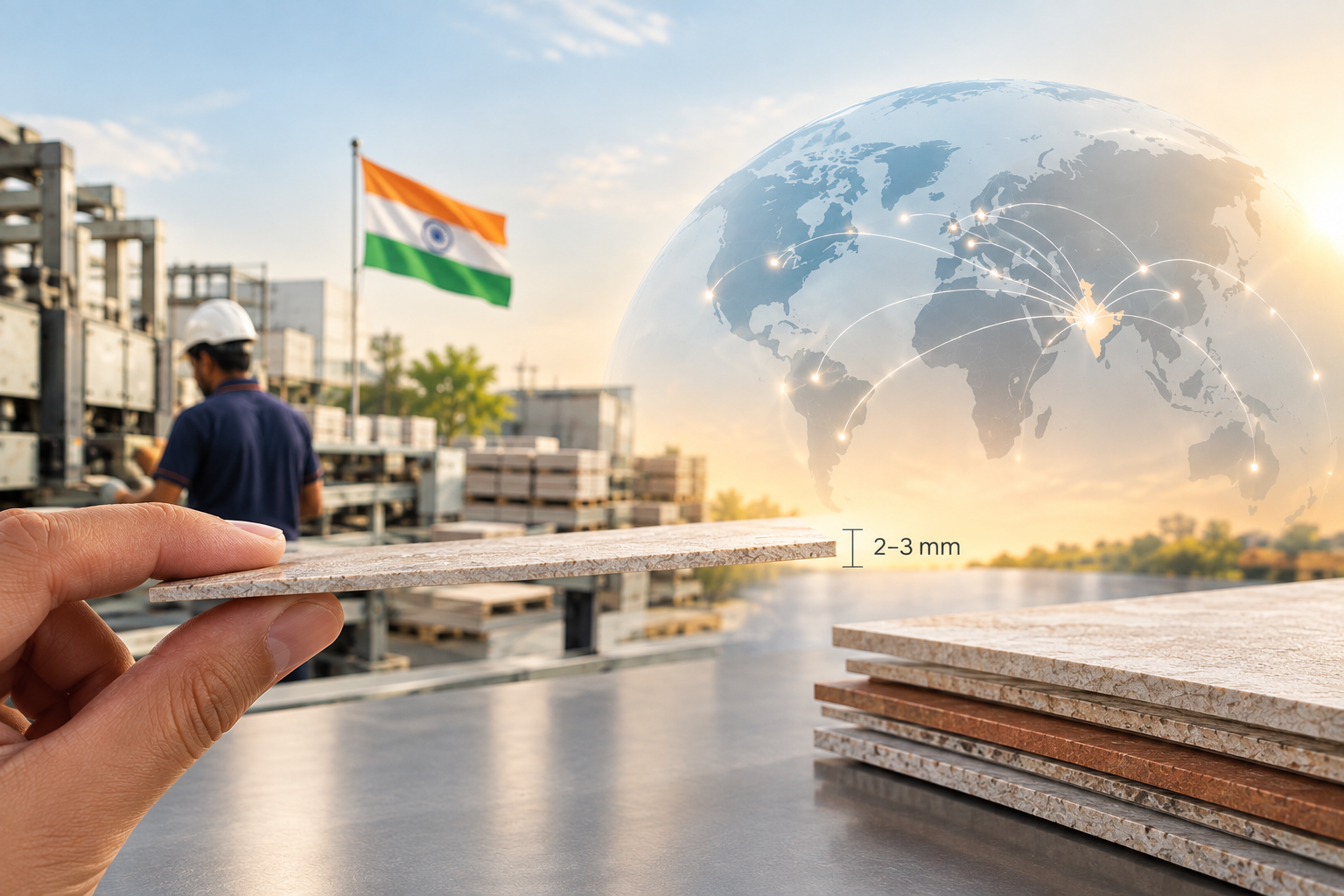
- At just 2-3 mm thick, it stays lightweight and helps reduce dead load on buildings.
- It resists water, fire, UV exposure, and algae, which supports long-term performance.
- You can install it on curved forms more easily than rigid facade options.
- This beginner guide explains key terms in simple English, almost like useful word lists.
Introduction
Flexible cladding solutions have revolutionized the architectural landscape, enabling designers to push boundaries in surface aesthetics and durability. By integrating cutting-edge materials like Flexura, builders can achieve a seamless appearance while ensuring structural integrity. This innovative approach combines aesthetic versatility and functional performance, making it a preferred choice for modern construction.
The adaptability of flexible cladding allows for creative freedom, accommodating both flat and curved surfaces effortlessly. This transformative material is not only lightweight but also offers exceptional resistance to water and fire, essential traits for longevity in diverse climates. As more architects embrace flexible solutions, understanding the potential of Flexura becomes crucial for harnessing the full benefits this material has to offer, shaping the future of architecture and construction.
Understanding Surfaces and Cladding in Construction
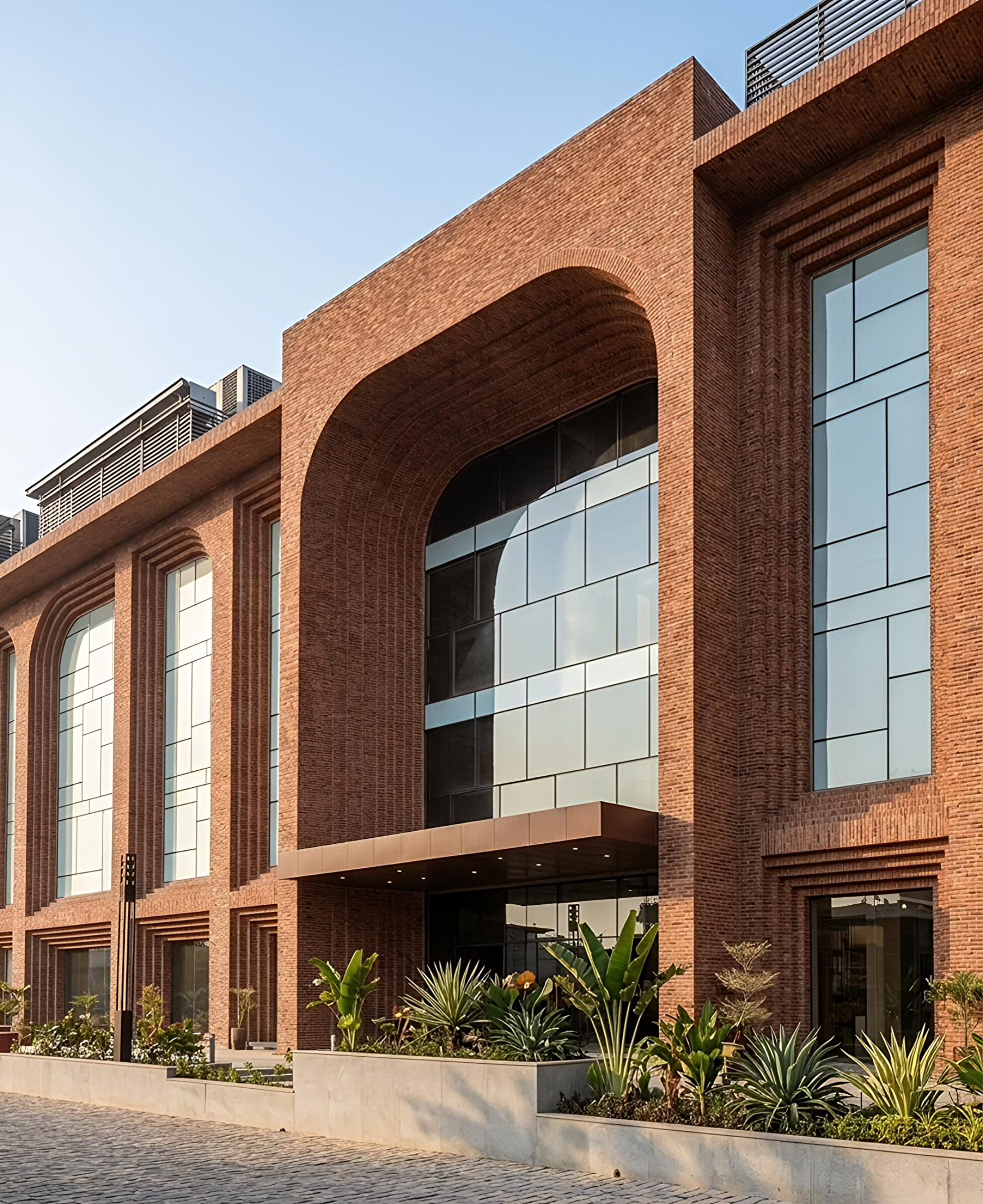
Walk through Gurgaon or Bandra Kurla Complex today and you’ll notice something: the straight-edged glass box is losing ground to curves, arches, and sculpted forms. Architects want facades that move — a lobby that flows into a column, a balcony edge that arcs instead of breaks.
Rigid cladding fights that ambition. Sheets crack at the bend, seams show, and installers end up custom-fabricating panels for every curve — expensive, slow, and rarely consistent from one project to the next.
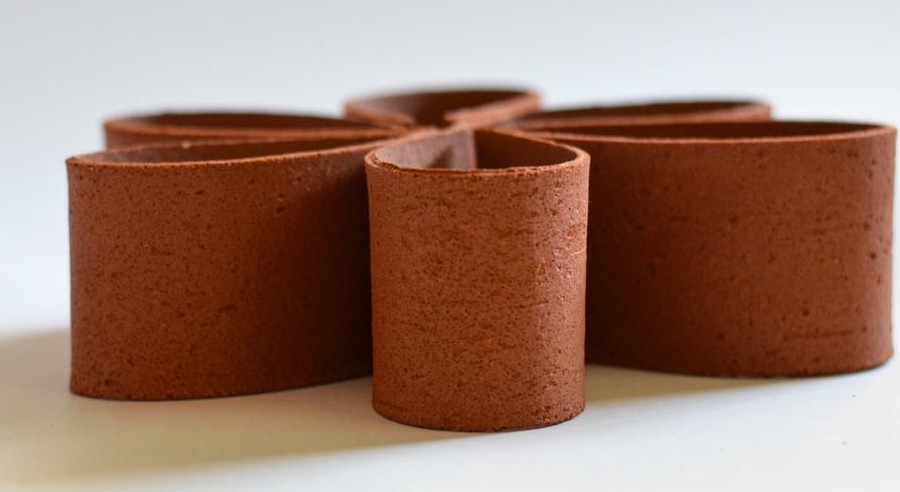
Flexible cladding solves the problem at the material level. Instead of forcing a rigid panel to fake a curve, it bends with the structure. Articlad developed Flexura for exactly this shift — Indian architecture asking for more expressive forms without giving up durability or finish quality.
The multilayered approach to surfaces and cladding plays a vital role in modern construction, serving both aesthetic and functional purposes. Various building surfaces, from traditional brick to contemporary composites, influence the architectural vocabulary. A thorough understanding of these elements supports the identification of suitable materials that enhance durability while contributing to the site’s overall beauty.
Incorporating a variety of cladding options allows architects to navigate complex design requirements, particularly for buildings in diverse climates. The interplay of natural materials’ properties, coupled with innovative solutions, ultimately shapes buildings that are not only visually appealing but also resilient to environmental challenges.
Common Types of Building Surfaces and Facades
Common building surfaces and facades are often categorized based on their shape and design. Flat surfaces are the most typical, found on modern buildings with clean, straight lines and rectangular forms. Curved surfaces are used to create a sense of movement or softness, and are commonly seen in contemporary architecture or structures aiming for a unique aesthetic. Arch surfaces incorporate rounded arches, which are often used for entrances, windows, or decorative facades, providing both structural support and visual appeal. Each of these surface types—flat, curved, and arch—has its own applications and advantages in construction and cladding design.
Role of Traditional Materials and Climate in Indian Architecture
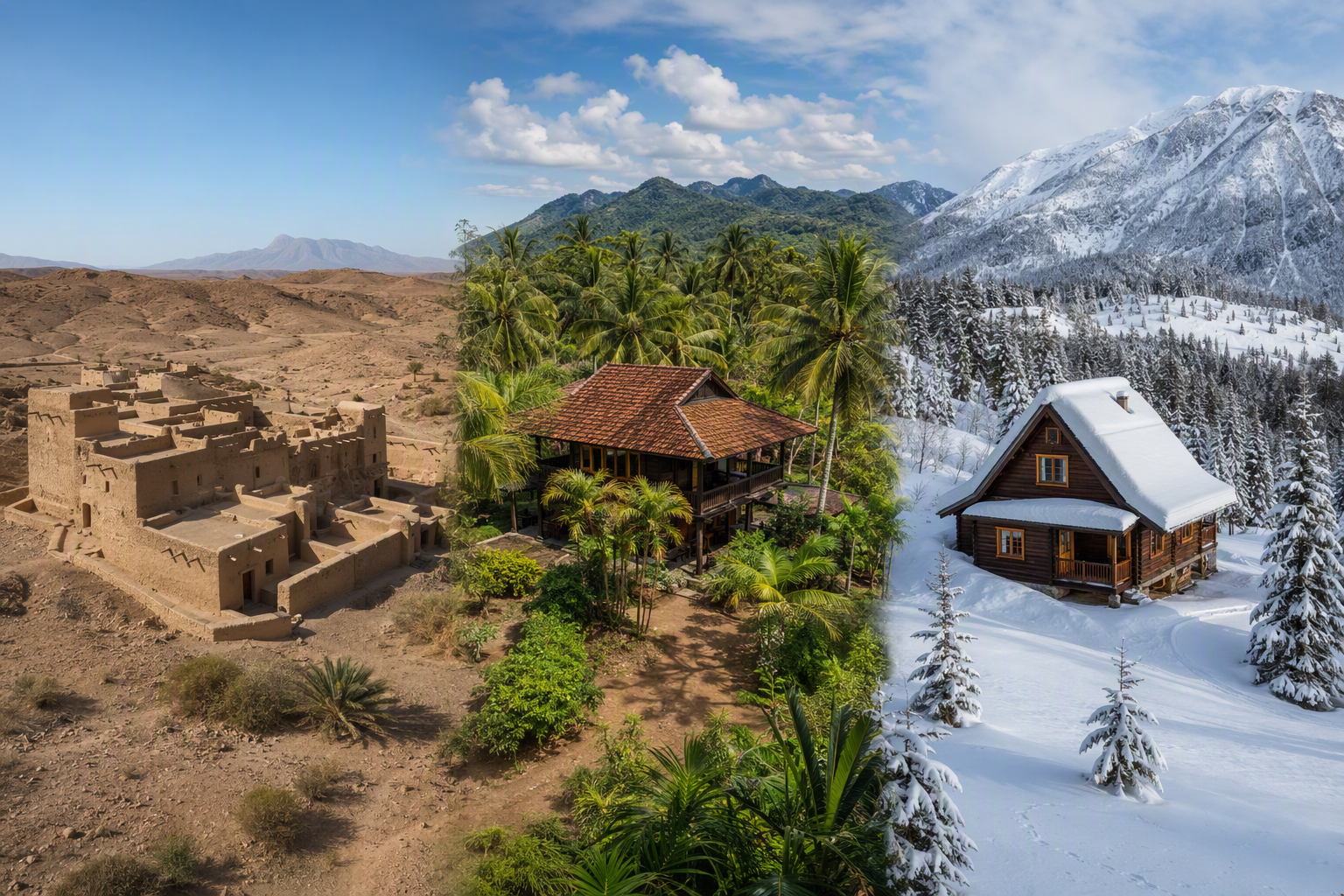
India’s building tradition runs deep. Traditional materials play a significant role in Indian architecture, particularly because of the diverse climatic conditions found across the country. Materials like clay bricks, stone, terracotta, lime plaster, and wood have been used historically, as they are locally available and respond well to the climate. Clay brick and terracotta keep interiors cool in hot regions. Natural stone holds up in areas with extreme temperature swings. Lime plaster breathes well in humid coastal cities. These materials earned their place for good reason, and they still work beautifully on flat, conventional facades.
The trouble starts the moment a design calls for a curve, an arch, or a complex geometric surface. Brick and stone are rigid by nature — cutting and fitting them around a curved form drives up labour cost, extends timelines, and often compromises the finish. Rigid composite panels have the same problem: bend them past a shallow radius and they crack, warp, or need expensive custom moulding.
That’s the gap Flexura fills. It gives architects the visual richness of brick or stone — the texture, the depth, the premium look — in a system engineered to follow curves that solid materials simply can’t. Choosing materials that suit the local climate not only improves comfort and sustainability but also ensures the longevity of the building.
Current Weather across Major Cities
Weather conditions influence not just daily activities but also architectural choices, particularly in the context of flexible cladding. Major cities showcase a diverse climate range, with factors such as humidity, temperature, frost cycles and precipitation impacting building surfaces. This variability necessitates a robust understanding of local conditions, enabling architects and designers to select appropriate materials. By factoring in real-time weather data, professionals can better plan their projects, ensuring that structures not only endure the elements but also enhance aesthetic appeal through effective façade choices.
Articlad’s façades are designed to factor in all these climate variables, providing versatile performance and durability across every environment. This adaptability makes Articlad suitable for use in any city, ensuring reliable protection and style regardless of local weather conditions.
What Makes Flexura Unique for Flexible Cladding
A learner reading a dictionary may think flexible only means easy to bend. In construction, flexible cladding means a material can adapt to shape changes while still covering the surface properly. That matters when your design moves beyond straight lines.
Flexura is unique because it brings that flexibility into a thin, practical panel system. It is only 2-3 mm thick, lightweight, and suitable for curved surfaces as well as standard walls. Additionally, Flexura stands out in the market due to its patented technology, which ensures superior adaptability compared to traditional options. The unique selling proposition (USP) of Flexura lies in its ability to conform seamlessly to complex shapes without compromising structural integrity, making it ideal for innovative architectural designs. If these are new words for you, the main idea is simple: it helps you clad forms that rigid sheets often struggle to follow.
Key Features of Flexura
Constructed with innovative technology, Flexura aka Flexible cladding offers unparalleled flexibility that allows for creative application on various structures. This cladding material is lightweight, minimizing the dead load on architectural designs while effortlessly adapting to curved surfaces. Its resistance to moisture and algae fosters durability, ensuring longevity even in challenging climates. Additionally, Flexura boasts impressive UV and fire resistance, providing enhanced safety and protection. These key features make it a versatile choice for modern building aesthetics and functionality.
Lightweight with reduced dead load
One of the standout characteristics of Flexura is its remarkably lightweight design. This feature not only simplifies handling and installation but also significantly reduces the overall dead load of the building. As a result, structures can maintain their integrity with less strain, leading to enhanced durability. The reduced weight also provides architects and builders with greater flexibility in design, enabling innovative architectural expressions without compromising safety or performance. The practicality of Flexura makes it an ideal choice for modern construction needs.
Water and algae resistant
One of the standout properties of Flexura is its remarkable water and algae resistance. This feature ensures that surfaces maintain their aesthetic appeal while significantly reducing maintenance efforts. Over time, the durability against moisture and harmful microorganisms prevents deterioration that often plagues traditional cladding materials. By combining advanced technologies, Flexura emerges as an efficient choice for architects, effectively expanding their vocabulary of construction solutions. Its resilience against nature promotes longevity and sustainability.
Curved Adaptability
Flexura’s design showcases remarkable curved adaptability, making it an ideal choice for architects seeking innovation. The flexibility of this cladding ensures seamless installation onto various contoured surfaces, enhancing aesthetic appeal and structural integrity. This feature not only supports contemporary architectural trends but also contributes to effective insulation, reducing energy costs. As a versatile solution, Flexura allows for creative expression while adhering to the practical necessities of construction, proving that form and function can elegantly coexist.
UV Resistance
Robust UV resistance is one of the defining characteristics of Flexura, empowering it to withstand the sun’s relentless rays without degrading. This feature not only enhances the longevity of building facades but also preserves color vibrancy, ensuring that aesthetic appeal remains intact. The material’s ability to deflect harmful UV radiation contributes to energy efficiency, ultimately lowering cooling costs. For builders and architects, leveraging Flexura means integrating a solution that effortlessly translates into durability against climate challenges, adding significant value to structures.
Fire resistance & building’s vulnerability to fires
Incorporating fire-resistant materials enhances a building’s overall safety profile, significantly lowering its vulnerability during a blaze. Flexura’s innovative design reflects a proactive approach, employing advanced technology to withstand high temperatures and prevent fire propagation. Utilizing a comprehensive vocabulary of fire resistance metrics, construction professionals can easily communicate the advantages of integrating such features into their projects. Adopting these principles not only ensures compliance with safety regulations but also promotes peace of mind for all building occupants, fostering a culture of safety and resilience.
Beginner’s Guide to Installing Flexura on Curved Surfaces
Installing on a curved surface can sound difficult at first. Yet with the right installation plan, the process becomes easier to understand. Rounded walls, arched forms, and curved facade bands all need careful handling, accurate measuring, and steady fixing.
This beginner section gives you step-by-step instructions in simple language. You will see what equipment helps, how to prepare the surface, and how to finish the job cleanly. Before we move into each stage, let’s start with the basic resources you should have ready.
Essential Equipment and Resources for Installation
Good installation starts with the right equipment and resources. Since a flexible surface can change direction across a facade, your tools should help you measure, cut, place, and check alignment with care. Clear planning saves time and reduces waste.
You also need a clean work area and a stable support zone. Even though Flexura is lightweight, accuracy still matters. A curved form needs attention at every stage so the sheets follow the shape without gaps or uneven edges.
Step-by-Step Guide/Process
If you want a simple guide, think of the work as a clear sequence. First, prepare the area. Next, measure carefully. Then cut the sheets and fix them in place. Last, seal and finish the surface. This basic vocabulary makes the process easy to follow.
Each step supports the next one. A poorly prepared wall can affect fixing. Inaccurate measuring can affect cutting. Weak finishing can reduce the quality of the final result. That is why step-by-step instructions matter, especially for first-time installers.
The basic process is:
- Prepare the surface so it is ready for installation.
- Measure the area and cut each Flexura sheet correctly.
- Fix the sheets onto the facade, following the curve.
- Seal joints and complete the finishing for a clean result.
Conclusion
In conclusion, Flexura stands out as an innovative solution in the realm of flexible cladding. Its lightweight design and durability make it an ideal choice for various architectural applications, especially on curved surfaces. With features like water, fire, and UV resistance alongside its algae-resistant properties, Flexura not only enhances aesthetic appeal but also ensures longevity and safety. By incorporating this remarkable product into your projects, you can achieve a seamless blend of functionality and style. If you’re curious to see how Flexura can transform your building designs, don’t hesitate to reach out for a free trial or consultation!
Frequently Asked Questions
How does Flexura handle Indian weather and climate conditions?
Flexura is designed for exterior surfaces that face demanding weather and climate conditions. Its water resistance, fire resistance, UV resistance, and algae resistance make it a practical option for projects where long-term surface performance matters. This is especially helpful when exterior forms include exposed curved areas.
Can Flexura be used on both interior and exterior surfaces?
Flexura works as cladding for exterior surfaces and can also suit interior architecture where shaped forms are part of the design. Its key benefit is flexibility, which helps it adapt to both flat and curved surfaces more easily than rigid materials in many applications.
What is the difference between flexible cladding and traditional facade materials?
Flexible cladding is made to adapt to changing shapes, while traditional facade materials are often associated with longer-used methods and may be less suited to curves. Flexura is lightweight, thin, and easier to install on shaped surfaces, which gives it a practical edge on modern facade designs.
Is Flexura suitable for homes with curved architectural designs?
Yes, Flexura is well suited for homes with curved architectural design. Its thin 2-3 mm profile and flexibility help it fit a curved surface more easily, while its lightweight nature reduces dead load. That makes it a strong option for residential designs that move beyond flat walls.