Understanding Glass Fibre in Modern Materials
Glass fiber is a distinct material, not one of the common types of plastic you use every day. It starts as glass made from mineral-based raw materials, then gets formed into very fine filaments. On its own, it is not a plastic.
Things change when glass fiber is embedded inside a composite material. In that setup, the matrix and the fibre work together to improve mechanical properties, support high strength, and shape how the finished part performs. That distinction is key before looking at cladding in more detail.
What Is Glass Fibre?
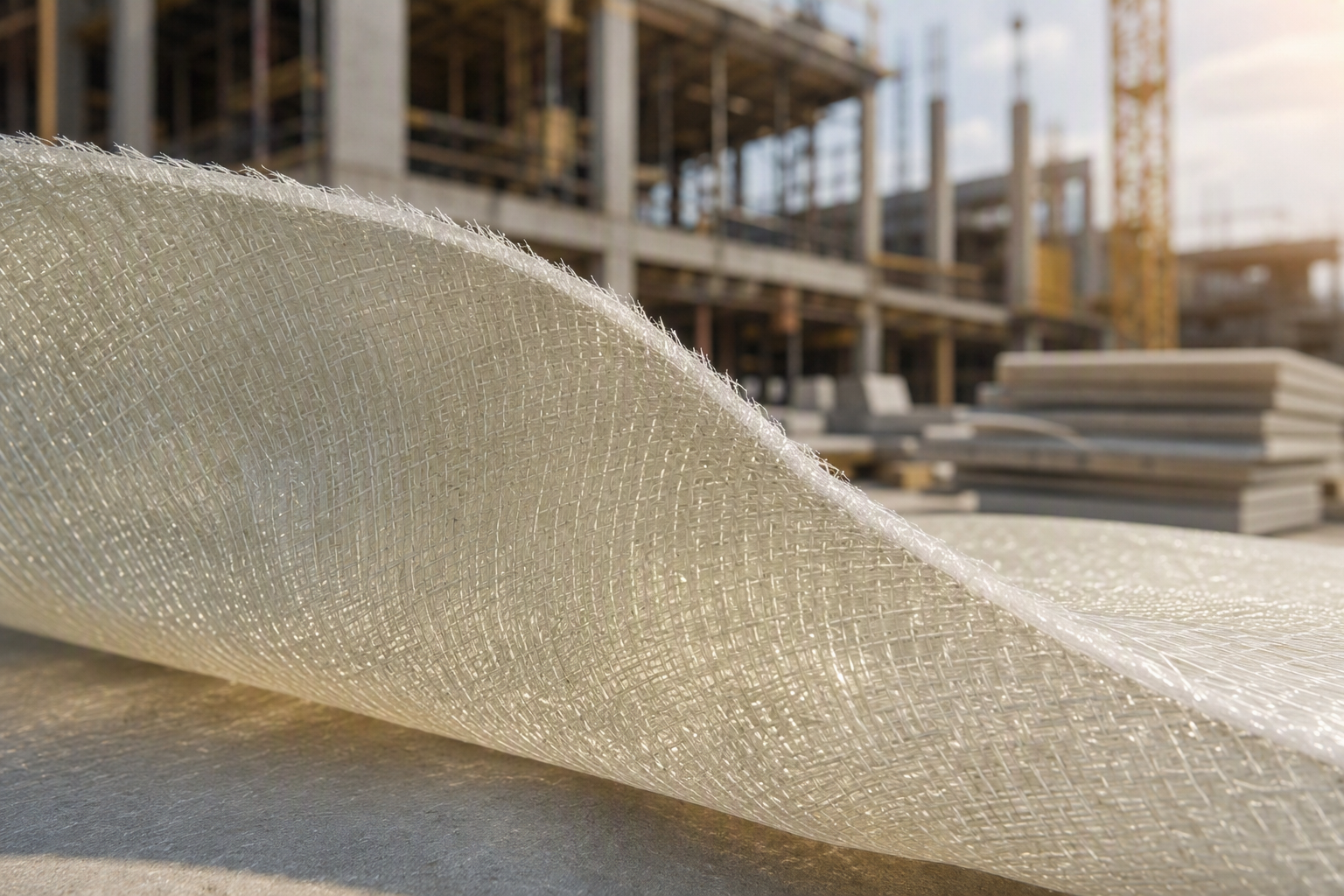
Glass fiber is made from mineral raw materials such as silica-based ingredients that are melted at very high heat and drawn into thin filaments. Those filaments are much finer than standard glass forms, which is why they can be collected into strands, mats, cloth, or other reinforcement formats.
Because it begins as glass, glass fiber is different from plastic materials. It is not a polymer and does not belong to the usual types of plastic. Instead, it acts as a reinforcement material when combined with a matrix. That is why people often confuse it with fiberglass material, which is a composite rather than the fibre alone.
You’ll find glass fiber processed into a variety of shapes for industrial products. It can support insulation properties in some uses and chemical resistance in others, depending on how it is manufactured and what it is combined with. So, is glass fibre the same as plastic? No. It is a different material that often works with plastics or other matrices.
How Glass Fibre Differs from Traditional Plastics
Traditional plastics are polymer-based materials. Think of the different types of plastics used in molded parts, sheets, or everyday products. These materials can be shaped easily, but their performance depends on the polymer itself unless a reinforcement is added.
Glass fiber works differently. It is a non-polymer reinforcement that improves mechanical properties when placed inside a matrix. In many systems, the matrix holds the shape and transfers loads, while the fibre increases stiffness, tensile performance, and resistance to deformation. That means the fibre and matrix do different jobs.
Key Properties of Glass Fibre Relevant to Cladding
For cladding, you need a material that can do more than just cover a surface. It has to stay reliable under loading, movement, and exposure. Glass fiber stands out because it supports high strength without adding much bulk.
Its value comes from a set of performance traits that improve the final composite when the matrix and fibre bond well. In thin architectural skins, these traits help balance flexibility with structural support.
- High tensile strength helps the material resist pulling forces.
- Heat resistance supports stability in demanding outdoor conditions.
- Resistance to chemical corrosion helps in harsh environments.
- Useful insulation properties can support thermal or electrical insulators in some applications.
These advantages explain why glass fiber reinforced systems can outperform many unreinforced plastic products. The benefit is not just strength alone. It is the full combination of properties working together in the right cladding design.
The Science Behind Glass Fibre = Plastic Composites
When people say glass fibre equals plastic, they usually mean a reinforced composite material made by combining glass fiber with a matrix such as synthetic resin. The fibre adds support, while the matrix binds the system together and transfers loads.
That partnership is what allows the composite to handle tensile forces better than the matrix alone. In many industrial products, the matrix may be polyester, vinyl ester, or epoxy resin. To understand why this matters in cladding, it helps to define GFRP first, then look at why fibre layout affects performance.
Definition of Glass Fibre Reinforced Plastic (GFRP)
Glass fiber reinforced plastic, often shortened to GFRP, is a composite material made from two main parts. The first part is glass fiber, which acts as the reinforcement material. The second part is a matrix, usually a synthetic resin or another binding phase that surrounds the fibres.
The matrix holds the form, protects the fibres, and transfers force across the part. The fibres provide extra strength and stiffness. If you remove the reinforcement, the matrix is usually much weaker on its own. If you remove the matrix, the fibres cannot act as a stable part.
That is why GFRP is not just “plastic with some filler.” It is a designed system in which each component has a specific role. In practice, glass fiber reinforced plastic can be made with different fibre lengths, different weaves, and different resin systems depending on the application.
Role of Distribution and Orientation of Fibres in Composites
Not all reinforced composites behave the same way. A major reason is fibre distribution and orientation. If glass fiber is aligned with expected tensile forces, the composite can resist stretching much more effectively. If the fibres sit in less useful directions, performance drops. This matters a lot in thin cladding. Continuous fibres arranged in planned directions can support load paths, reduce weak zones, and improve how the panel flexes. Poorly distributed reinforcement material can leave areas under-supported, increase the risk of debonding, or create inconsistent behavior across the surface.
So how does fibre distribution impact the flexibility and strength of cladding? It decides where the panel is stiff, where it can bend, and how evenly stresses move through the material. Good design does not use fibres randomly. It places them where the final product needs them most.
The Manufacturing Process of Flexible Cladding with Glass Fibre
Performance is shaped long before installation. The manufacturing process determines how raw materials are selected, how fibres are positioned, and how bonding develops inside the sheet or panel. That affects strength, flexibility, and surface consistency.
Across composites, the production process may involve open molds, compression methods, pultrusion, or resin transfer moulding. Each route changes the final product in different ways. For flexible cladding, the challenge is to create thin, lightweight forms while keeping fibre placement controlled and the matrix fully integrated.
Selection of Raw Materials and Processing Steps
Every successful composite starts with the right raw materials. In conventional FRP systems, that often means glass fiber plus a matrix chosen from different types of plastics, such as polyester, vinyl ester, or epoxy-based systems. The selection affects curing, strength, and long-term durability.
The manufacturing process then brings those materials together through controlled chemical processes. Dry fibres may be laid into a mold and wetted with resin, or resin may be injected under pressure. In other cases, fibres are pulled through resin and formed continuously. The goal is always the same: full saturation, proper bonding, and repeatable shape.
Key steps in the production process often include:
- choosing the fibre format, such as mats, fabrics, or continuous strands
- selecting the matrix system based on required performance
- placing fibres in the mold or forming setup
- curing and shaping the composite into the finished part
If these stages are handled well, the result is a stronger and more reliable component.
Creating Thin and Lightweight Sheets: The Flexura Example
Thin cladding is not just a design preference. It changes transport, handling, and installation. To make very slim panels work, the material needs enough internal support to resist damage without becoming bulky. That is where reinforcement strategy becomes important.
Flexura shows how this idea can be applied in a different way. Rather than copying standard plastic sheets, it uses glass fiber within an unfired clay-based matrix to create a lightweight architectural cladding material. The result aims for low weight, controlled flexibility, and reliable mechanical properties in a thin format.
That does not mean glass fiber is only useful in one product, or that flexible cladding uses it in only one way. It means Flexura applies established composite principles to a clay-based system engineered for architecture. The focus is not on thickness alone. It is on how the full material system performs as one.
Importance of Fibre Distribution and Bonding During Production
During production, fibre distribution is not a small detail. It is one of the main reasons one panel performs well and another fails early. Even with the same ingredients, poor placement or weak bonding can create weak spots, uneven stiffness, or reduced crack control.
Different methods manage this in different ways. In resin transfer moulding, resin is driven through a pre-placed fibre setup, so full wet-out matters. In filament winding, fibre angles are controlled through winding patterns. Both show the same lesson: reinforcement material must be positioned with purpose and bonded consistently to the matrix.
For cladding, this directly affects both flexibility and strength. If fibres cluster, leave gaps, or debond from the matrix, loads are not shared properly. A careful production process keeps the panel balanced, helping it bend where needed while still holding together under service conditions.
Comparing Glass Fibre and Fiberglass
These terms are often used as if they mean exactly the same thing, but they do not always point to the same thing. Glass fiber usually refers to the fine glass filaments themselves. Fiberglass material often refers to a finished composite or a commercial product made from those fibres.
That difference matters when you compare materials, manufacturing routes, and performance. Once glass fiber is combined with matrix systems, including some types of plastic, it can take on a variety of shapes and functions. The next sections make those distinctions clearer.
Etymology and Origin of the Terms
The language around these materials has a long history. Early work on plastics and reinforced systems goes back to figures such as Leo Baekeland, whose Bakelite became an important starting point in synthetic plastic development. Later advances in glass strand production and resin technology helped create what people would recognize as fiberglass material.
In American English, “fiberglass” is the common spelling for the finished reinforced product. In other regions, including parts of the European Union, you may see “glass fibre” or “fibreglass” used more often. The spellings change, but the technical distinction still matters.
So what are the main differences between glass fibre and fiberglass? Glass fiber points to the reinforcement itself. Fiberglass material often means the composite made from those fibres plus a matrix. One is a component. The other is usually the finished system or product category.
Performance and Application Variations
Once glass fiber becomes part of a reinforced composite, its application range grows quickly. The fibre by itself is not usually the installed product. The finished fiberglass material is what shows up in buildings, transport, marine uses, and other sectors.
That happens because the matrix and the fibre work together to create mechanical properties suited to specific demands. Manufacturers can tune stiffness, strength, shape, and surface finish based on the production method and design target. This makes the material useful across various industries.
Common uses of glass fibre reinforced plastics include:
- construction components and cladding systems
- marine, automotive, and transport parts
- pipes, tanks, and other industrial products
So, what are the common uses of glass fibre reinforced plastics? They span a wide range of applications where low weight, durability, and tailored performance matter more than using plain plastic alone.
Matrix Materials: The Role of Unfired Clay
Not every reinforced system uses a polymer resin as the matrix. In Flexura, the matrix is based on unfired clay, which changes how the material should be understood. Glass fiber still acts as the reinforcement material, but the surrounding phase is mineral-based rather than a standard plastic.
That shift matters because matrix choice shapes bonding, flexibility, and production behavior. As with any manufacturing process, raw materials must work together as a complete system. In this case, clay helps define how the fibre network contributes to cladding performance.
How Clay Supports Fibre Distribution and Flexibility
Unfired clay does more than fill space around the fibres. In a composite material, the matrix controls spacing, load transfer, and how stresses move through the part. That means clay plays an active role in fibre distribution, not just a passive one.
When the manufacturing process is controlled well, the clay-based matrix can help keep the fibre network separated and spread across the sheet. This matters because clustered fibres or empty zones lead to uneven behavior. Better distribution supports more consistent flexibility and reduces the chance of weak local areas.
So why add glass fibre in a clay system? Because the clay gives form and continuity, while the fibres help carry stress and limit damage. The result is a material that can bend more usefully than plain brittle sheet materials, while still retaining the surface and character benefits of a clay-based product.
Integration of Glass Fibre with Clay for Enhanced Strength
A clay matrix on its own can be vulnerable if used in a thin architectural format. Adding glass fiber changes that by introducing a reinforcement phase that can help manage tensile stress and cracking. The benefit depends on how well the fibre and matrix are integrated.
In practice, enhanced strength does not come from the fibre alone. It comes from the composite material acting as one system. Good spacing, sound bonding, and planned orientation help the unfired clay transfer loads into the reinforcement without creating stress concentrations.
Key effects of good integration include:
- improved crack resistance in thin sections
- stronger overall mechanical properties
- better balance between stiffness and flexibility
This is also the answer to a common question about cladding strength. Yes, flexible cladding can be stronger when glass fiber is used well, but only when fibre distribution and bonding are controlled from the start.
Key Features of Flexible Cladding Using Glass Fibre
Flexible cladding has to satisfy several demands at once. It needs to be thin, manageable, durable, and shaped for design intent. When glass fiber is introduced as part of a composite material, those goals become easier to balance.
That does not make every panel identical. Performance still depends on matrix choice, fibre layout, and manufacturing quality. Still, the use of glass fiber opens a wide range of possibilities for flexible cladding by improving low weight handling, shape adaptability, and dependable strength in service.
Lightweight and Thin Structure Advantages
A thin structure can only succeed if it remains stable during transport, fixing, and use. Standard plastic sheets may be easy to form, but they do not always deliver the same support under stress. Reinforcement changes that equation.
With glass fiber, a sheet can stay lightweight while gaining better internal resistance to stretching and distortion. That gives it a stronger strength-to-weight profile than many plain sheet materials. In practical terms, low weight can also make site work simpler and reduce handling strain.
Benefits often include:
- easier lifting and positioning
- reduced load on supporting structures
- more confidence in slim panel formats
So how is a glass fibre reinforced plastic sheet different from a standard plastic sheet? The key difference is internal reinforcement. One relies mainly on the matrix. The other uses fibres to improve performance without depending on added thickness alone.
Flexibility and Conformability in Architectural Design
Architectural surfaces are not always flat. Designers often need cladding that can follow curves, transitions, or subtle changes in form. A rigid panel can limit that freedom. A more adaptable reinforced sheet can expand what is possible.
Glass fiber helps because reinforcement can be designed to support movement without immediate failure. When matched with a suitable matrix and controlled fibre layout, the panel can achieve flexibility while keeping enough integrity for building use. That makes it suitable for various shapes and changing surface conditions.
In architectural design, that means a wider design language. You can work with different shapes, lighter envelopes, and more expressive skins without relying only on heavy conventional panels. Flexible cladding use with glass fiber is valuable not because it bends at any cost, but because it bends in a controlled and useful way.
Strength and Durability Compared to Conventional Cladding
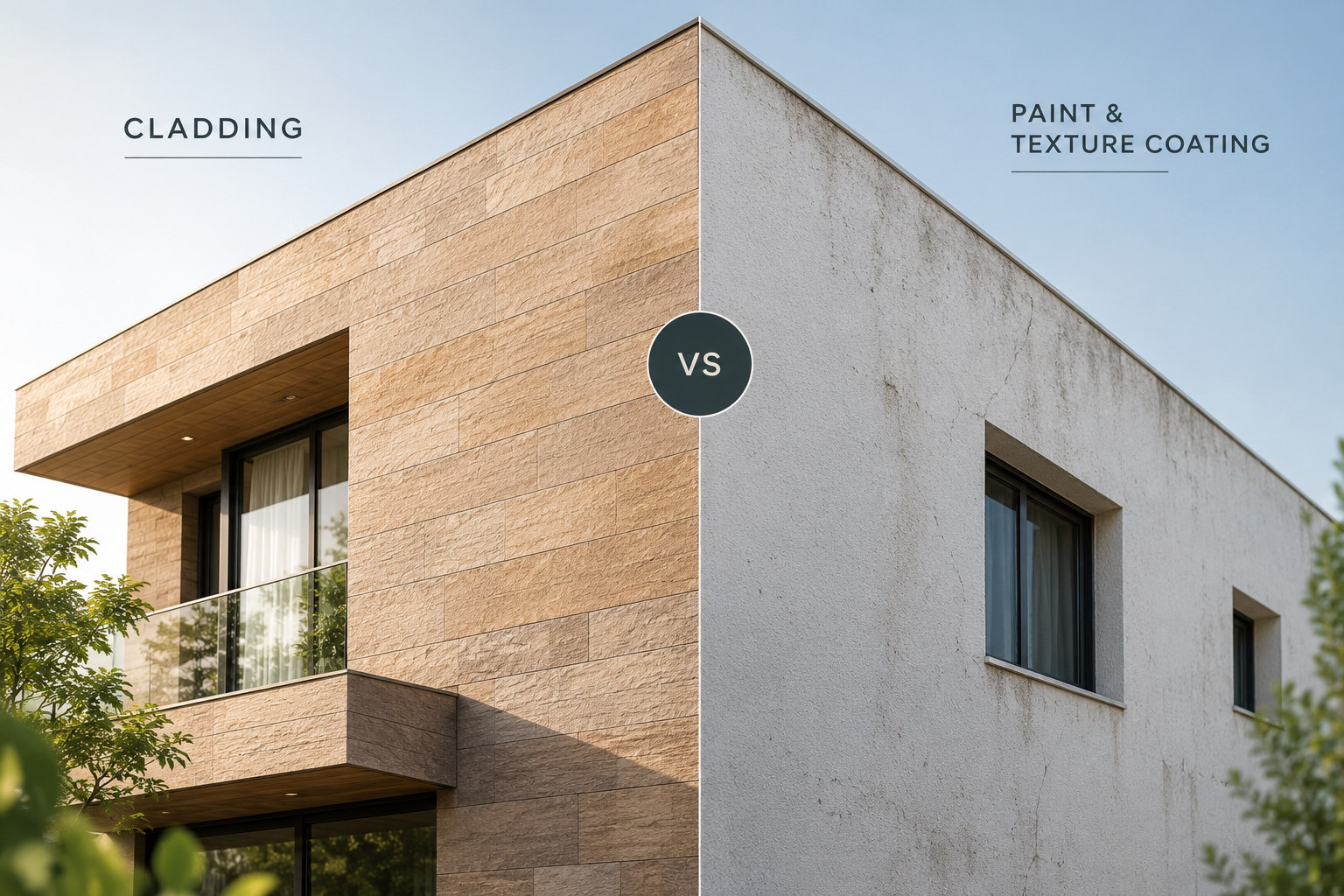
Conventional cladding can do the job well, but it may also bring extra weight, brittleness, or limits in shape and handling. Reinforced systems aim to improve that balance. By adding glass fiber, designers can create panels with better strength and more reliable durability at lower mass.
The key advantage lies in improved mechanical properties. Reinforcement helps the panel resist tensile stress, reduce cracking risk, and stay more stable under service demands. Depending on the full material system, chemical resistance can also support use in challenging environments.
What advantages does glass fibre reinforced plastic have over traditional plastics? It offers higher strength, better stiffness, and a more useful strength-to-weight ratio. In cladding terms, that often means a panel that lasts longer, handles stress better, and supports thin architectural expression without feeling fragile.
Common Applications of Glass Fibre Reinforced Flexible Cladding
Glass fiber reinforced systems appear across many sectors because their performance can be tuned for different conditions. In cladding, that translates into product families designed for appearance, handling, and technical reliability. The result is a wide range of applications rather than one fixed use.
You can see this in product ranges developed for architecture and construction, where lightweight panels support modern facades and interior surfaces. As with other reinforced materials used in various industries, success depends on matching the material system to the job.
Suitability for Modern and Sustainable Architecture
Modern architecture often asks more from materials. You may need lighter building envelopes, cleaner detailing, and surfaces that work with curved or complex forms. A reinforced composite material can support those needs without depending on heavy traditional assemblies.
There is also growing interest in sustainable architecture. While reinforced materials bring known questions around recycling and end-of-life handling, they can also reduce weight, improve longevity, and lower replacement frequency. In some systems, waste may even be redirected into cement production, which connects to broader circular economy thinking.
In that context, glass fiber reinforced cladding can fit projects looking for performance and material efficiency together. The relevance is not tied to one product name. It comes from how reinforcement, matrix choice, and service life align with the goals of contemporary design and building practice.
Examples of Large-Scale Projects Utilizing These Materials
Large scale projects often favor materials that lower handling demands while still offering reliable performance. Reinforced systems have already proven useful across a wide range of industries, from transport to infrastructure. That broad track record helps explain their appeal in facade and enclosure work. The compiled information points to fiberglass material being used in construction, marine, automotive, aerospace, structural strengthening, and industrial products. Those are not all cladding examples, but they show how the same performance logic supports various applications at scale.
Examples of project contexts using these materials include:
- structural building and bridge reinforcement
- transport components where low weight matters
- industrial tanks, pipes, and support systems in different shapes
For architecture, the lesson is clear. Materials that perform well in demanding, large-format conditions can also support cladding systems where scale, shape, and long-term reliability matter.
Advantages of Glass Fibre Reinforced Plastics over Traditional Cladding
Compared with many traditional cladding options, reinforced systems offer a different balance of weight, strength, and shaping potential. A glass fiber based composite material can be engineered to provide high strength without relying on heavy section depth.
That matters when you want panels that install more easily and keep performing in service. Depending on the system, chemical resistance and longer life can also improve suitability for exposed conditions. The next points break those benefits into strength, environmental performance, and installation value.
Enhanced Strength and Crack Resistance
One of the clearest benefits of reinforcement is how it changes failure behavior. A plain matrix may crack more easily when stretched or stressed. Add glass fiber, and the material gains a way to carry tensile loads more effectively and limit damage spread. This improves both strength and crack resistance, especially in thin formats where unreinforced sheets can be vulnerable. Better mechanical properties do not mean the material becomes indestructible. They mean it can manage stress in a more controlled way and resist sudden weakness better than many plain alternatives.
Typical improvements include:
- higher tensile performance
- reduced tendency toward brittle cracking
- more dependable behavior in thin sections
That is why glass fiber reinforced systems are often chosen when high strength must be paired with a slim, practical cladding format.
Cost-Effectiveness and Lightweight Installation Benefits
Cost is not only about purchase price. It also includes transport, handling, labor, and the number of supporting elements a system needs. Because reinforced panels can offer strong performance at low weight, they often create savings beyond the material itself.
The installation benefits are practical. Lightweight parts are easier to move, easier to position, and may reduce manual handling risk. Low weight can also lessen demands on substructures and simplify logistics on site. Those factors contribute to overall cost-effectiveness even before long-term maintenance is considered.
This is another reason a glass fibre reinforced sheet differs from a standard plastic sheet. The value comes from the full production process and final performance profile, not from appearance alone. Reinforcement allows a thinner, lighter part to do work that might otherwise require more material or more support.
Conclusion
In summary, glass fibre combined with unfired clay offers a revolutionary approach to flexible cladding that’s both lightweight and durable. The unique properties of glass fibre, along with the matrix support from clay, create a material that excels in architectural applications. Its flexibility, strength, and resistance to environmental stress make it an attractive option for modern and sustainable architecture. By understanding the intricate details of glass fibre and its manufacturing processes, architects and builders can make informed decisions that enhance the aesthetic and functional qualities of their projects. If you’re interested in exploring how these innovative materials can transform your designs, don’t hesitate to reach out for a consultation!
Frequently Asked Questions
Is glass fibre the same as fiberglass or plastic?
No. Glass fiber is the reinforcement itself. Fiberglass material usually means a composite material made by combining glass fiber with a matrix. It is also not one of the usual types of plastic or standard plastic materials, even though plastics are often used as the matrix in reinforced systems.
Why is glass fibre used in flexible cladding products like Flexura?
Glass fiber is used in flexible cladding such as Flexura because it helps improve high strength and key mechanical properties without adding much weight. When distributed well inside the matrix, it supports thinner panels, better crack control, and a useful balance between flexibility and structural reliability.
How does fibre distribution impact the flexibility and strength of cladding?
Fibre distribution affects how evenly a composite material carries stress. Good fibre distribution improves strength, supports controlled flexibility, and creates more reliable mechanical properties across the panel. Poor distribution can leave weak spots, uneven stiffness, and a greater risk of cracking or debonding in service.