The Rise of Made in India Manufacturing in Architectur
Introduction
Manufacturing success in architecture is no longer only about scale. It is about smarter materials, better finishes, and reliable durability. Across new builds and renovation work, products linked to manufaturarindia are showing how thoughtful design and strong production standards can shape walls, facades, and feature spaces with lasting value. If you want surfaces that look refined yet stay practical, today’s brick cladding, stone cladding, and flexible systems offer real choices for both residential and commercial projects.
Made in India architecture products are gaining attention because manufaturing now combines traditional material character with modern performance. For you, that means easier access to brick cladding, Flexible cladding , and stone-style finishes that work across interior spaces and exterior facades.
This shift also supports sustainability through durable, low maintenance surfaces that reduce repeated replacement. If you are asking where to buy authentic brick cladding online or where to find authentic Made in India brick cladding options in the US, the strongest path is to look for specialized cladding suppliers with clear product details, samples, and support. That growing confidence sets up the innovations behind these systems.
How Indian Companies Are Innovating with Material Technology
What is driving this change? Material innovation. Indian companies are producing cladding products that answer both design and installation needs. You can now choose thin brick slips, clay-based finishes, and lightweight systems that create the visual depth of masonry without the mass of full brick construction.
At the same time, the wider cladding market shows how innovation works across categories. Architects already use copper, zinc, mesh, and other facade materials when they want different levels of reflectivity, texture, and functionality. Brick, flexible cladding and stone-inspired products are advancing in that same direction, with formats built for faster handling and cleaner application.
Flexible cladding options are part of this progress. Yes, they can replicate real brick or stone in visual effect when they use authentic surface layers or carefully developed veneer systems. Some flexible stone wall cladding even use real stone composite technology, giving you authentic texture with less weight and more design freedom.
Setting Global Standards in Design and Durability
Strong products do more than look good. They meet global standards by balancing durability, visual consistency, and installation reliability. For homeowners, builders, and designers, that matters because exterior walls need to handle weather, moisture control, and daily wear without losing their character.
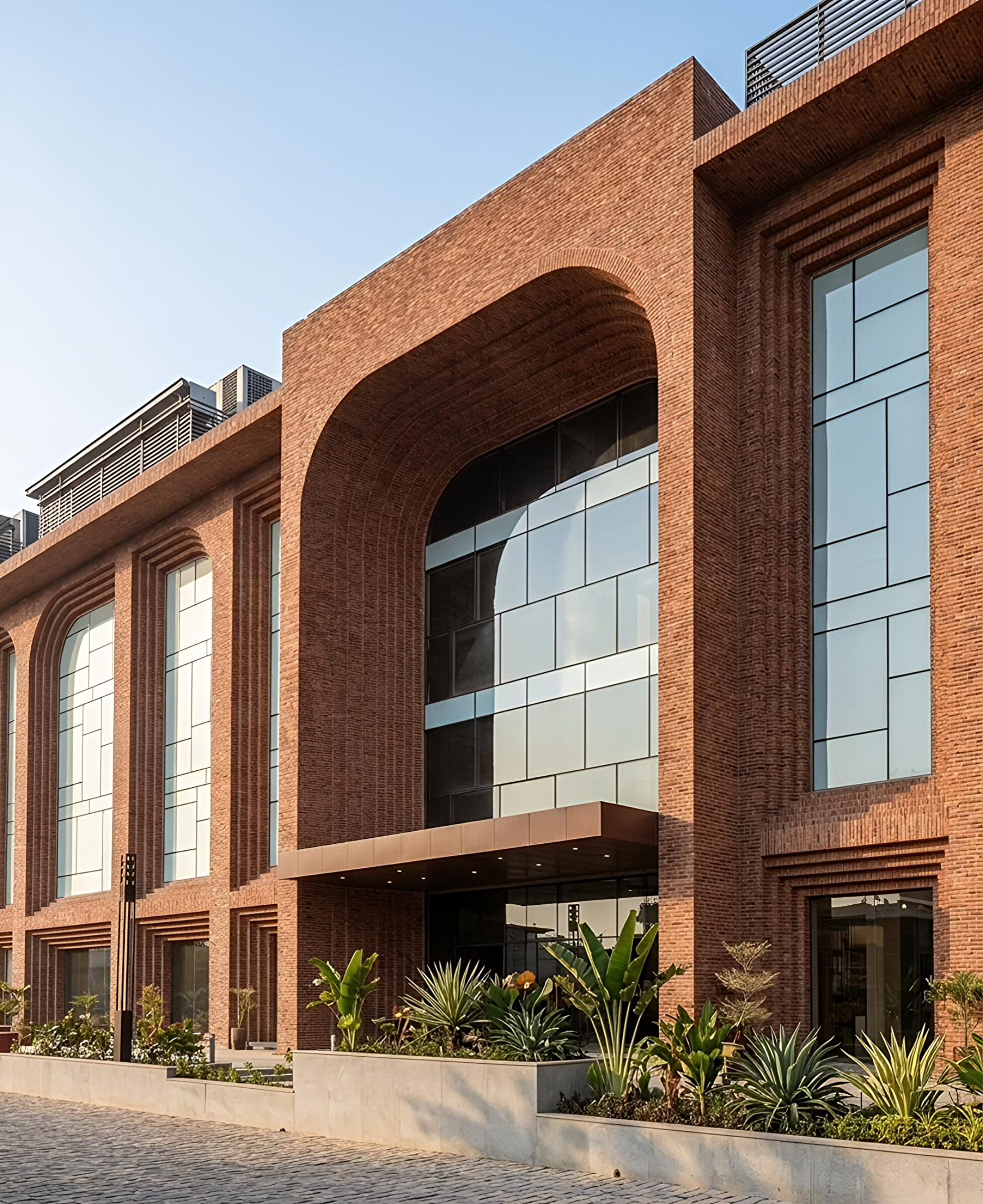
Brick cladding on exterior walls offers several clear benefits. It adds weather resistance, supports insulation and sound control, improves appearance, and gives you the charm of brick without the burden of full-depth masonry. Because many systems are thin and lightweight, they can also reduce structural stress and help speed up installation.
Pricing varies by product format and complexity. Loose individual pieces, and detailed layouts usually need more labor and time manufacturing than panel systems. That is why lightweight brick cladding pieces and stone cladding pieces are so appealing for easy installation. They help you achieve a polished finish while keeping timelines and handling more manageable.
Leaders in Flexible Cladding Solutions
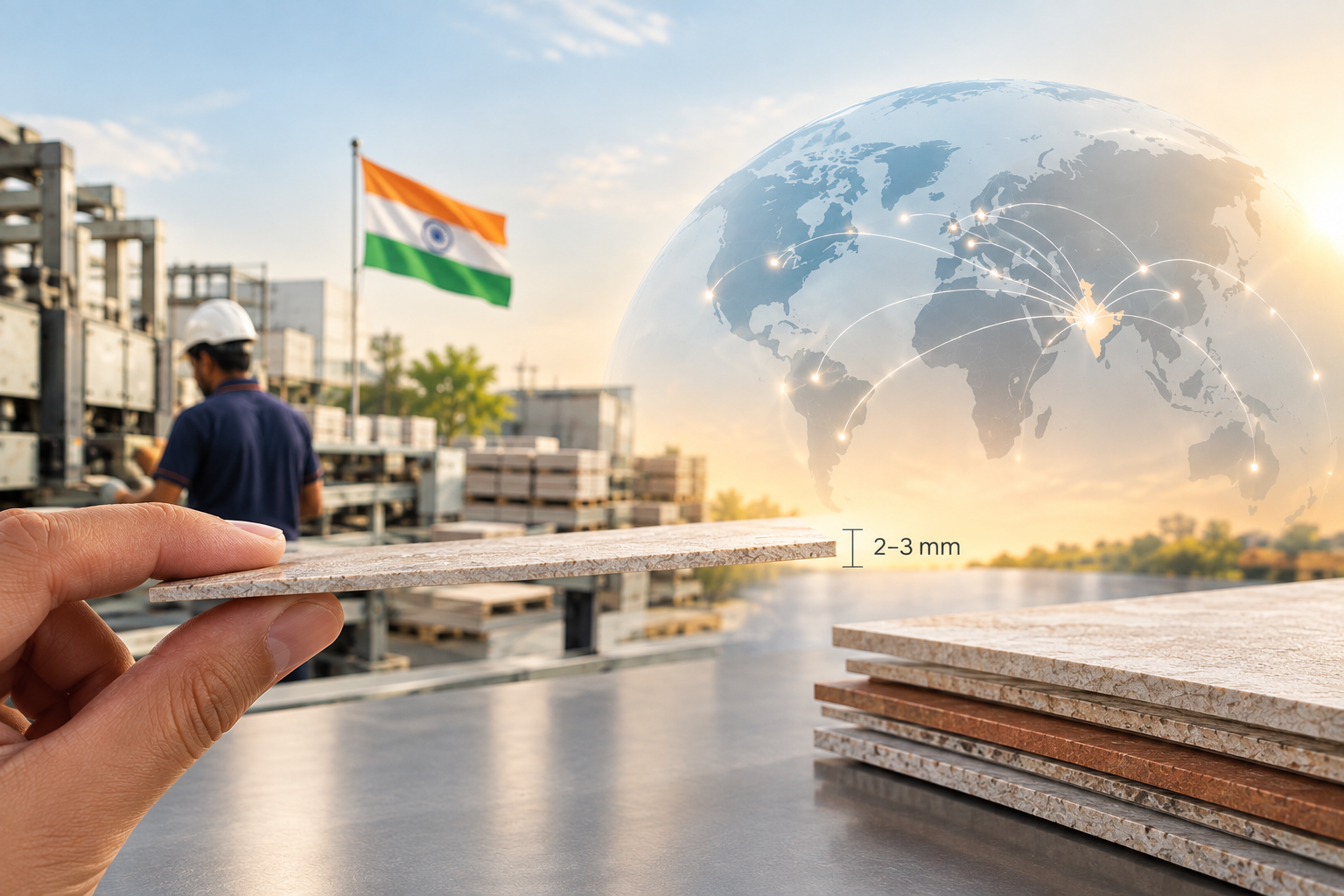
Flexible cladding is leading a major shift in wall design because it makes premium finishes more accessible. Instead of relying only on heavy masonry, You can now use Flexible cladding designed to recreate the authentic beauty of natural marble and stone, delivering a strong visual impact with less labours, easier transportation, and greater installation flexibility.
That matters most when proper installation and substrate limits are part of the project. Flexible cladding can replicate the look and texture of real marble and natural stone, offering the same premium aesthetic with greater flexibility and versatility.
authentic texture, surface variation, 3-4 mm thin and lighter construction. From there, the real question becomes where and how these materials perform best in everyday spaces.
Applications for Interior and Exterior Spaces
Brick cladding is a thin brick layer used in building design to improve appearance while also supporting weather resistance, thermal performance, and sound insulation. Yes, brick cladding is suitable for both indoor and outdoor applications when matched to the right conditions. Interior spaces benefit from warmth and character, while exterior facades gain a durable finish with authentic texture. Some systems are also designed to perform well in high humidity areas.
Common uses include:
- Living room and bedroom feature walls
- Fireplace surrounds and accent areas
- Exterior facades, entryways, and columns
- Restaurants, offices, and retail interiors
- Renovation projects where reduced weight matters
Because these materials can be applied over prepared wall surfaces with adhesive, they give you more design flexibility without losing the familiar look of brick or stone cladding.
Advancements in Lightweight Brick Cladding product and stone cladding
One of the biggest advances in cladding is reduced weight. Lightweight brick cladding and stone cladding products are easier to transport, easier to handle on site, and better suited to renovation work where extra structural load is a concern. That gives you more freedom in both new builds and retrofits.
cladding formats have moved this even further. Stone cladding and stacked systems are manufactured for more precise installation, while thin brick products can be fixed with adhesive directly to prepared surfaces. This can cut labor time compared with traditional masonry and helps create clean, repeatable results.
Maintenance is another reason these systems stand out. Brick cladding generally does not require special care compared with many other finishes. Many products are valued for low maintenance or minimal maintenance, and natural stone ages naturally over time. With proper installation, regular cleaning, time taking, and moisture control, they remain durable and visually strong for years.
Stone cladding: Modern Aesthetics for Enduring Appeal
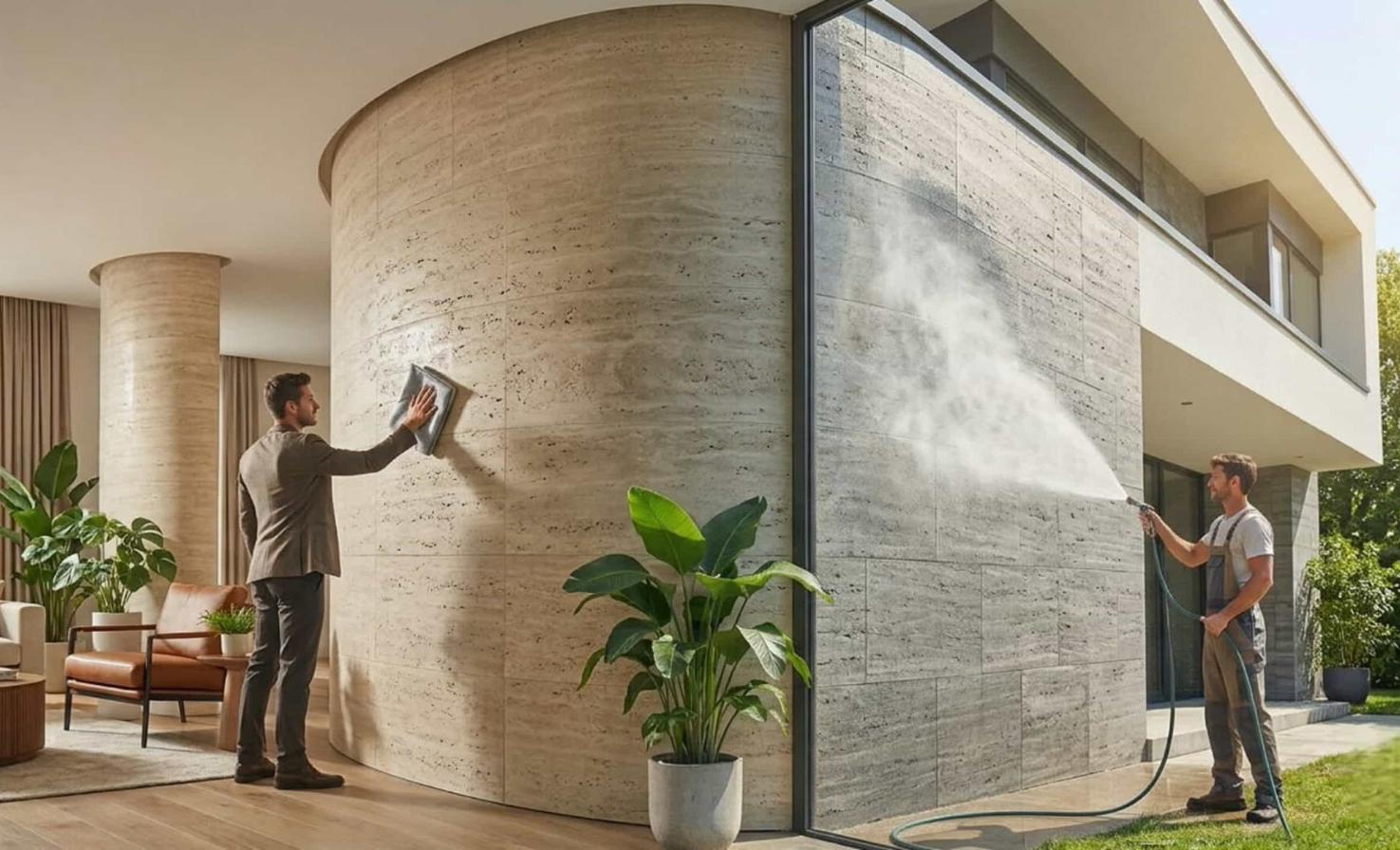
Stonecladding gives you modern aesthetics without losing the depth and texture people expect from natural stone. It can reshape a plain wall into a strong design feature, whether you prefer linear formats, ashlar geometry, or dry stack profiles. The result is a clear touch of elegance with architectural presence.
For home exteriors, the choice between brick cladding and stone cladding often comes down to style, weight, and installation goals. Brick offers classic order and weather resistance, while stone cladding delivers timeless appeal, richer surface variation, and a broader visual range. The practical benefits become even clearer when you compare uses and upkeep.
Benefits of Choosing Stonecladding for Home and Commercial Projects
stone cladding remain popular because they combine strong visual impact with dependable durability. For residential and commercial projects, they work across fireplaces, feature walls, facades, and outdoor living zones. If you want material depth without full-bed stone weight, thin veneer is a practical answer.
Another advantage is long-term performance. Properly installed natural stone can last for generations. It is also valued for minimal maintenance because real stone tends to age naturally instead of showing the fading or surface decline often associated with some manufactured alternatives.
Key benefits include:
- Strong durability for interior and exterior applications
- Real natural stone texture and visual depth
- Minimal maintenance over time
- A premium finish for home and commercial walls
Brick cladding also performs well on exterior walls by adding weather resistance, insulation support, and a finished masonry look, but stonecladding often offers a broader range of textures and profiles.
Ensuring Quality: Warranties and After-Sales Service
Quality is not only about the product in the box. It is also about warranties, after-sales service, and clear guidance before and after purchase. If you are investing in cladding, you want support with samples, pricing, installation questions, and long-term maintenance expectations.
This matters because brick cladding and stone cladding systems perform best when surface preparation, adhesive choice, and moisture management are handled correctly. Good support helps you avoid mistakes and gives you more confidence in the system’s long-term value. That brings us to warranty coverage and care routines.
What You Need to Know About the 25 Year Warranty
A long warranty signals confidence in durability, but it also reminds you to follow the right installation process. In cladding, performance depends on more than the visible finish. Substrate preparation, bonding method, waterproofing, and climate suitability all shape how long-lasting the result will be.
For new builds, that is especially important because cladding often becomes a defining exterior and interior feature. Lightweight brick cladding and thin flexible sheet systems can make installation easier, but they still need correct fixing methods and site conditions. Faster fitting should never mean rushed preparation.
You should also understand that low maintenance does not mean no care at all. Brick cladding usually does not need special maintenance compared with many other materials, yet periodic cleaning and moisture checks are still wise. A solid warranty works best when paired with proper installation, sensible upkeep, and professional guidance when needed.
Maintenance Tips for Long-Lasting Cladding
Brick cladding is used in building design as a thin decorative and protective layer that improves a wall’s appearance while also supporting weather resistance and insulation performance. The good news is that it usually needs minimal maintenance when installed correctly and matched to the right environment.
Still, long life depends on a few basics. Proper installation is the first step, especially where exterior exposure or high humidity is involved. Adhesive selection, sound wall preparation, and moisture management all help protect the finish and maintain performance over time.
Keep these tips in mind:
- Check joints and edges regularly for signs of trapped moisture
- Clean dust and surface dirt with gentle methods
- Follow the recommended adhesive and fixing approach
- Use sealing or grouting methods where the system requires it
- Make sure insulation and waterproofing layers are not compromised
When those essentials are handled well, both brick and stone-based finishes can stay durable, clean, and visually strong for many years.
Conclusion
In conclusion, the landscape of manufacturing in India is evolving, showcasing remarkable innovation and quality across various sectors. With companies leading the way in material technology and design, we see a bright future for Made in India products, especially in architecture. By embracing advancements in flexible and stone cladding solutions, businesses can enhance both aesthetic appeal and durability in their projects. As you explore these manufacturing success stories, remember that choosing quality materials not only benefits your current projects but also sets a standard for future endeavors. For personalized advice on selecting the best cladding options for your needs, don’t hesitate to reach out and get a free consultation today!
Frequently Asked Questions
Is brick cladding suitable for renovation projects on older buildings?
Yes. Brick cladding systems are often well suited to renovation because they provide the brick look with less weight than full masonry. That makes them useful for older walls in both interior applications and exterior upgrades. In many projects, they are also considered alongside stone veneer for similar reasons.
Can flexible cladding replicate the look of real brick or stone?
Yes,Yes. Flexible cladding is designed to authentically replicate the texture, colour, depth, and character of natural brick and stone, creating a realistic finish with the added benefits of being lightweight, flexible, easy to transport, and easier to install.