Key Highlights
- Desi minimalism helps you get rid of things that make your home look crowded. You keep only what helps your daily life in a busy city house like the ones in jaipur, delhi, or mumbai.
- Many families living in delhi, jaipur, and mumbai do not crowd their rooms anymore. They choose to go for a more peaceful indian home decor style.
- One easy thing you can do is stop holding on to things you do not use because of old feelings.
- Give each type of thing its own place to be kept. This makes your home much easier to handle.
- Minimalism gives the most to your life when you do a little bit daily, not when you try to clean up everything in one day.
- Smart design choices look good with solid finishes and if you buy less but better pieces, your home feels new and easy to be
Introduction
City homes across India are undergoing a transformation, reflecting the evolving lifestyles and priorities of urban dwellers. In cities such as Jaipur, Delhi, Mumbai, Bangalore and beyond, there is a noticeable move away from overcrowded rooms and excessive storage spaces filled with unused items. This shift signals a growing preference for interiors that are lighter, more serene, and easier to maintain.
Desi minimalism has emerged as a response to this trend, offering an approach that values simplicity without sacrificing cultural identity or warmth. Contrary to popular belief, desi minimalism does not require one to strip their home bare or eliminate all decorative elements. Instead, it encourages careful selection of items that hold meaning or serve a purpose, allowing spaces to feel more harmonious and functional.
The essence of desi minimalism lies in curating surroundings so they reflect one’s personality while providing comfort and utility. For instance, instead of filling shelves with numerous knick-knacks, homeowners might choose a few handcrafted pieces that tell a story or invoke nostalgia. Furniture is chosen for its practicality and aesthetic appeal—often favouring clean lines and natural materials over ornate designs.
This design philosophy also prioritises efficient use of space and adaptability. Multi-functional furniture, open layouts, and neutral colour palettes are increasingly popular in city homes. Such choices not only make daily life easier but also create environments where relaxation comes naturally.
Moreover, desi minimalism often incorporates traditional elements in subtle ways—textiles like handwoven rugs or block-printed cushions can add warmth without cluttering the room. The goal is not just visual simplicity but emotional resonance; every item should contribute positively to the atmosphere.
Ultimately, this movement reflects broader changes in attitudes towards consumption and sustainability. By focusing on what truly matters and letting go of excess possessions, residents in Indian cities can enjoy homes that are both stylish and practical—a place tailored to their needs rather than dictated by trends or societal pressure.
Embracing Desi Minimalism in Urban India
Minimalism lets you clear away clutter by asking one clear question: do you use this thing or need it? If you remove items that do not help you, your home is simpler to clean, organise, and enjoy. In fast-moving cities like Delhi and Mumbai, having life this simple is important.
At the same time, desi minimalism does not remove warmth or the personal touch from indian home decor. It chooses what should stay with intent instead of just cutting out extras. Instead of adding more boxes or shelves for stuff, it tells you to make better choices, place things smartly, and create spaces that fit your daily life. The next parts talk about how this change is making city homes feel fresh.
How Urban Indians Are Rethinking Traditional Home Spaces
In cities, many people are changing the old way of adding too many things to their rooms. Earlier, people in traditional homes used to keep a lot of things at home because they thought they might need them later. Now, with the way people live in cities, that idea can make the rooms of the house feel small and hard to use. These days, Indian home decor is moving towards open and easy spaces where everything can breathe.
One good way to get rid of clutter in a place is to start by finding things that are not used. People can check what they keep just because they always have, or because they feel bad throwing it away, or because they think they will use it one day. If something is there just to be cleaned, stored, moved, or fixed, it might take space and time without giving much in return.
There is another easy idea that can be tried. It is not to spread the same type of things all over the house. People can try to keep things from one group together, not here and there. Batteries should be kept in one drawer, papers go to one folder zone, and day-to-day things stay in an easy spot. When this is done, the home feels more calm, and there is no need to follow any tough rules.
Key Principles of Desi Minimalism for the Modern Urban Home
Desi minimalism, as applied to the modern urban home, is a thoughtful approach that harmonizes simplicity with cultural richness. It is rooted in the principle of “less is more,” but adapts this philosophy to honor Indian traditions and lifestyles. At its core, desi minimalism focuses on decluttering spaces—both visually and physically—to foster a sense of tranquility and openness. This involves selecting only essential furnishings and decor items that serve a clear purpose or hold meaningful value.
One of the main principles is the use of clean lines throughout architectural elements and furniture selections. Unlike ornate carvings or heavily patterned surfaces common in traditional settings, minimalist design opts for straight edges, smooth curves, and geometric forms. This shift helps create an airy, expansive feel even in smaller urban apartments.
Color palettes are also crucial in desi minimalism. Instead of loud hues or jarring contrasts, muted tones such as off-whites, earthy browns, soft greys, and gentle pastels are favored. These shades act as a neutral canvas that highlights carefully chosen accent pieces—like handwoven throws, brass lamps, or traditional artworks—without making the space feel busy or overwhelming.
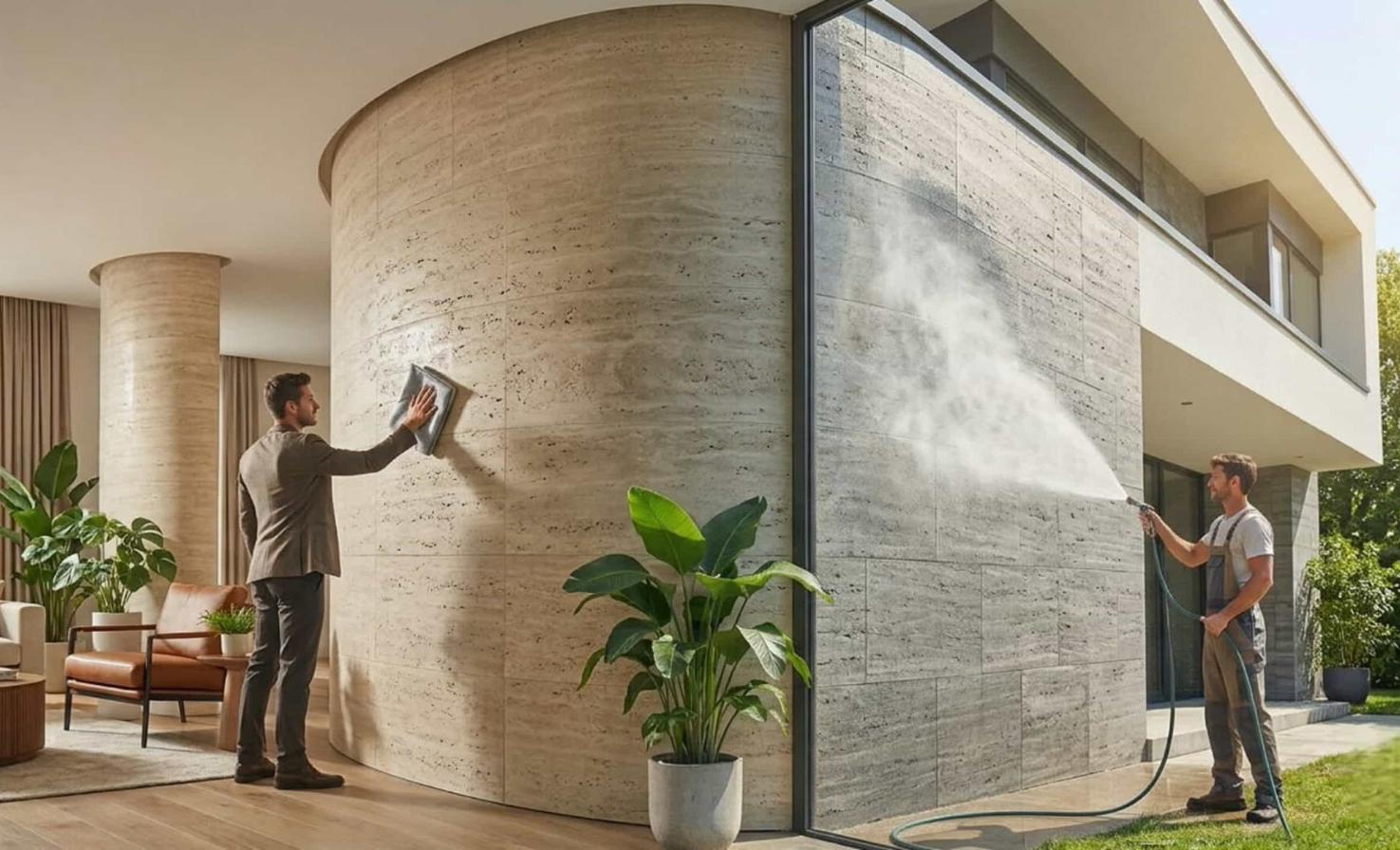
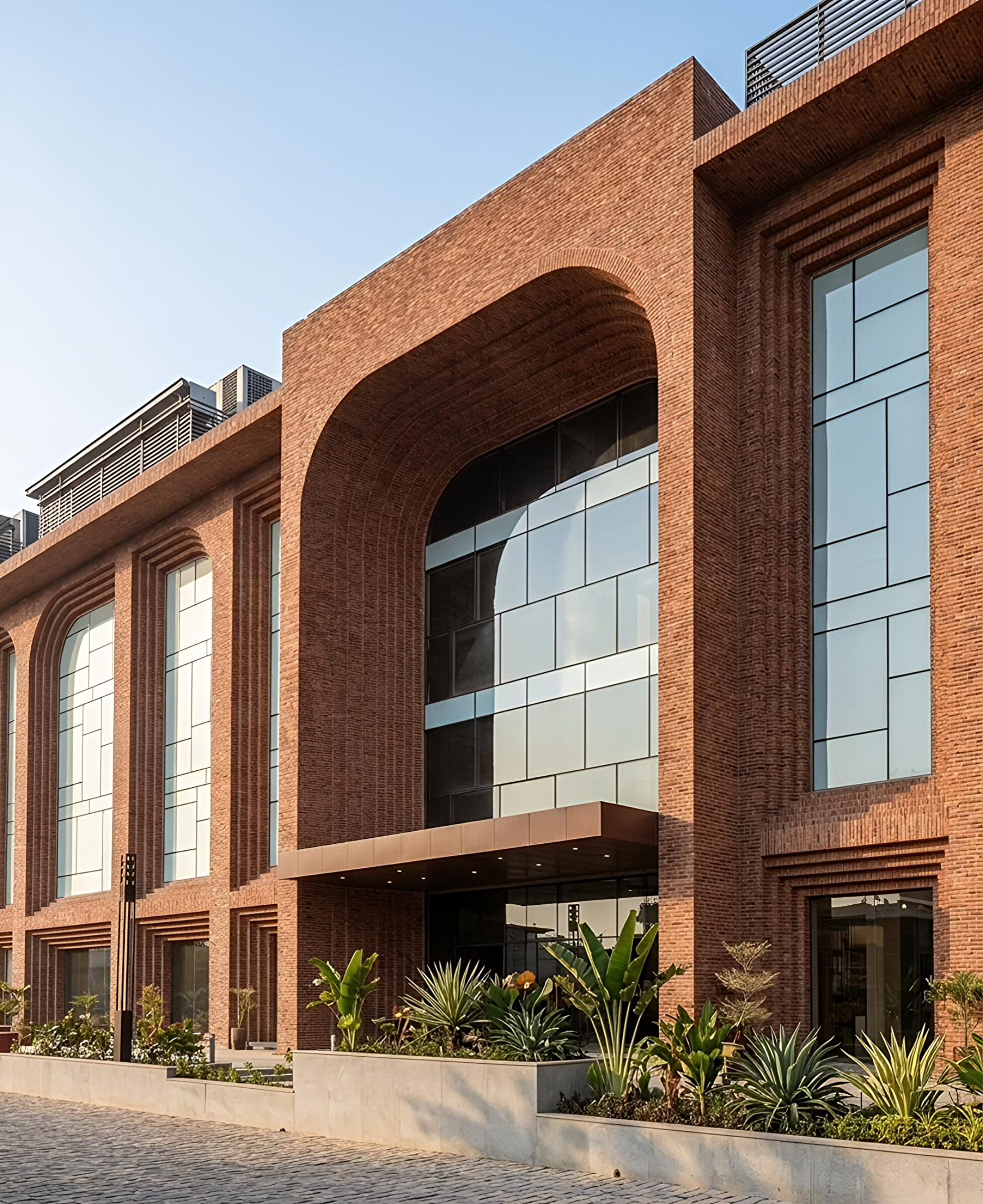
Material selection supports this aesthetic as well. Modern cladding options like Articlad have become popular because they combine contemporary appeal with durability and ease of maintenance. Their understated finishes allow textures from natural materials—such as clay, brick, stone, or concrete—to stand out subtly without dominating the room.
By embracing these principles—clean lines, subtle colors, thoughtful material choices, curated decor, and functional layouts—the modern urban Indian home can reflect both contemporary sensibilities and respect for cultural heritage. Desi minimalism thus creates environments that are peaceful yet personal: sanctuaries amid city life that nurture both tradition and modern comfort.
Enhancing Lifestyle with Desi Minimalism
Living with less clutter brings about far more than just aesthetic improvements to your home. Particularly in bustling city environments, where life often moves at a relentless pace and possessions can accumulate quickly, adopting a simple approach to your living space can significantly ease daily pressures. With fewer items to clean, organise, or search for, you find yourself spending less time managing your belongings and more time enjoying your surroundings. This not only frees up physical space but also creates mental clarity, allowing you to focus on what truly matters.
Desi minimalism embodies this philosophy by encouraging you to curate your home thoughtfully and intentionally. The result is a calm, peaceful atmosphere that supports a straightforward lifestyle and makes everyday routines smoother. In practical terms, it means less stress when tidying up, easier access to the essentials you need, and reduced overwhelm from visual clutter.
Emotionally, the benefits are substantial. A minimalist environment fosters a sense of tranquillity and contentment. You may notice improved focus and productivity as distractions diminish. Furthermore, letting go of unnecessary items can be liberating and help you develop a deeper appreciation for what you own.
Over time, the shift towards minimalism can lead to positive habits such as mindful purchasing and sustainable living. It encourages you to value quality over quantity and invest in items that serve a purpose or bring genuine joy. Ultimately, desi minimalism is not just about having less – it’s about creating a home that supports wellbeing, simplicity, and intentional living amidst the demands of urban life.
Emotional and Practical Benefits of Living with Less
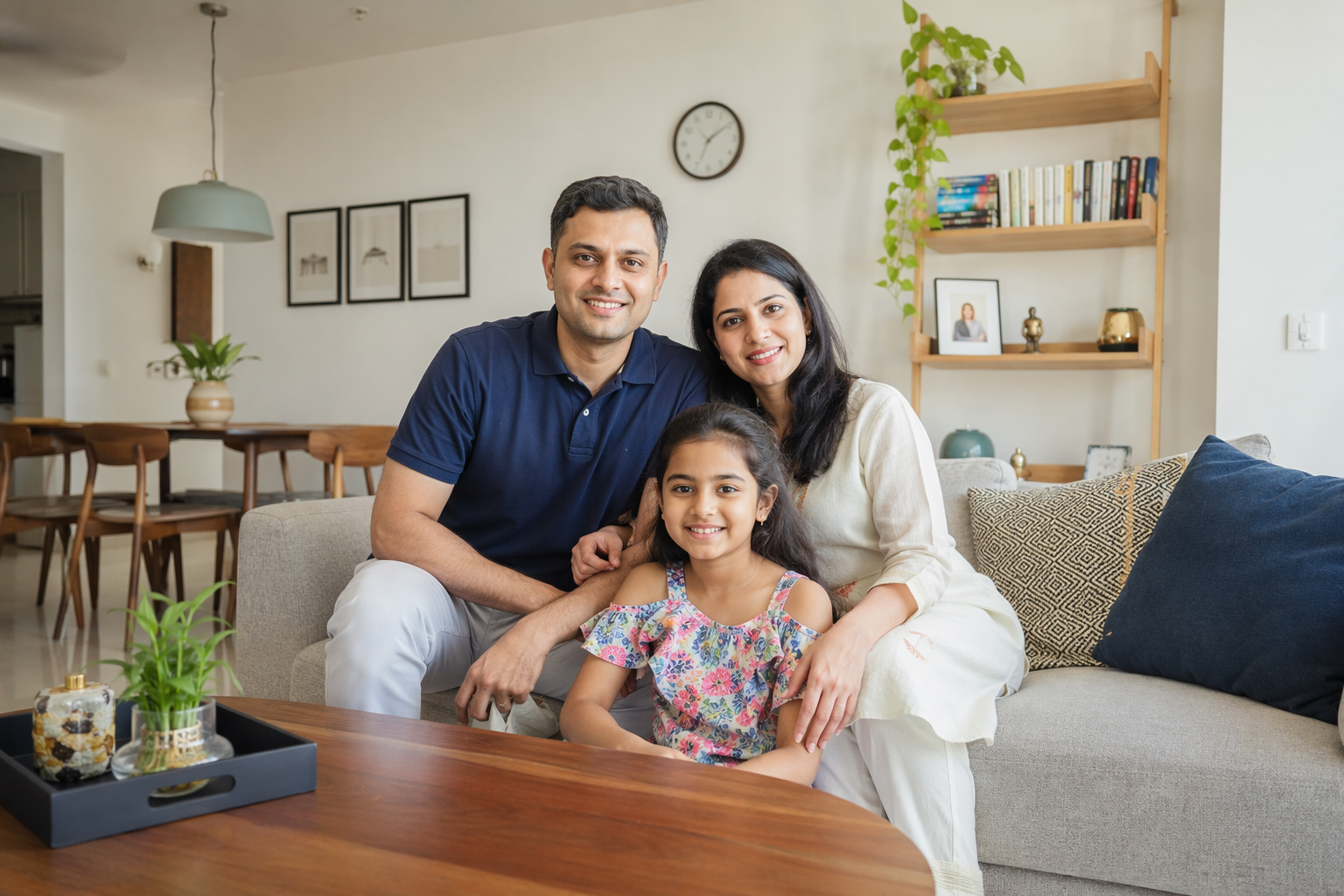
Living with less clutter gives people good and quick results. In Mumbai, homes are often small, so having fewer things to clean is helpful. There is no need to move things around so much, and less time is spent searching for what is needed. As a result, daily life becomes easier.
There are also emotional gains from less clutter. When a home has fewer things in it, the mind feels lighter. Positive space in the home helps to calm the mind, allowing it room to breathe and think clearly. Clutter, on the other hand, negates these positive experiences, making it harder to feel relaxed and focused. This is where thoughtful Indian home decor is very effective. A simple room can create a sense of calm, and it is not necessary to buy costly items to achieve this.
Our cladding not only works well with minimalism but also brings about the positive space that’s not just visually soothing but also works on aesthetic appeal. Specially when it comes to modern desi minimalism, Articlad’s neutral tones and earthy shades gives the homes a grounding and calming appeal.
Conclusion
Living with less clutter can lead to profound changes that go far beyond the appearance of your home. In urban environments, where daily life is fast-paced and spaces are often limited, a simplified living space reduces stress and helps you avoid feeling overwhelmed by constant cleaning, organizing, or searching for misplaced items. By having fewer possessions, you gain more physical room in your home and mental space in your mind, freeing you up to focus on what truly matters.
This approach is central to desi minimalism—a movement inspired by traditional South Asian values that prioritize practicality and harmony within the household. By embracing minimalism, you create an environment that feels peaceful and inviting. Your day-to-day routine becomes easier because each item has a purpose and place, making it quicker to tidy up or find what you need.
Minimalism also offers emotional benefits. A clutter-free home can help reduce anxiety and promote a sense of calm, which is especially valuable in busy city life. You may find yourself less distracted by unnecessary items and more able to concentrate on relationships, hobbies, or self-care. Practically speaking, it can save time spent maintaining your home and even reduce expenses since you’re less likely to purchase things impulsively.
To fully appreciate these changes, it’s helpful to reflect on both the emotional rewards—like greater contentment, clarity, and relaxation—and the practical advantages such as improved organization and efficiency. Ultimately, desi minimalism encourages intentional living: surrounding yourself only with items that serve a meaningful purpose so your home works for you rather than against you. This mindful approach leads to lasting well-being and makes everyday life feel lighter and more manageable.
Frequently Asked Questions
How do I start adopting desi minimalism in my daily life?
Begin with one routine each day in your city home. Gather things that are alike in one spot. Take out items you do not use. Wait before you buy storage. Desi minimalism makes Indian home decor better when your place is simpler to use, not just clear for show.
What are some easy decluttering tips for a typical Indian urban home?
Pick one small space first in your city home. Let go of things that do not have a real use. Keep all items of the same kind in one place. These easy steps help indian home decor feel lighter and much simpler to keep up.
How can I make ditching the clutter fun and motivating for my family?
Keep things simple and clear. Work for a short stretch, finish one space together, and then enjoy seeing what you have done in your Mumbai, Delhi, or Jaipur home. When family members find and put items back easily, indian home decor feels calm, and everyone can spot the good changes.
Articlad helps you stick to a less-is-more style. The brand offers Made in India surface choices that stand up well and show off a clean look. For your project, you can pick from Brick Cladding, Stone Cladding, Cultured Stone Cladding, Flexible Cladding, Flexura, Concrete Cladding, Translucent Concrete, Canvas Concrete all with a 25-Year Warranty.