Key Highlights
- Sustainable cladding reduces environmental impact by improving energy efficiency and lowering a building’s carbon footprint over time.
- The best products balance durability, thermal insulation, weather resistance, and responsible material selection.
- Recycled materials and long service life support a more practical circular economy in construction.
- Good Wall Cladding also improves architectural value, not just technical performance.
- In the modern marketplace, buyers compare embodied carbon, maintenance needs, and warranty strength.
- Articlad stands out through performance-led Exterior Cladding and Interior Cladding solutions Made in India.
Introduction
In today’s construction landscape, the choice of cladding goes beyond mere aesthetics; it embodies a commitment to sustainability. Builders, architects, and developers are increasingly prioritizing eco-friendly materials, recognizing that their selections can significantly influence the long-term environmental impact and embodied carbon of their projects. Sustainable cladding not only enhances the functionality of a building but also contributes to a healthier planet. With a plethora of options available, it’s essential to identify cladding solutions that deliver tangible benefits rather than empty promises. By choosing well-designed, measurable, and durable cladding, stakeholders can create building envelopes that not only perform effectively but also support a sustainable future. This emphasis on sustainability is not just a trend; it reflects a fundamental shift in how we approach construction in the modern marketplace.
Understanding Sustainability in Construction
Sustainability in construction encompasses the integration of environmentally friendly practices and materials to minimize negative impacts on ecosystems. This holistic approach focuses on essential metrics such as energy efficiency and indoor air quality, fostering buildings that are not only functional but also promote well-being. Emphasizing the use of recycled materials and reducing embodied carbon, sustainable construction plays a pivotal role in contributing to a circular economy.
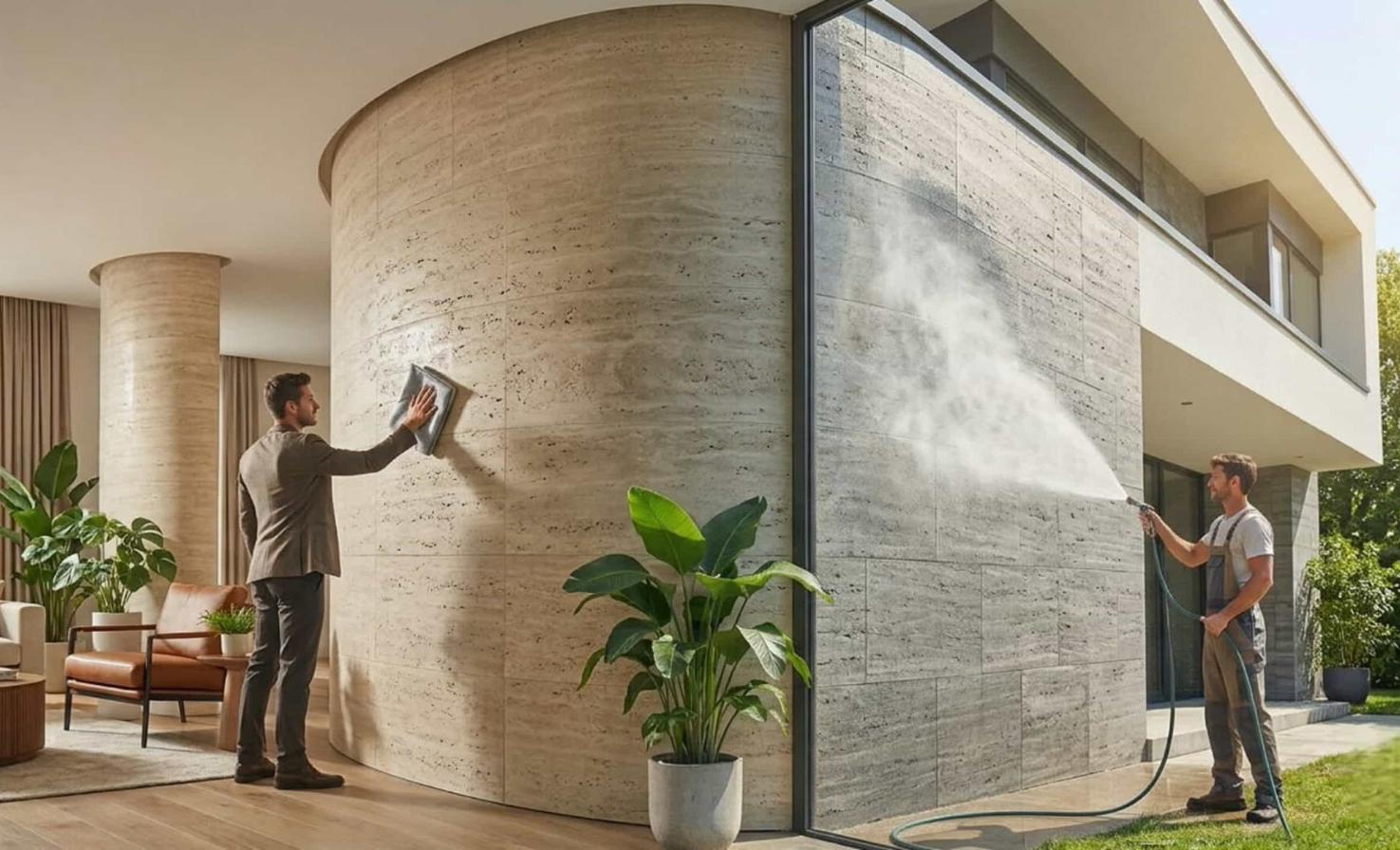
A crucial aspect of this framework is the utilization of durable, weather-resistant cladding materials that enhance both aesthetics and performance. By employing advanced technology, stakeholders can ensure a smaller carbon footprint while catering to complex questions related to resource consumption. Such practices not only support a greener future but also align with evolving consumer preferences for sustainable living environments.
Defining Sustainability and Its Role in the Modern Marketplace
Sustainability, at its core, refers to meeting the needs of the present without compromising those of future generations. In the modern marketplace, especially in construction, it goes beyond simply reducing waste or minimizing environmental footprints—it’s about creating systems that positively impact everyday life. For example, sustainable practices in construction can lead to healthier indoor environments, lower utility bills, and increased durability of buildings, all of which benefit communities and individuals alike.
Key metrics used to evaluate sustainability include energy efficiency, water conservation, carbon footprint, material lifecycle, and recyclability. These metrics help measure the environmental and social impact of construction projects. However, sustainability isn’t just about individual metrics; it’s about building a circular economy. This means designing products and processes so that materials are reused, repurposed, and recycled, integrating sustainability from the initial design phase right through to the end-of-life stage. By creating closed loops, the construction industry can minimize waste and maximize resource efficiency, ensuring that sustainability is woven into every aspect of modern life.
Key Sustainability Metrics for Building Materials
A variety of metrics serve as critical indicators for assessing the sustainability of building materials. One of the most significant aspects is energy efficiency, which refers to how effectively a building material uses energy to maintain comfortable indoor conditions. High energy efficiency reduces the demand for heating and cooling, which in turn lowers operational costs and minimizes greenhouse gas emissions, thereby contributing to a smaller carbon footprint.
Evaluating embodied carbon is essential for understanding the environmental impact throughout a material’s life cycle. This includes the carbon emissions associated with the extraction, manufacturing, transportation, and disposal of materials. A comprehensive lifecycle assessment (LCA) allows builders and architects to identify materials that not only perform well but also have a reduced environmental impact over time.
Thermal insulation properties are crucial as they directly influence a building’s energy efficiency. Materials with excellent thermal insulation help maintain stable indoor temperatures, reducing the need for additional heating or cooling. This leads to lower energy consumption and further diminishes the carbon footprint associated with building operations.
Weather resistance is another key metric, ensuring that materials can withstand environmental challenges such as moisture, wind, and temperature fluctuations. This durability extends the lifespan of buildings and reduces the frequency of repairs and replacements, thus minimizing waste and resource use over time.
Incorporating recycled materials into building designs promotes a circular economy, which emphasizes reusing resources rather than relying on new raw materials. This approach not only reduces the demand for virgin materials but also enhances overall performance by utilizing materials that have already proven their durability and efficacy. By embracing this concept, the construction industry can move towards a more sustainable future, making for a more eco-friendly construction approach.
Unfired Clay vs Gas Fired Tiles
Unfired clay tiles present a compelling alternative to gas-fired tiles through their reduced carbon footprint and environmentally friendly production. The former leverage natural materials and require minimal energy, promoting energy efficiency and lower embodied carbon. According to recent estimates, the tile industry in India generates approximately 12 million tons of CO₂ emissions annually, primarily from energy-intensive manufacturing processes like gas firing. Additionally, unfired clay demonstrates excellent thermal insulation and weather resistance, making it suitable for various climates. Conversely, gas-fired tiles, while durable, often utilize processes that contribute significantly to environmental impact. Considering the circular economy aspect, unfired clay aligns well with sustainable building practices, enhancing overall aesthetics.
Environmental Impact and Aesthetic Appeal
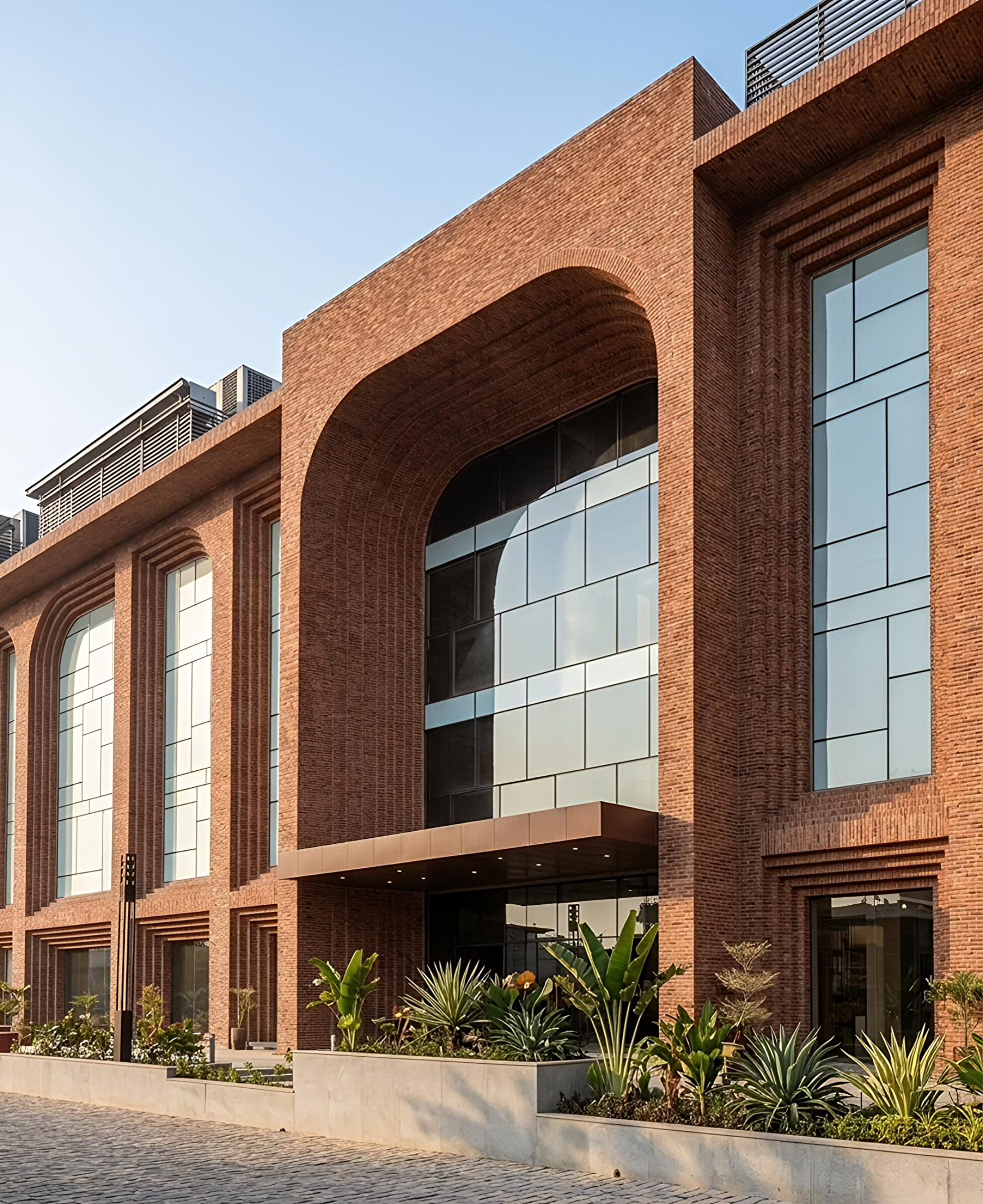
Aesthetic appeal in construction often goes hand-in-hand with an emphasis on environmental impact. Sustainable cladding materials not only enhance a building’s visual identity but also contribute positively to the ecosystem by minimizing the carbon footprint. Utilizing recycled materials can effectively reduce embodied carbon, while options like unfired clay tiles deliver both durability and energy efficiency. Weather resistance ensures longevity, fostering a circular economy that values sustainability as an essential component in modern design.
Articlad’s Approach to Sustainable Cladding
Articlad sees sustainable cladding as a blend of design, how well it works, and how useful it will be in the long run. This is important when you want to compare it with other products. Many other brands talk about being green or caring for the environment, but not many show how their products can really be good to use on actual buildings.
In contrast to traditional methods, our cladding does not require firing natural gas, significantly reducing emissions and showcasing our commitment to sustainability. This innovation not only benefits the environment but also creates safer working conditions for those in the industry. By eliminating the need for gas-fired kiln factories, we ensure that workers are not exposed to hazardous environments, allowing them to work in safer settings.
The brand puts a lot of value on using durable systems and ensuring their cladding has good weather resistance. It also likes to use new ideas for the materials. By offering products with recycled materials and advanced surface options, Articlad tries to provide cladding that looks good and supports responsible building—today and in the future. Through our innovative practices, Articlad is not just enhancing building design; we are also saving the planet, one step at a time, all while never compromising on aesthetics.
The Role of Material Innovation in Sustainable Cladding
Material science is playing a pivotal role in transforming the landscape of sustainable cladding, ushering in an era of unprecedented innovation and opportunity. Through rigorous research and development, scientists and engineers are introducing advanced materials such as living moss cladding—which integrates nature directly into building façades—digital cladding systems that can adapt to be used as digital screens, and bio-based composites derived from renewable sources. These materials are specifically designed to not only surpass the performance of conventional recycled options but also to address critical issues like energy efficiency, aesthetic versatility, and environmental stewardship.
One key advancement is the development of smart cladding systems that respond dynamically to changes in temperature, humidity, and sunlight. For example, digital facades equipped with optic fibres can be used as live screens thereby reducing the need to deploy separate systems and moss claddings contribute to air purification and biodiversity while providing natural insulation. These materials align seamlessly with circular economy principles by being recyclable or biodegradable at the end of their useful life.
Furthermore, material science is enabling architects to push creative boundaries. Modern sustainable claddings come in a wide array of textures, colours, and interactive surfaces that elevate architectural expression without compromising on ecological responsibility. Enhanced weather resistance ensures longevity even under harsh climatic conditions, reducing maintenance requirements and resource consumption over time.
By embracing these advances in material technology, sustainable cladding solutions are poised to meet contemporary design aspirations while minimising environmental impact. This shift fosters healthier indoor environments through improved air quality and natural light management. Ultimately, cutting-edge material science empowers the construction industry to build smarter, greener structures that adapt gracefully to both human needs and the planet’s wellbeing.
What Sets Articlad Apart from Competitors in the Indian Market
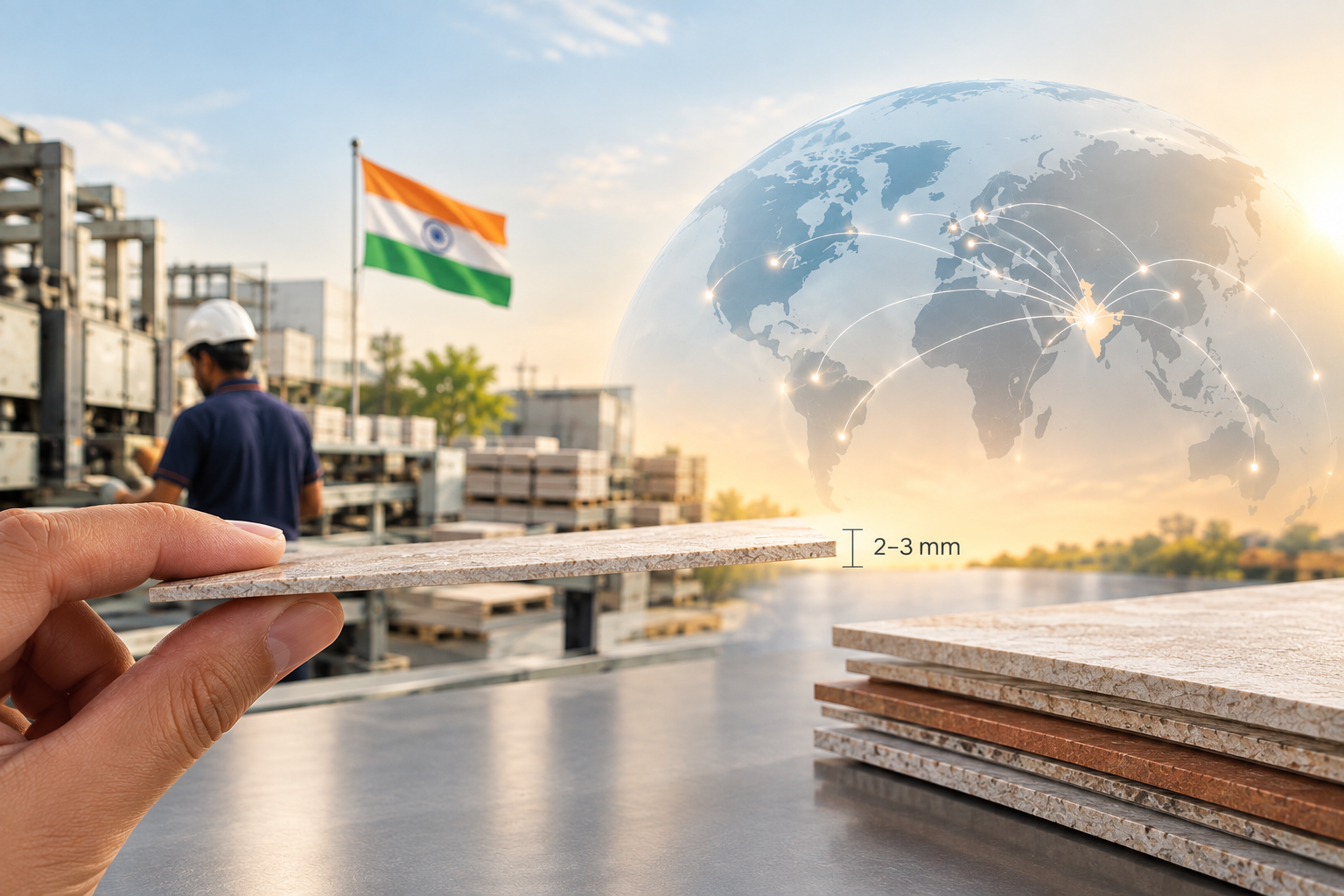
In India, Articlad stands out as a brand with 10 years of trust, having delivered about 10 million sq.ft of facades across the country. Articlad is known for bringing together eco-friendly choices and products that really last. Unlike many brands that depend on importing and selling, Articlad’s strength lies in its in-house manufacturing and dedicated R&D centre. This commitment allows the company to focus on true sustainability and innovation in design.
When you ask, “How is Articlad a sustainable brand?” the answer is easy. The company makes Wall Cladding and Exterior Cladding that need less changing over time, keep high durability, and stand up well to tough weather. With a varied range of products developed through in-house research, Articlad ensures every solution meets the highest standards for performance and responsibility.
Articlad gives you lots of options for every style or project. You can pick from Brick, Cultured Stone Cladding, or Translucent or Graphic Concrete and its patent product Felxible Cladding. Many people search for their needs on Google or want quick app access and download of the catalogue. This helps buyers make clear, good choices that focus on great performance.
Conclusion
In the quest for sustainable building practices, the shift towards eco-friendly materials is more than a trend; it’s a necessity. The adoption of sustainable cladding plays a pivotal role in reducing the carbon footprint of structures, driving the construction industry towards a circular economy. Embracing innovative materials transforms the aesthetic and functional capabilities of buildings, enhancing their environmental performance through energy efficiency and durability.
The commitment to sustainability not only paves the way for building structures with reduced embodied carbon but also sparks inspiration for future developments. As consumers grow more conscious of their impact on the planet, the demand for ethically produced materials and practices will continue to rise, further shaping the marketplace. A focus on sustainable cladding ensures that modern architecture aligns with environmental stewardship, ultimately leading to a healthier planet.