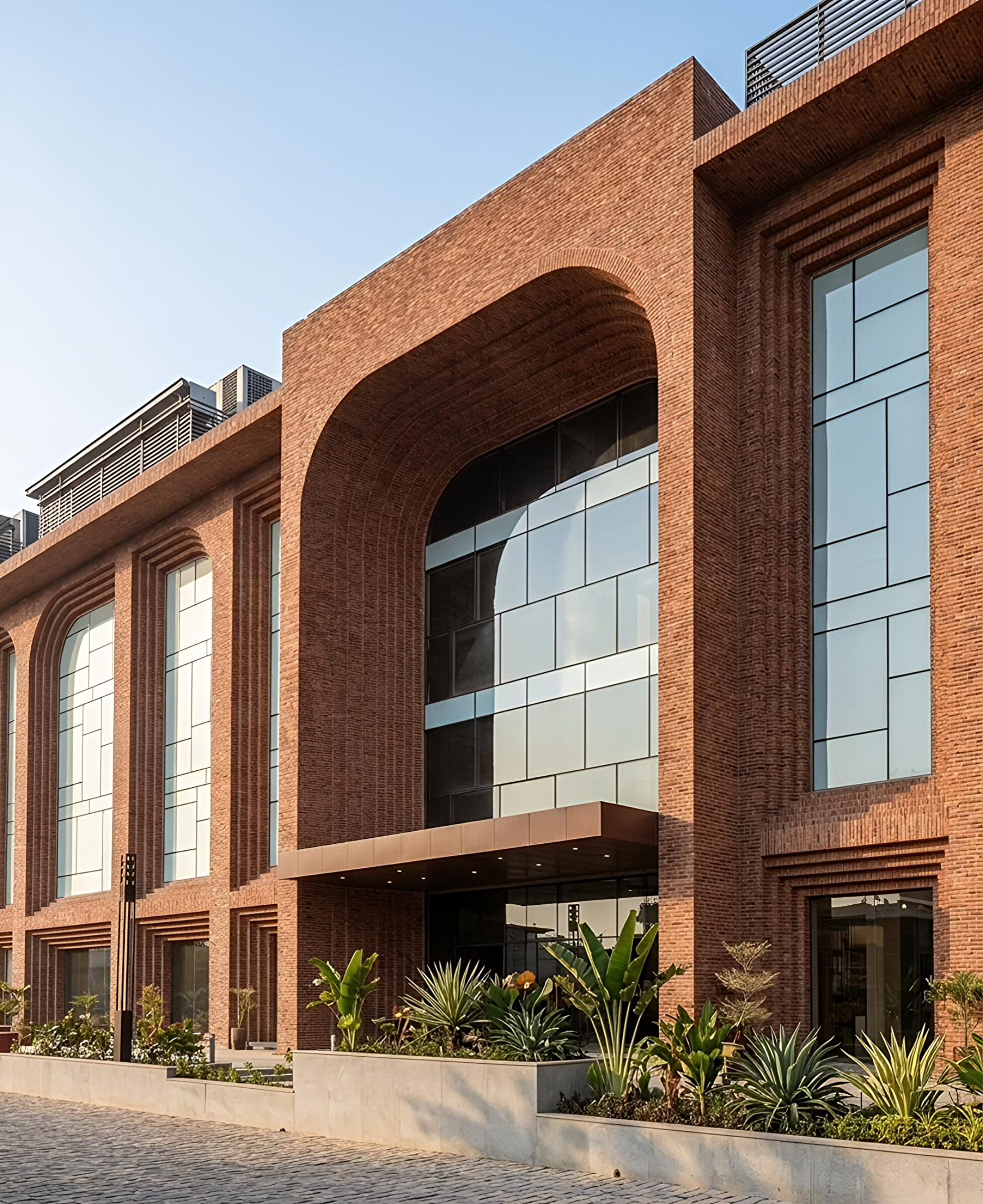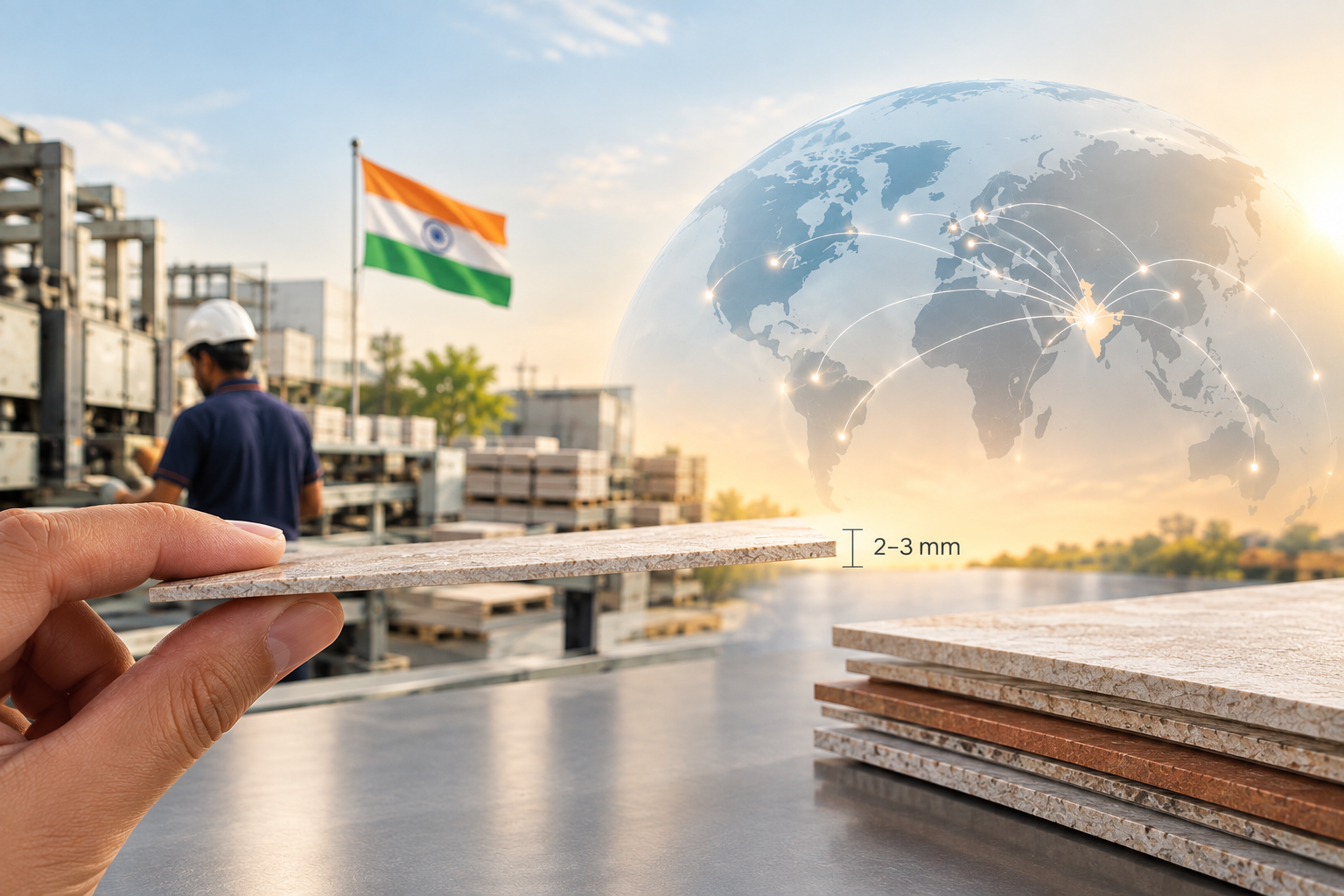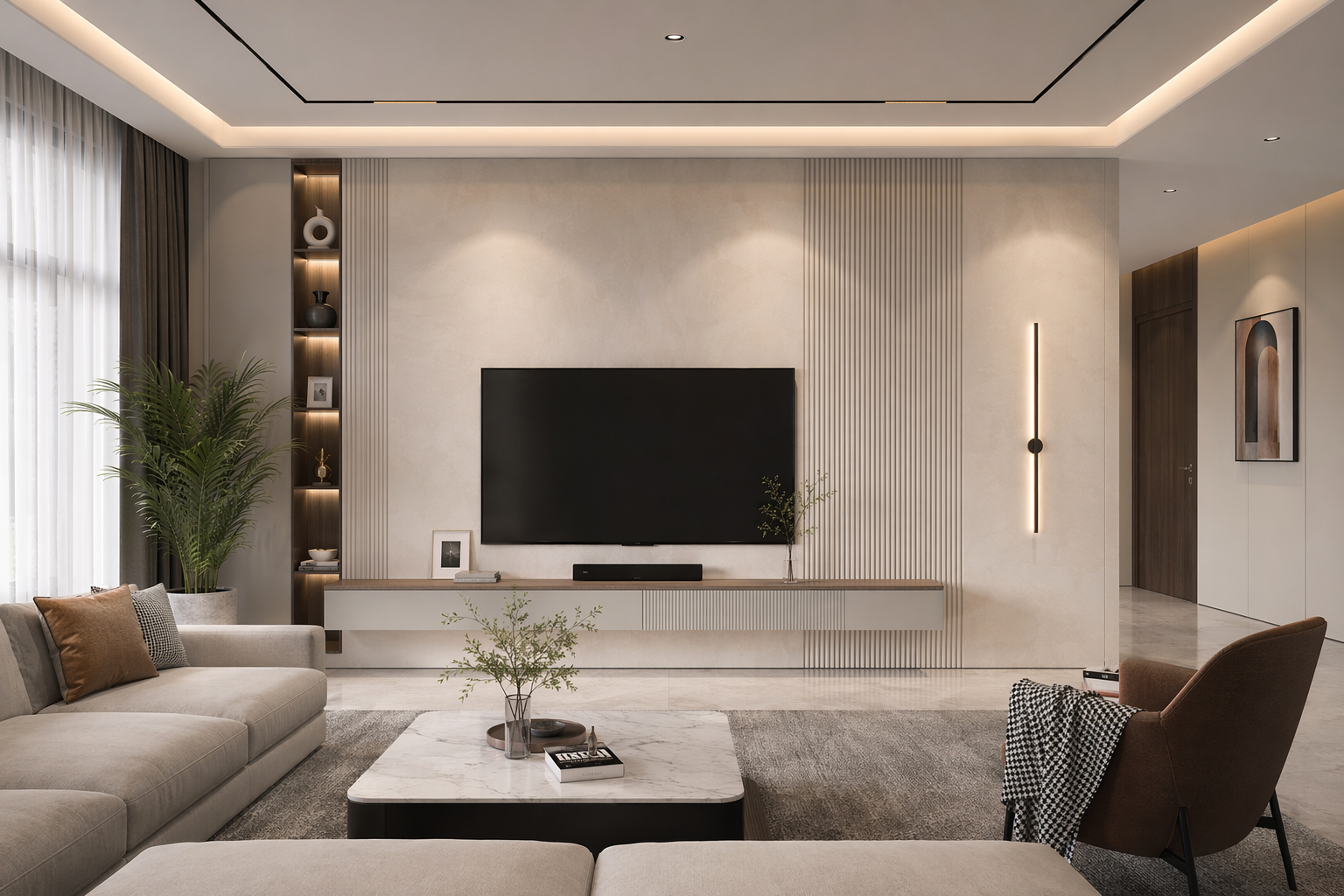
Introduction
Choosing the best adhesive for wall cladding on a plastered wall isn’t just about sticking one material to another. The right product has to match your wall panels, the condition of the wall, and where the job sits — a sheltered interior feature wall behaves very differently to an exterior facade in Mumbai’s monsoon. Get the adhesive system wrong on a low-porosity tile or a demanding substrate, and no amount of skilled installation saves the finish. At Articlad, we see this daily across projects in Indian homes and commercial spaces: a neat, long-lasting cladding job starts with the right adhesive system, not guesswork.
Understanding Plastered Wall Cladding
A plastered wall is often the base for wall cladding, but not every plastered wall is ready for tile fixing. The base must be sound, properly cured, and strong enough to carry the finish for years. If the plaster gives way, even a premium adhesive cannot rescue the installation.
That’s why surface preparation comes first, before any product decision. You also need to weigh up the type of tile or panel being fixed. Exterior facades, vitrified tiles, and other low-porosity surfaces place far greater demands on both the adhesive and the plaster beneath it.
Types of Plastered Wall Surfaces and Their Challenges
Surface condition directly decides adhesive performance for wall cladding. A sound base plaster supports the bond; a weak one causes failure, and no adhesive compensates for plaster that hasn’t matured or was mixed poorly.
Watch for these surface issues in practice:
- A very smooth surface needs closer attention, since the bond depends on proper contact and a stable base.
- Weak or under-cured base plaster can detach under load.
- Difficult substrates or low-porosity backgrounds need stronger, more flexible products.
- Exterior walls face weather and environmental stress that increase movement over time.
Prepare the plaster with cement and coarse sand in the correct ratio, then cure it properly — it takes about three weeks to reach optimum strength. Rushing this stage to save time on-site raises the risk of cladding failure later.
Role of Adhesives in Cladding Durability and Appearance
Adhesives decide how long cladding lasts and how good it looks years after installation. A product with strong bonding holds the cladding securely and reduces the risk of separation from the plaster, which matters even more on exterior surfaces and in wet areas.
Match the adhesive to the installation process, the material being fixed, and the wall condition. Basic mortar rarely suffices for external cladding, low-porosity tiles, timber, or other dense surfaces — this is exactly why systems like Articlad’s Flexura flexible cladding and cultured stone cladding call for specialised, high-flexibility adhesives rather than standard mortar.
There’s a visual payoff too. A good adhesive gives you better control during installation, lets you adjust cladding position, and supports top-to-bottom fixing. Good grab and non-slip behaviour create cleaner lines and a more permanent, better-looking fix.
What to Look for in an Adhesive for Plastered Walls
Focus on a few factors when picking an adhesive for a plastered wall: the strength of the plaster, the type of cladding, and whether the job is indoors or outdoors. These decide bond performance far more than branding or price.
Compare the range of products on the actual site conditions, not the spec sheet alone. For demanding work, flexibility, durability, and suitability for low-porosity surfaces all matter. Here’s how each factor breaks down.
Considering Cladding Material and Weight
The cladding material should guide your adhesive choice from the start. Small, porous clay tiles ask far less of an adhesive than large vitrified tiles or exterior facade pieces. Ignore weight and porosity, and the installation fails early.
For heavier or less porous finishes, choose a stronger, more flexible adhesive. Articlad’s Artifix suit demanding uses — exterior facades, swimming pools, and difficult substrates — and outperform ordinary mortar over the long term.
The same logic applies to Articlad’s own product range. Brick cladding, cultured stone cladding, Flexura, and Kratos Beton concrete panels each carry different weight and flexibility profiles, so match the adhesive to the load, substrate, and exposure rather than defaulting to whatever’s on hand.
Impact of Surface Condition and Preparation
A plastered wall may look ready, but appearance alone tells you nothing about whether the adhesive will hold over time. If the base plaster is weak, the cladding can come away with the plaster still attached. Preparation isn’t optional.
Keep these points in mind before fixing cladding:
- Use a sound base plaster made with the recommended cement and coarse sand ratio.
- Allow proper curing time so the plaster reaches working strength.
- Check the wall can handle moisture demands in wet or exposed areas.
- Take extra care in extreme conditions, especially on exterior surfaces.
Surface condition strongly affects adhesive performance for wall cladding — a mature, strong base supports the bond, while poor plaster, rushed work, or weak mixes reduce reliability no matter how good the adhesive is.
Adhesive Options for Plastered Wall Cladding in India
There’s no single best adhesive for every plastered wall cladding job in India. The right choice depends on the substrate, the tile or panel type, and the service conditions — but polymer-modified tile adhesive consistently outperforms plain cement-sand mortar in demanding installations.
Cement-based adhesives, flexible tile adhesives, and highly flexible systems each suit different needs. Some work fine for basic indoor jobs; others are built for exterior facades, swimming pools, and difficult substrates. Here’s how each option fits.
Cement-Based Adhesives: Benefits and Suitability
You can use cement-based adhesives for plastered wall cladding, but suitability depends on the grade. Basic products without polymer binders have low bond strength and poor durability — they suit only small, porous clay tiles on porous mineral substrates, not demanding cladding work.
Add polymers and performance improves. C1 products give better adhesion for small to medium porous tiles. C2 products are stronger, suited to large, non-porous vitrified tiles on non-porous substrates for interior applications. Higher-polymer systems go further still, offering high flexibility for exterior and difficult jobs.
| Type of cement-based adhesive | Suitability on plastered wall cladding |
|---|---|
| Ordinary adhesive without polymer binders | Limited use; low bond strength and poor durability |
| Simple adhesive with low polymer content | Good adhesion for small to medium porous tiles |
| Flexible high-quality C2 adhesive | Better for vitrified tiles and tougher interior needs |
| Highly flexible high-polymer adhesive | Best for exterior facades, difficult substrates, and long-term performance |
| Artifix : Articlad Adhesive | Sets early, is easier to use in installation, and is durable for years with correct installation |
Artifix Adhesives: Compatibility and Use Cases
Artifix works well with plastered walls for cladding installation when the plaster is sound and properly cured, and they’re often the better choice where cement-sand mortar can’t deliver a reliable result. Compatibility depends on both the adhesive class and the surface condition.
Different project types need different performance levels: small porous clay tiles work with simpler products, while exterior facade tiles need highly flexible systems. Artifix works efficiently, provided you match the product to the job.
Best Practices for Applying Adhesives to Plastered Walls
Good results need more than the right product. Get the installation process right too. Start with careful surface preparation — a weak or under-cured plaster base will let down even a premium adhesive.
Pay attention to handling on the wall as well. Products with workable open time and good grab let you adjust placement and keep lines neat, which makes a professional finish easier to achieve, especially on vertical surfaces.
Application Techniques for Maximum Bond Strength
Maximum bond strength starts with the right adhesive on the right base. Choose according to cladding type, surface condition, and service demands. For demanding wall panel installation, use products built for stronger bonding and movement tolerance rather than plain mortar.
Control matters during application — good fixing , cladding adjustment, and good grab all help, alongside tools that improve placement and consistency.
Useful job-site practices:
- Apply the product evenly for full contact and better control.
- Use a caulk gun where the adhesive format needs it.
- Keep a consistent bead of adhesive to avoid weak spots.
- Add mechanical fasteners with cladding systems where the method calls for extra support.
To choose the right adhesive for plastered wall cladding, work through this order: base plaster quality, material type, interior or exterior use, then the need for flexibility.
Avoiding Common Adhesive Mistakes
Most failures trace back to simple errors, not the adhesive itself. The common mistakes: rushing the installation, using a standard adhesive on a demanding surface, or ignoring the strength of the plaster underneath. Each leads to weak bonding or early detachment.
Watch for these mistakes:
- Fixing cladding before the base plaster has matured for about three weeks.
- Using a weak cement-sand mix in the plaster to save time or cost.
- Choosing a standard adhesive for exterior cladding or low-porosity tiles.
- Ignoring product handling features that give better control during fixing.
Not every plastered wall behaves the same way. Exterior facades, swimming pools, vitrified tiles, and difficult substrates all need higher-performance systems. Skip the shortcuts, match the adhesive to the project, and the result holds up.
What Does the Right Adhesive Cost?
Adhesive costs in India vary by grade — a basic cement-based product without polymers sits at the lower end, while high-polymer, highly flexible systems built for exterior facades and difficult substrates cost more per bag or per kilogram. That gap is small next to the cost of redoing a cladding job that’s failed. On a project using Articlad’s brick, stone, or Flexura cladding, the adhesive is a fraction of the overall spend, so it rarely makes sense to save on this line item and risk the finish. Our team can advise on the right adhesive grade for your specific substrate and cladding choice during project planning.
Conclusion
Choosing the right adhesive for plastered wall cladding decides both durability and appearance. Understand your cladding material and the condition of your surface, and you can make an informed choice that holds up for years, not just at handover. Cement-based, tile, and highly flexible adhesive systems each suit different jobs — the SOP is straightforward: get the surface preparation right, match the adhesive grade to the substrate and material, and follow correct application practice.
Articlad’s brick, stone, and flexible cladding solutions come backed by a 25-year warranty, and we’re happy to recommend the right adhesive system for your specific project. If you need personalised advice on adhesive selection for a plastered wall, reach out for a free consultation.
Frequently Asked Questions
Should I prime a plastered wall before installing cladding adhesive?
Priming matters less here than curing and strengthening the plaster itself. For wall cladding, surface preparation matters most: make sure the plaster is sound, properly cured, and suited to the adhesive you’re using. That foundation supports both bond quality and moisture resistance.
Is Artifix recommended for stone or brick cladding on plastered surfaces?
Yes, Artifix adhesive suit stone or brick cladding on plastered surfaces, especially in demanding situations. Match the adhesive to the weight, porosity, and exposure conditions of the specific material — higher-flexibility adhesive systems consistently outperform ordinary mortar for tougher applications like Articlad’s cultured stone cladding.
Which adhesive is most durable for exterior cladding on plastered walls?
Highly flexible, Artitfix adhesive with high bond strength outperform plain mortar for exterior cladding. These are built for weather, thermal movement, and outdoor conditions across Indian climates.
How long should plaster cure before fixing cladding with adhesive?
Plaster needs roughly three weeks to reach optimum strength before cladding installation begins. Fixing cladding earlier, even with a premium adhesive, raises the risk of the bond failing once the plaster is under load.