- Cultured Stone Cladding gives your wall cladding project the look of a refined stone wall with strong visual impact.
- It is a popular choice for accent walls, feature spaces, and exterior surfaces in modern Indian homes.
- Compared with heavier natural options, stone wall cladding can be easier to plan, place, and maintain.
- You can use it across living rooms, facades, and boundary walls for lasting aesthetic appeal.
- Good design, proper installation, and simple care help it stay attractive for years.
Introduction
A good stone wall can really change how your home feels. When you use the right wall cladding, plain spaces can look richer and warmer. These spaces also become more unique and easy to remember. That is why many homeowners these days pick stone wall finishes for feature walls, facades, and even outside spaces. If you want something that gives your home texture, depth, and style that lasts, you should look at Cultured Stone Cladding. The product gives you a smart way to make your space stand out while still being practical. This is a good choice for homes that need both beauty and function.
Understanding Cultured Stone Cladding and Its Appeal
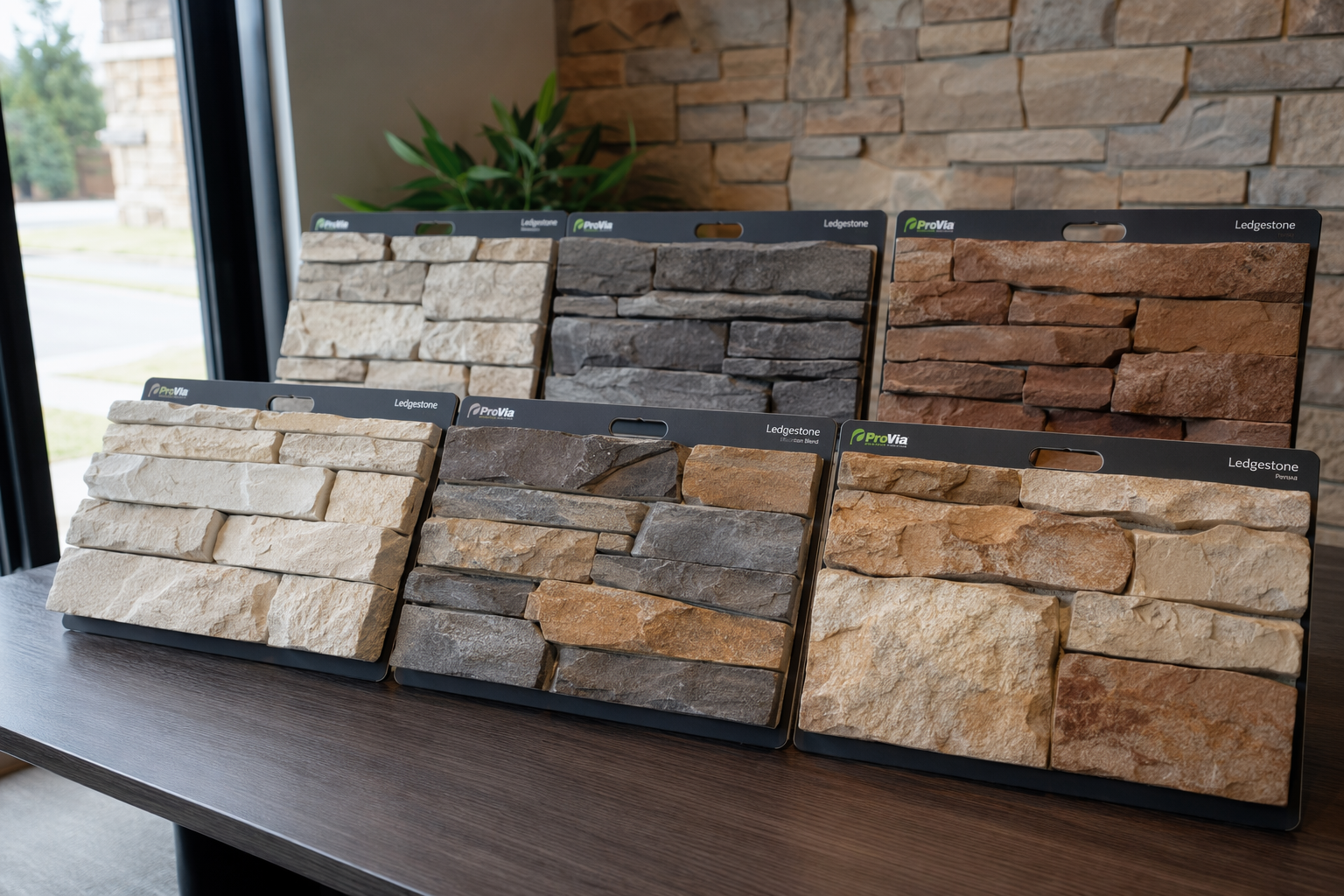 Cultured stone cladding is made to give homes the look of natural stone cladding. This works well in places where weight, a steady finish, and easy use are important. Many people also put it with stone veneer solutions, as it lets you add a stone-like layer to walls. You do not have to use big, heavy blocks.
There are many clear benefits. You get a strong architectural look, texture, and good aesthetic appeal. Most stone cladding products are low maintenance, last a long time, and can be used easily on both interior and exterior walls. To pick the right one for your home, it is good to know what makes cultured and natural stone options different.
What is Cultured Stone and How Is It Different from Natural Stone?
Cultured stone is made to look like a natural stone wall, but it is not real stone. It is a type of cultured stone, used for a thin outer layer to give the look of stone, but without being a full stone wall. This is good if you want the style of stone, but do not want a thick, heavy masonry wall.
Natural stone wall cladding is different. It is made by cutting thin layers from real natural materials, such as sandstone, slate, limestone, marble, or granite. With these, you get the real mineral feel, natural variations, and clear texture. Every piece from natural stone cladding is unique, and it is hard to copy the same look from piece to piece.
So, what is the main difference here? With natural stone cladding, the thin layers come right from the natural stone itself. Stone veneer, on the other hand, is man-made, and you can make it lighter, or get the same look every time. People often like both options, but you have to pick based on the finish you want, the price you want to spend, and the type of wall you are trying to get.
Main Properties of Cultured Stone Cladding
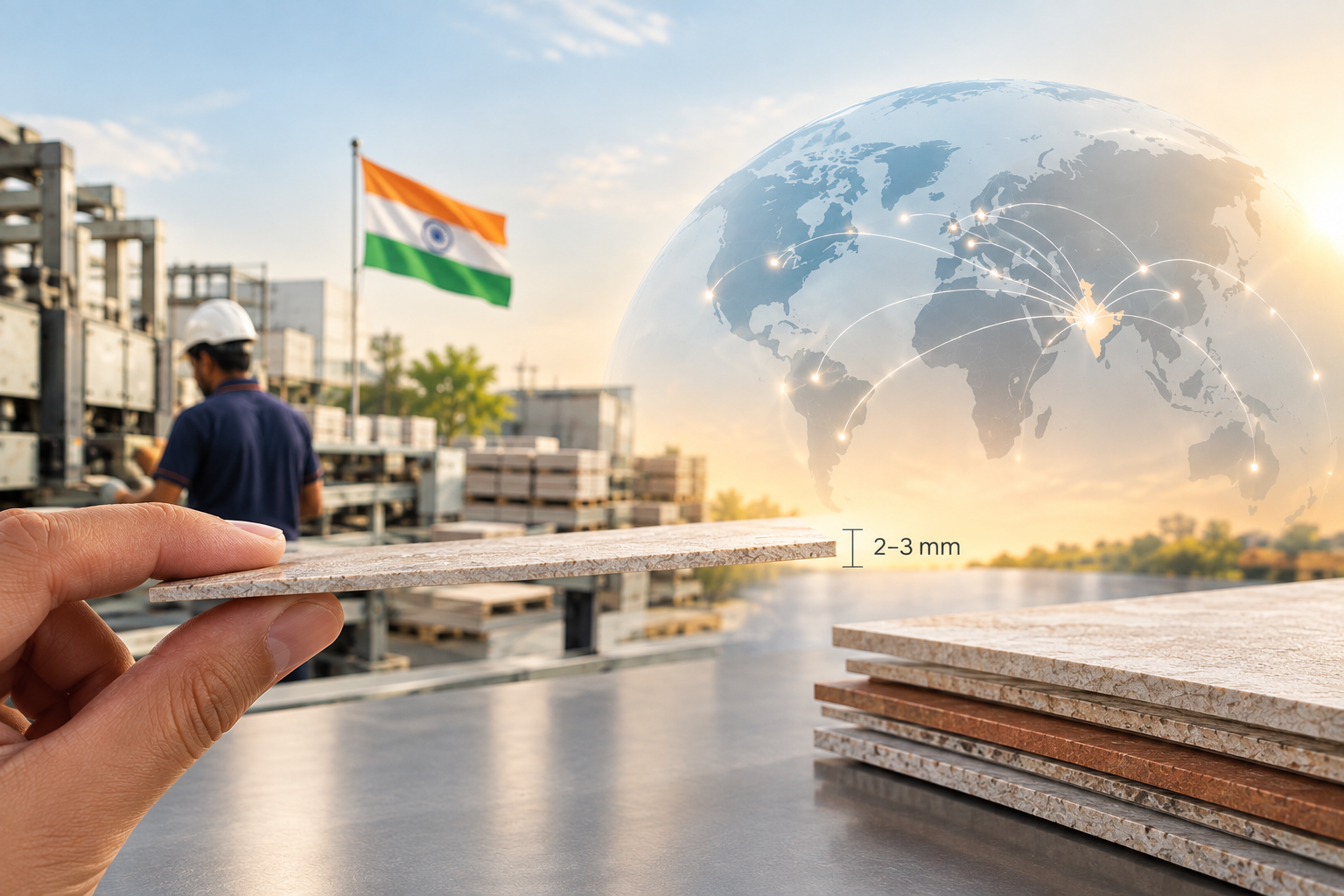
Cultured Stone Cladding is popular because it makes walls look like they have natural stone, but it stays useful for new builds. This type of stone cladding is applied in thin layers over surfaces that have been made ready. That gives walls texture and depth without the heavy load of real stone work.
Many people pick it because it is easy to keep clean. Though it is made to copy the texture of natural stone cladding, it gets chosen in places where having low maintenance is important, along with style.
- It gives a strong look like stone tiles and stacked stone surfaces.
- It uses thin layers, so wall work is simpler to plan.
- It fits homes that want minimal maintenance and a tidy look for years.
- Light cleaning and quick checks help keep it looking good.
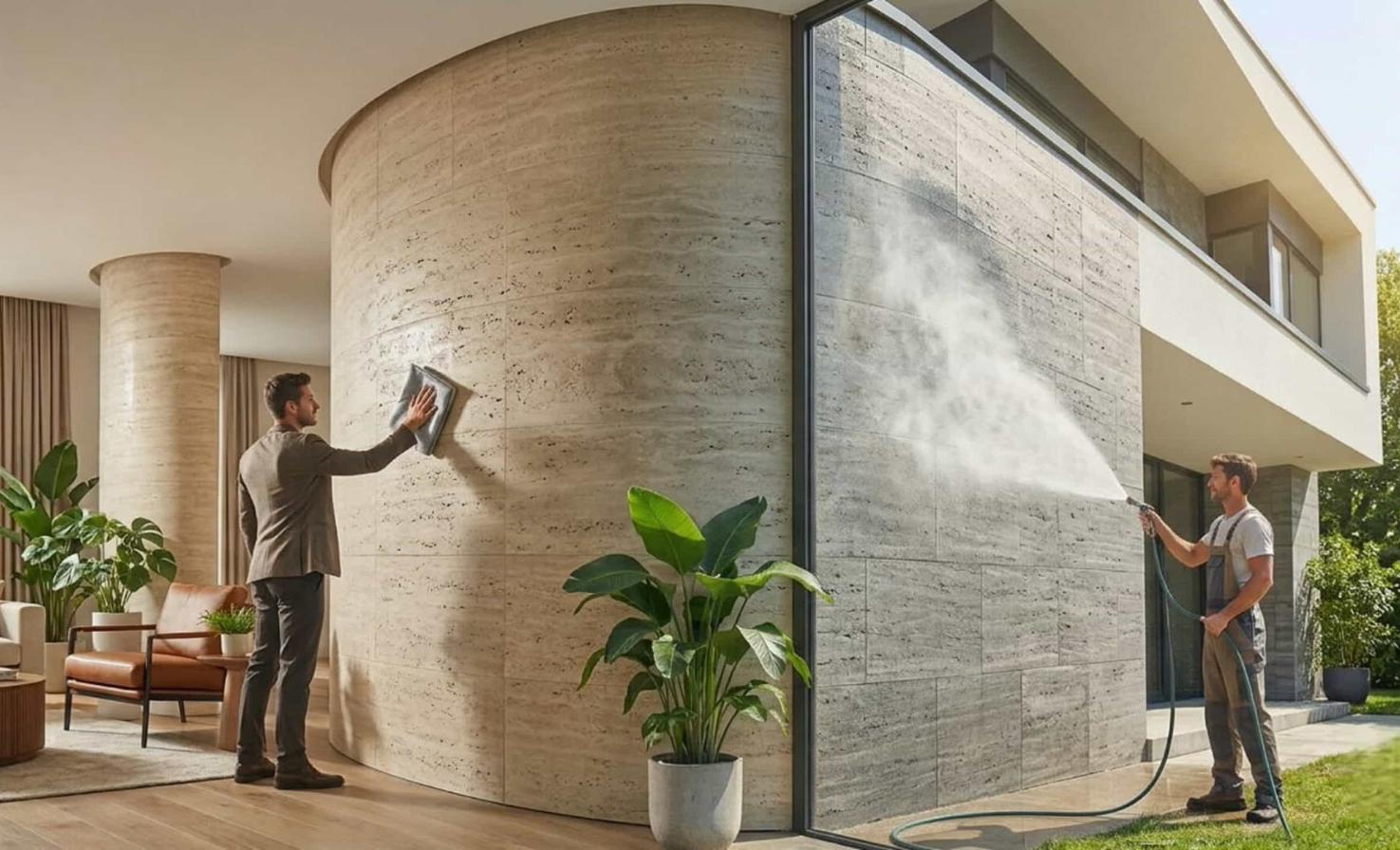
For normal cleaning, you may use a soft brush or something gentle. Good fitting and simple care help it last and look well.
Popular Types of Cultured Stone Cladding in India
Across India, people usually like finishes that look like the beauty of slate, sandstone, granite, limestone, marble, and basalt. These types of stone are some of the best known and be used for new stone cladding options in homes and offices.
Cultured Stone vs Real Stone: Key Differences Explained
Many homeowners ask the same question: should you choose cultured stone or real stone? The answer depends on the finish you want, the wall condition, and how much natural variation you are happy to see. Both can create a striking stone wall, but they do not behave in exactly the same way.
Natural stone cladding is cut from real stone and used in thinner sections for walls. Stone cladding can be natural or engineered, but in common use it often refers to a facing layer that gives the effect of stone without full stone thickness.
| Feature | Stone Veneer | Natural Stone Cladding |
|---|---|---|
| Material basis | Surface layer, often engineered or cut thin | Real quarried stone in usable wall sections |
| Look | More controlled and uniform | Rich natural variations and authentic depth |
| Weight | Often lighter | Usually heavier |
| Finish character | Consistent | Unique from piece to piece |
| Typical use | Decorative facing | Interior and exterior wall cladding |
Choose based on the wall, the design brief, and the finish quality you want to achieve.
Comparing Cultured Stone to Natural Stone Cladding
Cultured stone cladding is picked when you want a neat finish, easy planning, and a stone-like look. Natural stone cladding stands out for its true mineral feel, natural variations, and rich surface texture. Both can help a home look good, but they meet different needs.
If you want your outside walls to feel more in touch with natural materials, think about the stone type you will use. Many people look at granite, quartzite, basalt, slate, and sandstone. These stone types are liked because they look nice and also handle the weather well, but this can change based on where you use them.
When picking something for the outside, ask a few easy questions. Will the wall get a lot of sun, rain, or moisture? Do you want a rough surface or a cleaner finish? Natural stone cladding gives a timeless appeal. Cultured stone cladding can be a smart pick where you need every piece to look the same.
Cultured Stone Cladding Design Ideas for Modern Indian Homes
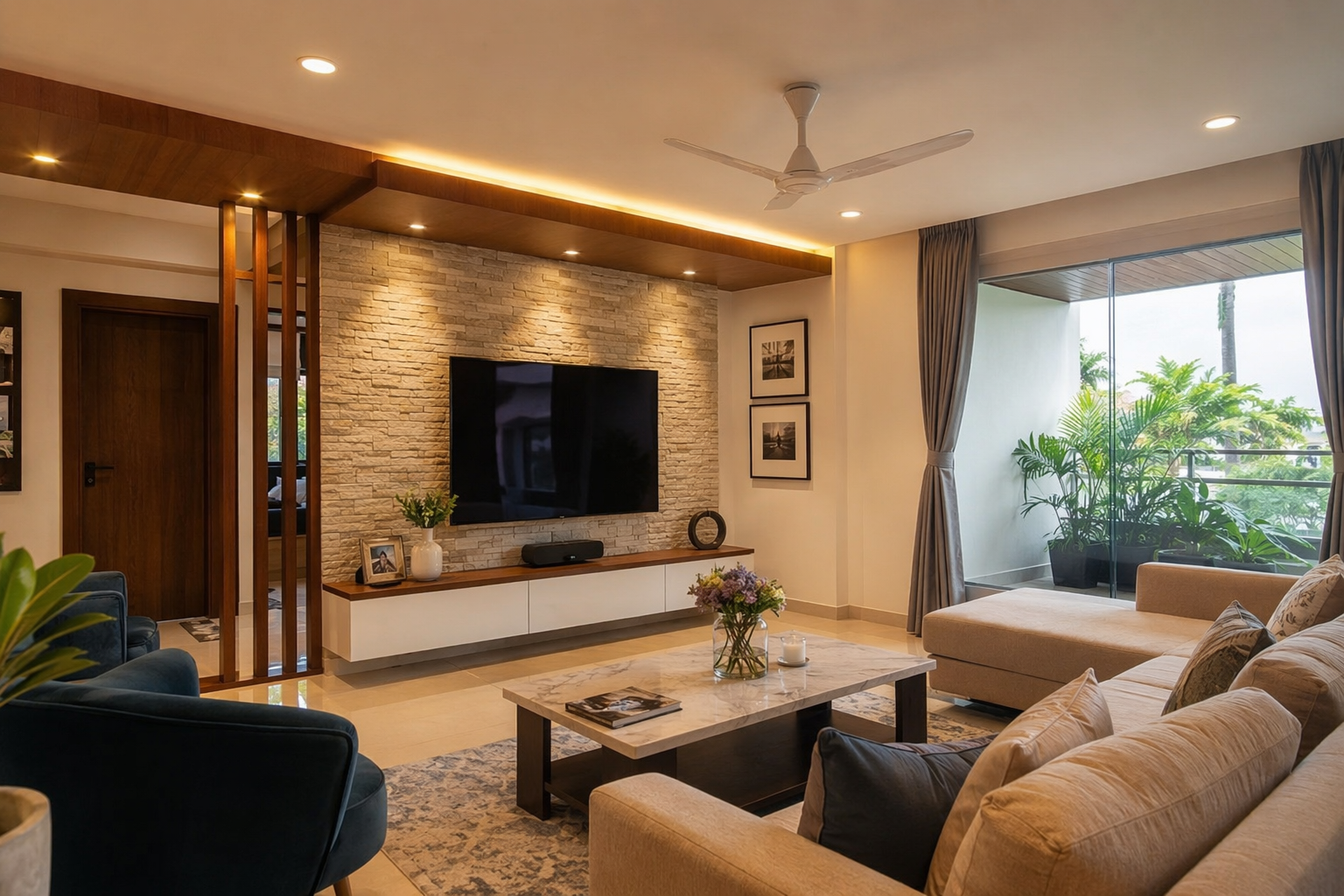 Today, wall cladding designs put more focus on how things feel, how light hits the wall, and a look that is simple and tidy. In today’s homes, you can see cultured finishes on feature walls in the living room, staircases, pooja spaces, and entrance zones. Stone wall panels can add more layers to a space and give a stylish, top-end look right away.
When you step outside, the same materials give a modern look to areas like home facades, compound walls, pillars, and the backdrops in a veranda. From rough to simple design styles, the right wall cladding makes a big difference in the feel of space. Now, let’s look at ideas for inside and outside spaces without mixing them up.
Interior Accent Walls and Statement Features
Inside the home, stone finishes go well where people often look. This might be a living room wall, a stair wall, a pooja spot, or the wall behind a bed. In each scene, cultured finishes and stone wall panels add depth but don’t make the room feel heavy.
You can use the stone wall style to make calm areas or bold ones. This idea suits both modern interiors and homes that are more classic. Texture works nicely with wood, metal, lighting, and neutral colours.
- Turn a simple living room wall into one of the home’s main accent walls.
- Use interior feature walls behind sofas, televisions, or headboards.
- Add an interior stone wall to stairs and hallway paths.
- Highlight pooja spaces, spots, or reading corners with stone wall panels.
Stone cladding works for both interior and exterior walls. You just need to pick the right product and the best finish for the space.
Striking Exterior Facades and Boundaries
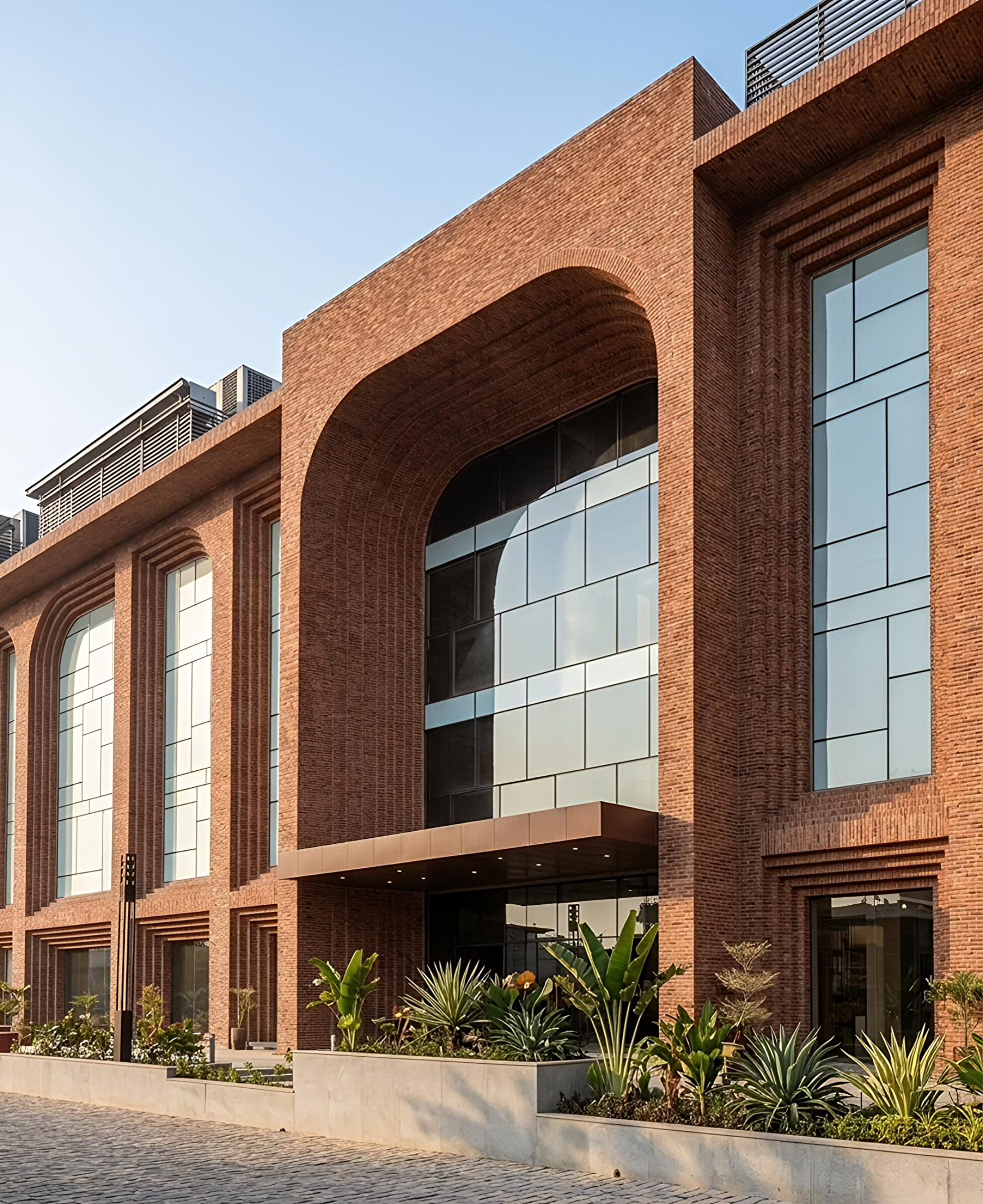
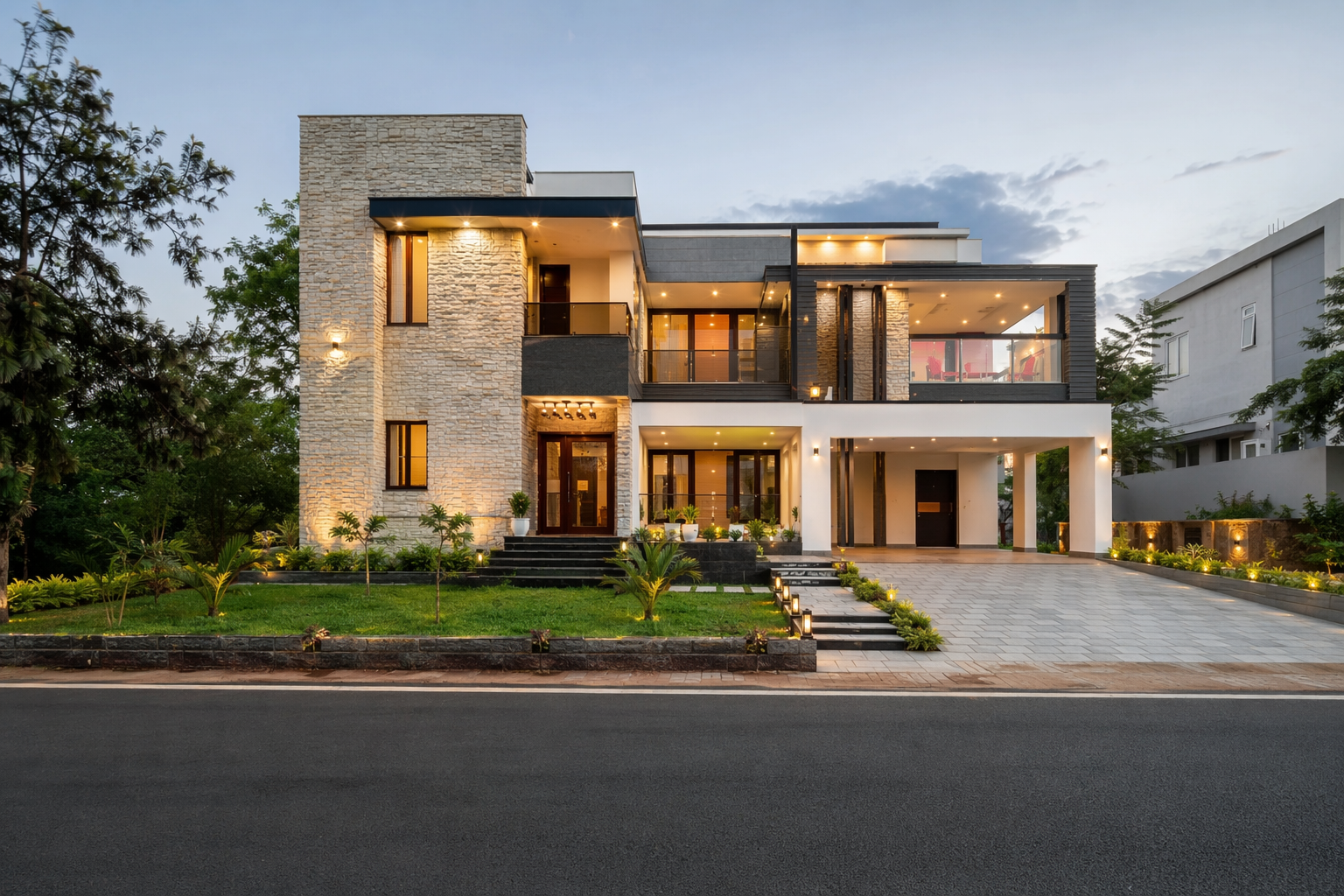
First impressions usually start before you even get to the front door. This is why many people use exterior stone cladding on entrance walls, the main parts of the house you see first, veranda backdrops, and pillars. It adds depth to what can be flat areas and helps a home look finished and solid.
Exterior facades need finishes that are both strong and look good. Adding textured cladding to a boundary wall does more than standard plaster and paint. Split-face, rock-face, waterfall, and stacked styles are now very common for exterior applications.
When picking natural stone cladding for the outside of your house, it is important to look at how tough the stone is, if it suits the weather in your area, what colour you want, and how much looking after it’ll need. Dark stones usually do well against dust and sunlight. Granite, quartzite, and basalt are dense types of natural stone that are good for places where you need your exterior stone cladding to last a long time.
Key Benefits and Growing Demand for Cultured Stone Cladding
The demand for Cultured Stone Cladding keeps growing. People like it because it has a nice texture and a neat finish. It also gives you low maintenance in one solution. Many homeowners want the walls in their home to look and feel better, but they do not want things to be hard to manage. This is why it has become a popular choice for private homes and even some commercial projects.
This cladding also brings strong visual appeal. It can help lift your property value because the space gets a better, finished look. When a material gives you both style and use, it is the ideal choice. The next parts will talk more about these benefits.
Creating Texture and Elegance with Minimal Maintenance
One big reason many people pick stone-based wall finishes is that they turn a flat wall into a lovely textured surface. Even if you use cultured products, you still get a lot of the look and feel of natural stone cladding. This can make both rooms and building exteriors look more special and high-end.
People also like knowing that this kind of finish does not need lots of care. Many surfaces only need a bit of cleaning and the odd check now and then. This mix of good looks and minimal maintenance helps natural stone cladding stay popular year after year.
- It gives your space timeless style and does not rely on paint alone.
- It matches well with natural tones, wood, metal and soft lighting.
- It needs minimal maintenance if fitted the right way.
- A soft brush and gentle cleaning most times keep the finish looking good.
So, with stone cladding on walls, you get the texture of natural stone cladding, classic style, easy care and lasting good looks.
Durability, Weather Resistance, and Feasibility for Indian Climates
India’s weather can be hard on buildings. The heat, moisture, dust, and rain all test the outside of a house. That is the reason outdoor stone cladding is still popular. If you choose natural stone, it will stand up to these harsh weather conditions better than many thin or plain wall finishes.
Natural stone lasts longer and does not wear out as quickly. It can keep your walls safe and strong while giving your home a good look. Stone also helps to keep indoor temperatures more steady because it has good insulation. So, using outdoor stone cladding is a practical choice for many people.
To look after your stone, keep it free of dust. Wash it using mild soap and water. Do not use strong chemicals. If the stone is more porous, use a sealant when it is needed. How you install the stone is very important, not just how you care for it after it is in place.
Practical Considerations: Choosing and Installing Cultured Stone Cladding
Before you choose from the many stone cladding options, you need to think about where you want the finish, how much texture is right for you, and what kind of upkeep fits your life. The type of stone or finish you use should help your design goals, not work against them.
You also have to plan how you install it. You need to look at the stone layout, the size of the tiles, the way the base looks, how to protect against moisture, and the fixing way. A lot of stone cladding tiles come pre-cut, so the work gets done faster. But you still have to handle them the right way. Let us split this into picking the right stone and putting it on. This way, you can make better choices.
Selecting the Right Type and Colour for Your Home
Picking the right finish depends on the room or outside wall you are working with. Lighter surfaces can make spaces inside look bigger, while darker cladding is good for the outdoors as it hides dust and is better under strong sunlight. You should also look at what the surface will be near, like the flooring, wood, metal, and paint.
Natural stone comes with natural variations, so each wall will be a bit different. This is one of the things people like about it. If you want everything to look the same, you can use cultured finishes. For both, pick a colour that helps set the mood you want in your home.
- Match the type of stone with how much light, weather, and use the area will get.
- Pick natural tones for walls that feel calm, balanced, and will go with many other looks.
- Think about how the stone tiles will work with your current design styles.
- Always look at samples in daylight before you make your final choice.
For outside, strong and weather-ready surfaces are often the best way to go.
Installation Process and Essential Maintenance Tips
A good installation always starts with getting the wall ready. The wall needs to be clean and strong. It must be able to hold the finish well. You may have to add something to keep moisture out. Make sure to plan the stone layout before you begin. This helps to stop any uneven joints and strange cuts.
Next, fix the chosen stone panels. Use the right way that fits their weight and size. Light stone panels can be put up with glue. Heavier stone types may need mechanical support. When everything lines up well, finish the joints and clean the face.
- Prepare and level the wall before any fixing starts.
- Finalise the stone layout and apply adhesive on the wall.
- Place the stones over the wall as layout allows.
- Clean with a damp cloth or soft brush after installation.
- Use a protective layer or sealing treatment where the stone type requires it.
These tips help keep stone panels looking good, and safe. They also make sure cladding stays neat and consistent for years.
Conclusion
To sum up, adding cultured stone cladding to your home can really change the look and feel of your space. It makes your home look better and also lasts a long time. You do not need to do much to take care of it, so it gives great value. Cultured stone comes in many styles. This makes it a good pick for Indian homes.
You might want a bold accent wall or a front that stands up to bad weather. With stone cladding tiles, there are many ways to use them. Go for this stylish and easy choice to bring a fresh and warm look to your place. If you want to make your home’s design better, look for top stone cladding tiles online now and find what suits you best.
Frequently Asked Questions
Can Cultured Stone Cladding Be Used for Both Interiors and Exteriors?
Yes, you can use wall cladding on many exterior applications and interior feature walls. You just need to check that stone wall cladding fits the location. Stone wall cladding is good for modern interiors, facades, and boundary surfaces. It gives texture, more depth, and is low maintenance if you look after it the right way.
How Much Does Cultured Stone Cladding Cost Per Square Foot in India?
The price for each square foot changes based on the material, size, finish, and type. In the market examples, stone cladding tiles came in both budget-friendly stone tiles and more expensive styles. Some stone cladding options started at about ₹110 per sq. ft. The cost can be much higher for special designs and commercial projects.
Where Can I Find Quality Cultured Stone Cladding Tiles Online in India?
You can get stone cladding tiles online from suppliers in India and cladding brands that sell stone cladding products. These are good for the inside or outside of a home or other place. You will see a wide range of options in sizes, finishes, and stone wall panels. Articlad (Elevate Building Solutions Pvt Ltd) at articlad.com gives design-focused projects different architectural cladding ideas.
Articlad (Elevate Building Solutions Pvt Ltd) helps with wall cladding by offering stone cladding, cultured stone cladding, brick cladding, flexible cladding, concrete cladding, translucent concrete, canvas concrete, interior cladding, exterior cladding, architectural cladding, and facade cladding. The brand is known for its Made in India solutions and a 25-Year Warranty.