Key Highlights
- Earth materials support architectural design that feels warmer, quieter, and easier to live in.
- Natural materials often improve comfort through texture, colour, and a stronger link to nature.
- The psychological benefits include lower stress, steadier mood, and better mental health indoors.
- Biophilic design uses earth materials to strengthen your connection with the natural world.
- Sensory qualities such as touch, light, and tone shape spatial ambience in subtle ways.
- Even Wall Cladding choices can influence how calm, grounded, and secure a room feels.
Introduction
Architectural design is about more than how things look. It changes the way you feel and think in a space. It helps you settle in, too. When natural materials are used with care, they support human health. They make indoor environments feel softer and more balanced. They also help us feel closer to the natural environment. Earthy finishes, textures, and colours give off a calming vibe that most synthetic counterparts can’t offer. That is why it is important to think about the psychology behind these materials in homes and shared spaces.
Understanding Earthy Materials in Architectural Design
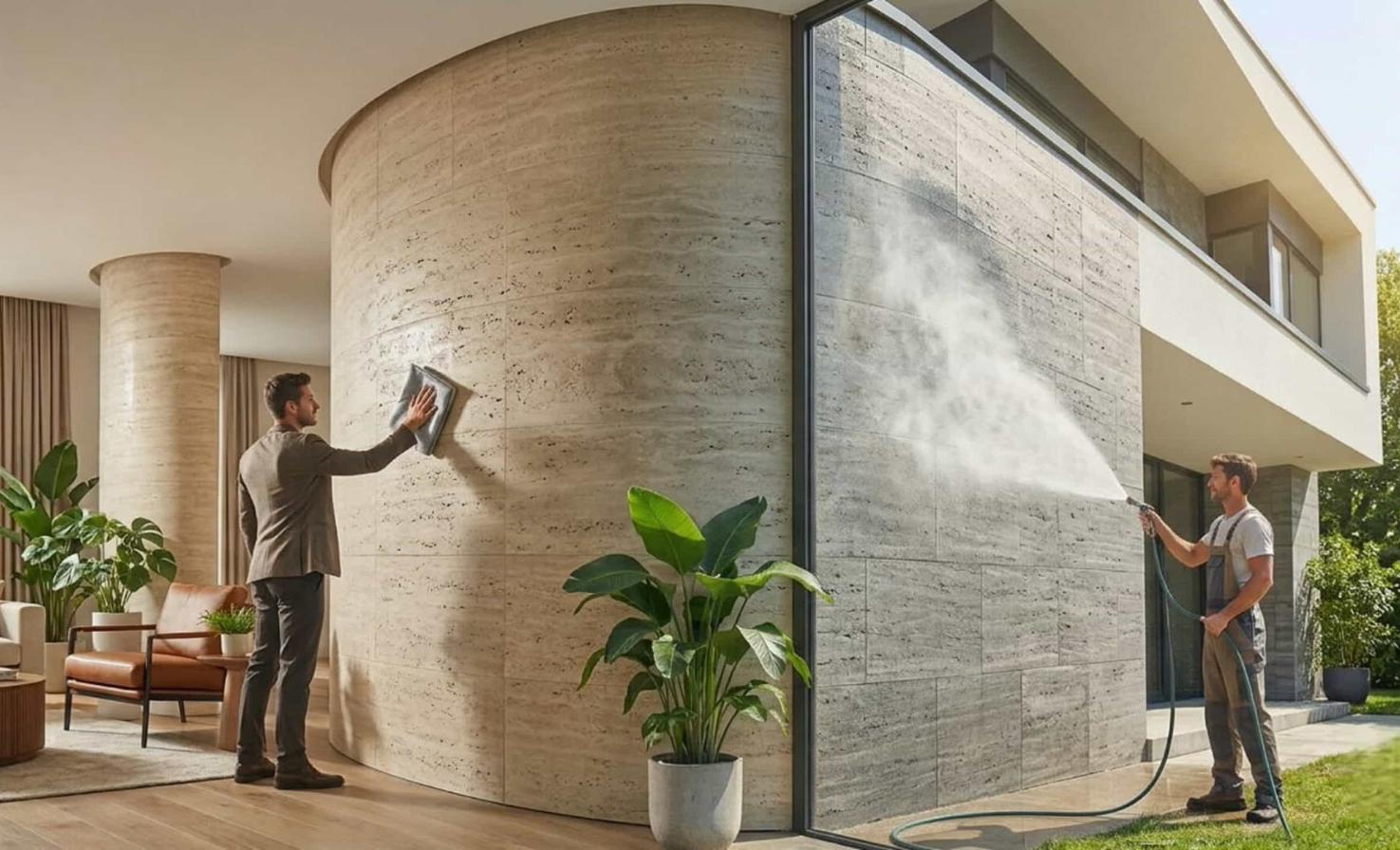
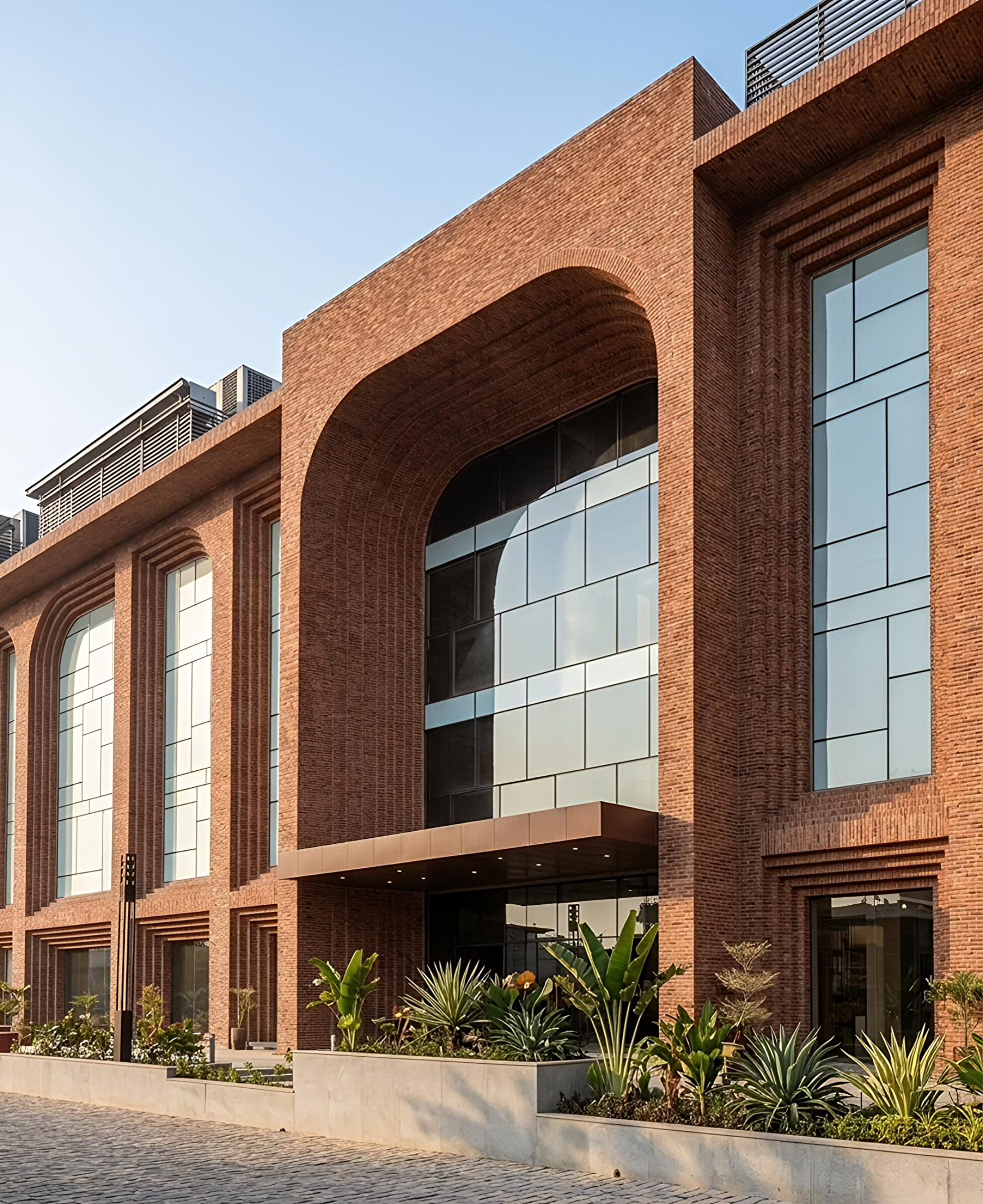
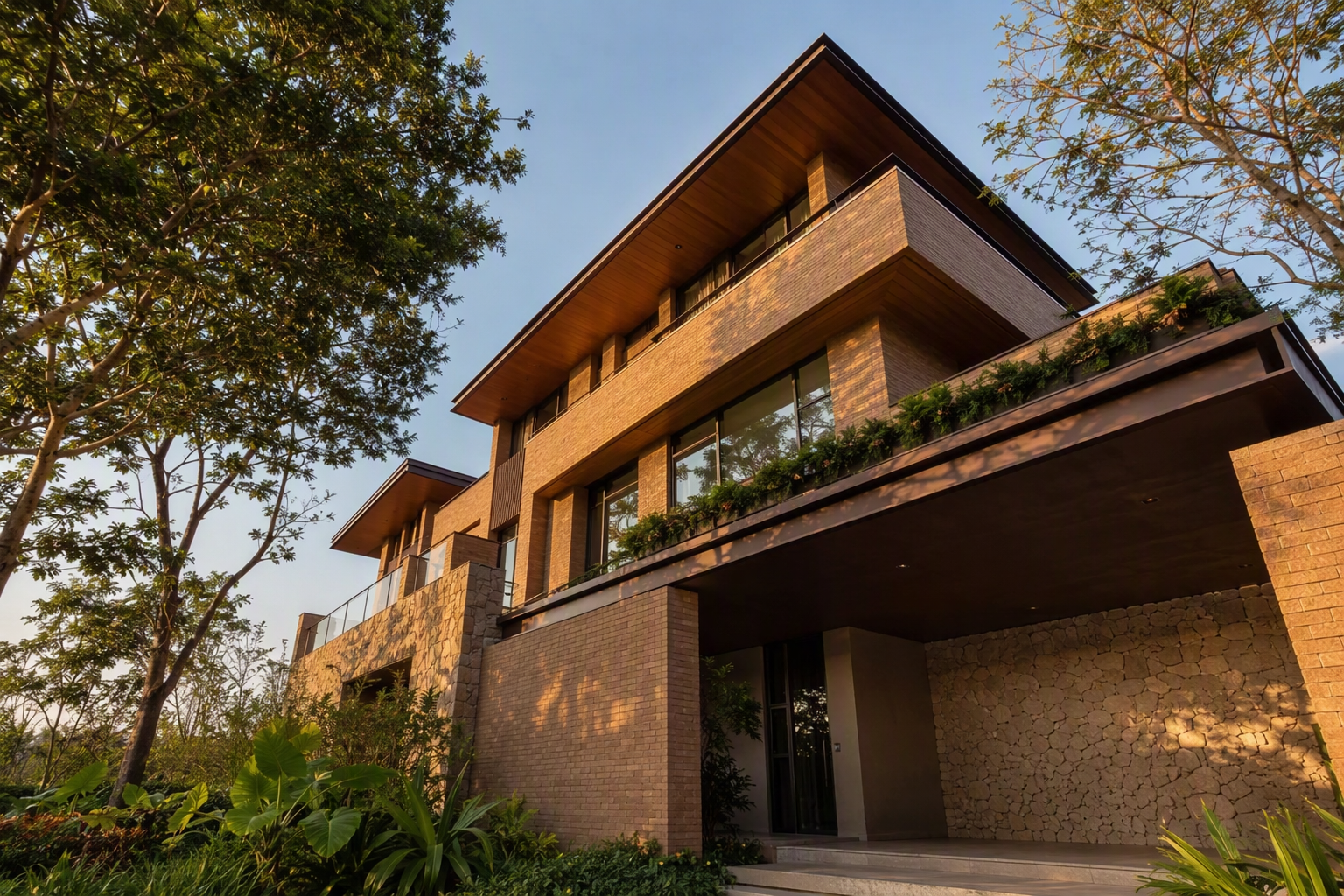
Earth materials are things like clay-rich cladding like flexible cladding, rammed earth, brick blocks, and cultured stone cladding. These building materials come from the ground. You will often see them used in architectural design. They are picked for sustainable architecture because they work well and give a look that is close to nature.
They do more than that. You can feel them through touch, see their colour, notice how their surface changes, and watch how they react to natural light. In earth construction, these traits help a room be quieter and more calm. If you want to know why, you should look at what makes them special and at their long use through time.
Characteristics of Earth-Based Materials
Earth-based materials stand out because they look and feel honest. They do not look fake like many processed construction materials. You can see the natural grain, tonal changes, and small differences you feel when you touch the surface. This gives the surfaces more depth and helps you feel more sure that you are in a true space in indoor environments.
If you look at it from a practical side, building materials like flexible clay cladding, brick and cultured stone are made to be steady and useful. Some methods help increase the tensile strength by using the right mix and the right way to build. This means these building materials can both help hold up a place and be used as finishing surfaces in architectural practice.
When you are inside, the effect on your senses is fast. The surfaces can feel matte and not shiny, warm and not hard, and give a quiet look rather than too much for your eyes. This soft way of using material helps you pay attention, rest, and feel at peace. These feelings are even stronger when indoor environments also have natural light and some other natural elements.
Historical Significance of Earthen Construction in India
In India, earth construction is linked closely to history. People have used local soil and shapes that suit the weather. They built homes and spaces with simple tools and skills to craft clay brick stones. These buildings feel like they belong here. This way of building still shapes architectural practice throughout the country.
Rammed earth is a clear example of this. People used rammed earth for walls and boundaries in different parts of India. These walls work well against heat and light and fit with the land around them. These ways were not just useful. They also helped set the mood of homes and places where people spend time together.
This has an impact on mental well-being. When buildings use earth materials and look like their natural surroundings, people say they feel safe and at ease. These materials can help us feel comfort, belonging, and a strong link between human beings and the world around them.
The Fundamentals of the Psychology of Materials
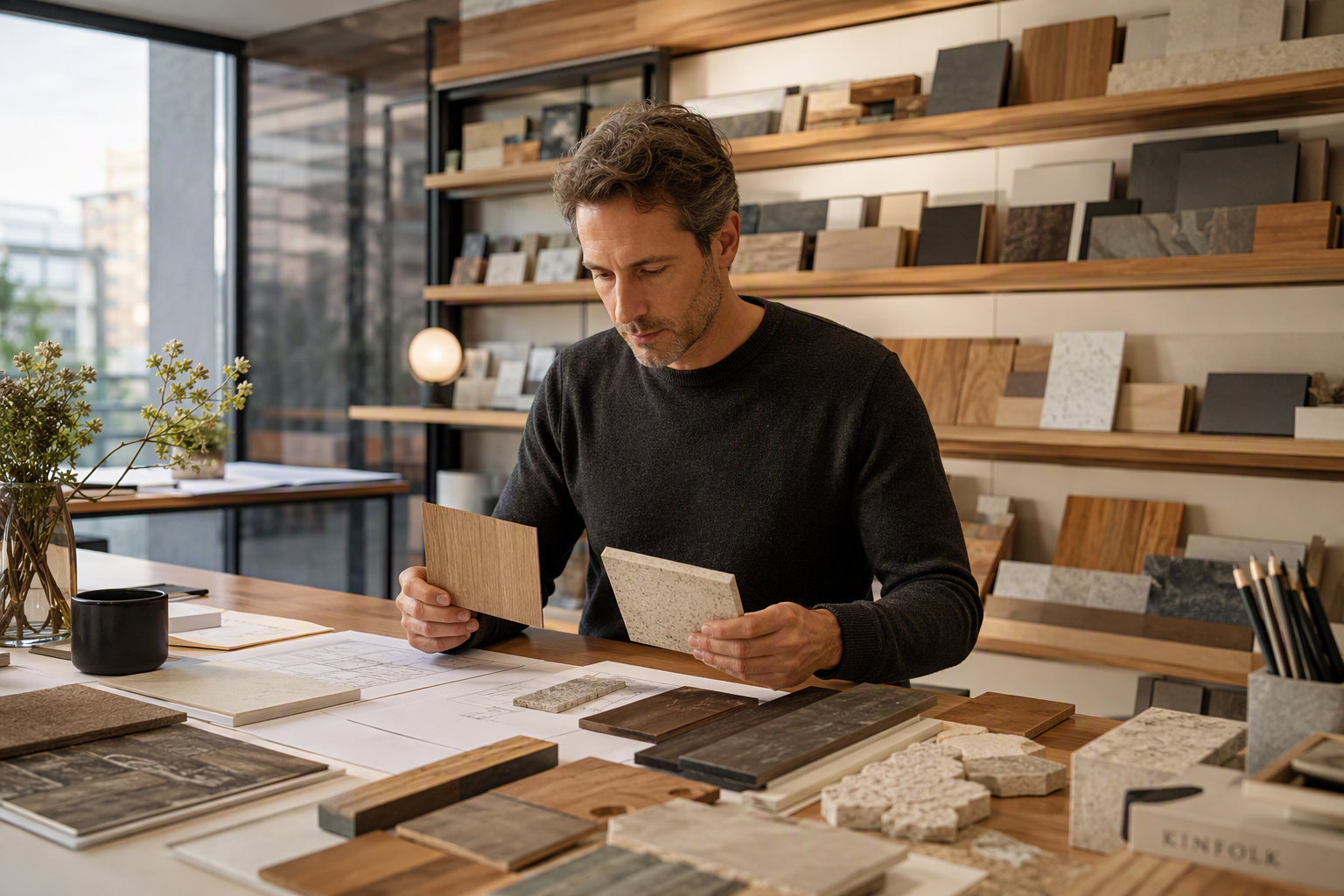 The psychology of materials looks at the way surfaces, colours, and textures can affect your emotions, mental health, and how you act. In architecture, building materials are not just there by chance. They play a part in making a room feel safe, cold, lively, or restful.
Behavioural sciences and neuroscience both show that people react fast to material clues. This happens even before they know it. Earthy finishes tend to cause softer feelings than strong, highly processed surfaces. To know more about this, it is good to look at behaviour, biophilia, and how materials are seen in daily life.
How Materials Influence Human Behaviour and Emotions
Building materials help shape how you feel about a place in just seconds. Even before you talk or sit, you can tell if a space feels nice or not. The texture, colour, reflectivity, and temperature of materials can change how you feel and how you act in indoor environments.
Earthy materials often help people slow down and feel calm. Their soft surfaces and earthy tones can make your eyes less tired and help you feel comfortable. Hard, shiny finishes might feel sharper and not as welcoming, especially in busy interior design spaces.
This is why earthy materials in architecture matter for your mood. They make a place feel easy, warm, and stable instead of tense. For people who use and work in indoor environments every day, these small details can help them concentrate, feel better with others, and boost the emotional state of the space.
The Concept of Biophilia in Architecture
Biophilia is the way people often want to feel close to the natural environment. In biophilic design, this idea is used in real life by bringing in things like natural light, greenery, and plenty of elements of nature.
Earthy materials are a big part of this because they make indoor spaces feel more like the natural world. If you add indoor plants, natural light, water features, or even just a view of green spaces, you get a stronger link to nature while you stay inside.
This connection to the natural environment is good for your feelings. It helps a room not feel so tiring or fake. When you look at earthy surfaces and earthy colours or touch natural finishes, it gives you a sense of harmony. All these things make biophilic design very useful in homes, public spaces, or commercial buildings because people want places that help them feel good.
Neuroscience Behind Material Perception
Neuroscience shows why the things you see and touch can change how you feel so fast. Human beings pick up on colour, texture, and light right away through the senses. This means the look and feel of materials in the built environment can shape your emotions before you even know it.
When you see natural and balanced surfaces around you, your brain has to do less work to handle what’s happening in the space. In these calmer indoor environments, you may find it easier to pay attention. Your feelings will not be as strong or as quick, and you may not get as worked up or defensive.
This helps show why earthy materials can boost your mood. These colours and feels are something you and many people already know well. They make the space seem stable and simple to understand. In your daily life, this means you get less upset, feel more comfort, and have a strong sense of control over your space. All this is good for your mental health.
How Earthy Materials Shape Spatial Ambience
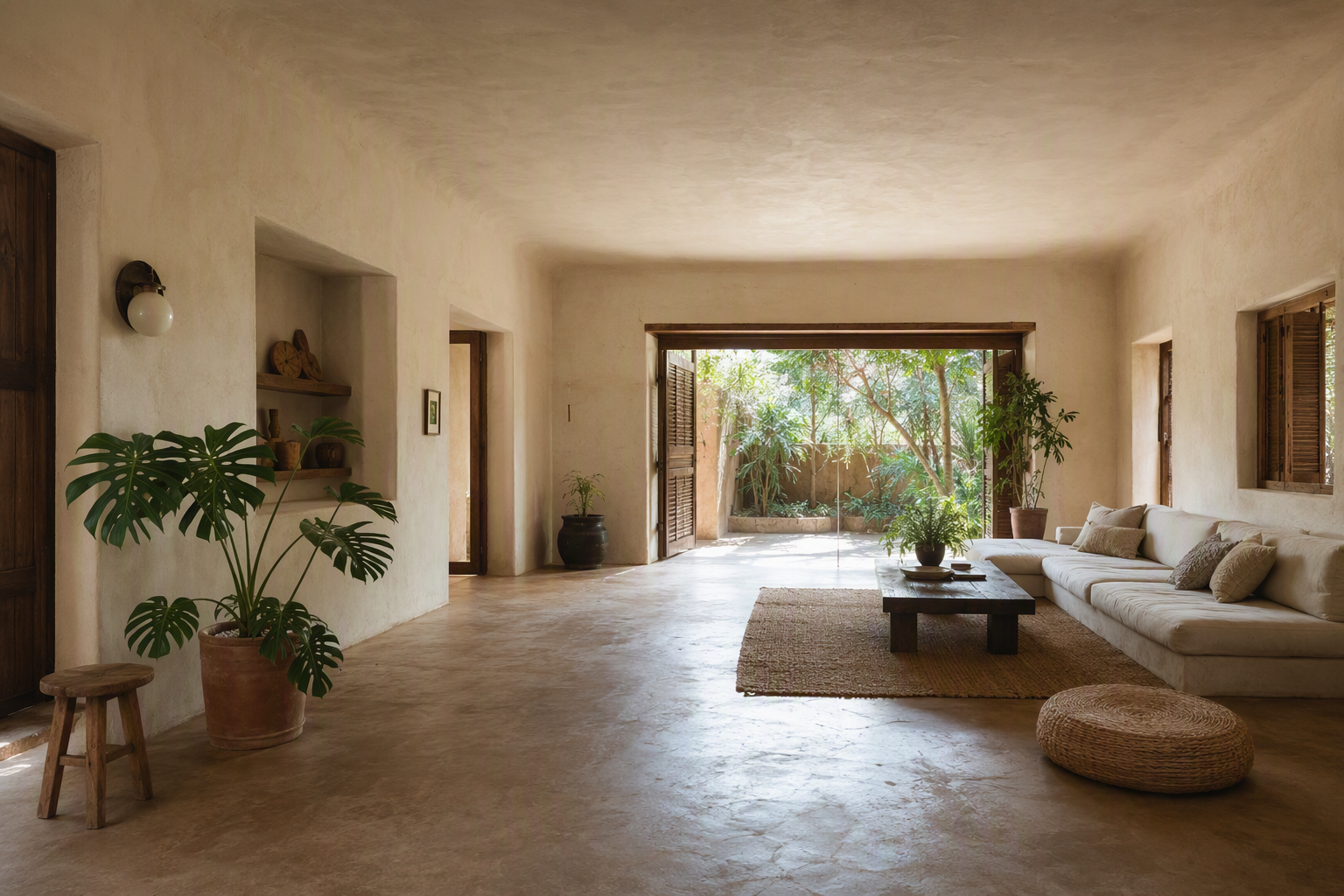 Spatial ambience is shaped by more than just how the room is set out. In architectural design, earthy tones, texture, and how deep surfaces are all work with light and size to change how you feel when you walk in.
These design elements reach you through your senses, so they help the sense of harmony right away. Earthy architectural materials can seem warmer, softer to the eye, and can give the body a calming feel. The next parts will show how texture, light, and quiet come together in that feeling.
Visual Warmth and Textural Comfort
Visual warmth comes from muted browns, clay shades, sand tones, and other earthy colors. These colors make indoor environments feel settled and welcoming. This happens more often when you compare them to colder and glossy surfaces.
Textural comfort is important too. Building materials with grain, variation, or a hand-finished look slow down how you take in a space. You do not just see these materials. You can sense their softness, weight, and character. That gives a richer feeling of the material without making the room feel messy.
When you have both visual warmth and textural comfort, people relax more. Rooms feel less formal and not so distant or cold. This is why earthy materials are seen as calming in interior design. They help create a peaceful environment. The harshness is reduced, and you get more comfort in spaces you use every day.
Light Absorption, Reflection, and Emotional Tone
Light changes everything. Earth materials usually absorb and reflect natural light in softer ways than glossy finishes. In interior design, this can reduce glare and create a more balanced emotional tone throughout the day.
That balance affects psychological comfort. When surfaces respond gently to changing daylight, your emotional state often stays steadier. Earthy textures can also add depth without visual noise, which helps rooms feel calm rather than flat.
| Surface quality | Effect on light | Likely emotional tone |
|---|---|---|
| Matte earth materials | Soft light absorption | Calm, grounded, restful |
| Light textured surfaces | Gentle reflection | Warm, approachable, balanced |
| Highly reflective finishes | Strong glare and contrast | Alert, sharp, sometimes tiring |
This is why earthy colors and textures often improve comfort. They make natural light feel supportive instead of demanding.
Enhancing Spatial Calm and Security
A peaceful environment is often about whether a place feels stable and safe. Earthy materials help make a space calm. They give walls and surfaces a sense of weight, softness, and they look reliable.
Natural elements play a part here as well. When earthy finishes are used with natural light, open spaces, indoor plants, or other natural surroundings, rooms feel better for human health. You may notice there is less visual stress and a stronger sense of ease.
So, can this reduce stress or anxiety? In many cases, it can. Architecture with earthy materials often lowers tension you feel in your senses. It also creates a more steady mood. This does not fix every problem, but it can make your life feel safer, quieter, and easier to handle each day.
Psychological Benefits of Earthy Materials in Living Spaces
Using natural materials indoors can help you feel good. These things look soft, feel nice, and remind you of nature. They help make your home feel warm and calm, not stressful.
They give you what you need the most, like safety, comfort, and a quiet space. People notice less stress and a better mood in homes with natural materials. You can see these good changes every day.
Reducing Stress and Anxiety Through Natural Elements
Stress reduction often starts with the built environment. If your home feels too harsh, too bright, or has too much going on, your body may stay on alert. Earthy materials can help calm that feeling. This happens through colour, texture, and a stronger sense of shelter.
Natural elements boost the effect too. Green spaces, indoor plants, water features, and natural light all mix well with earth finishes. They help match the indoors to the natural world rather than cause a clash. That link can help ease worries as time goes on.
So, architecture that uses earthy materials can cut stress for many people. It helps your senses work slower and makes you feel more comfortable. In daily life, this might mean less tension, better sleep, and indoor spaces that are easier to enjoy for longer.
Earthy Materials and Improved Mood and Happiness
Mood is shaped by what you see and feel each day in your indoor environments. Earthy materials can make that space warmer and help you feel more grounded. They also make the room feel less busy. This can support a better emotional state.
Happiness at home does not come from just one big thing. It comes from feeling comfortable all the time. If surfaces feel natural and balanced, people can find it easier to use, rest, and connect with the space. This helps people feel good about their home.
Scientific research shows that natural indoor environments and material qualities often bring emotional benefits. People may respond in their own way, but earthy materials in buildings tend to help you feel calm and closer to the place. This can be why many people are happier with natural and grounded finishes.
Conclusion
To sum up, adding earthy materials to the design of buildings makes spaces look nicer. It also helps people feel better. These materials bring the feeling of nature into your space. This can help lower stress and anxiety. People often feel more calm and happy in these settings. When you use different textures, colours, and natural elements, any room can turn into a peaceful place for your body and mind.
When you see how deeply natural elements shape how people feel and act, designers and architects can plan spaces that look good and help people feel rested. If you want to find out how earthy materials and natural elements can make your home better, you can ask for a free consultation.
Frequently Asked Questions
Can earthy materials in architecture truly improve mental well-being?
Yes, they can help mental health because they make indoor environments feel more calm, warm, and natural. In architectural design, earthy materials fit well with biophilic design. They help cut down on visual stress, make rooms feel better to be in, and help people feel more linked to nature every day.
Are there design mistakes to avoid when using earthy materials in homes?
Yes. Some design mistakes can be seen when earth materials are used with sharp lighting, shiny finishes, or a messy interior design. In indoor spaces, good architectural design should help texture, tone, and natural light work as one. If you use too much contrast, it can take away the calming feeling that earth materials often bring.
Which earthy materials are best for creating a calming atmosphere?
At Articlad, you can also show earthy style with special cladding systems. Brick, flexible and cultured stones in the earthy, neutral, calm and pastel palettes are good for making a calm space. They work well when you mix them with natural elements, soft daylight, and earthy tones. The atmosphere you get can help human health. It makes rooms feel grounded, quiet, and safe.