Key Highlights
- Stone cladding gives you a practical way to add vibrant colors and texture to architectural design.
- Color selection shapes project aesthetics, from calm lightwhite surfaces to deeper, earthy trends.
- Articlad offers dual-tone and multi-tone options, giving you more visual variety with one product line.
- Pigmented finishes help stone cladding look rich, textured, and natural instead of flat or uniform.
Introduction
Stone cladding gives you more than surface protection. It changes how people read a building. In architecture, color, texture, and format work together to shape first impressions, whether you are planning facades, feature walls, or residential projects. Vibrant colors can make natural stone cladding feel bold, calm, refined, or grounded. With modern manufacturing and thoughtful pigmentation, you can now get real visual range from stone veneer while keeping the timeless appeal that natural stone brings to a project.
Exploring the Importance of Stone Cladding Color Choices
Color selection is one of the first decisions that affects how stone cladding will perform visually in a space. It influences mood, scale, contrast, and the relationship between the wall surface and nearby fixture, accessories, and landscape elements. If you want stronger project aesthetics, color cannot be treated as an afterthought.
Just as important, the right shade helps connect the cladding to the wider construction process. Architects, masons, and construction management teams often review color early because it affects the final look of facades and interior walls. The next sections explain how tone, pigmentation, and current trends shape better results.
How Color Transforms Project Aesthetics
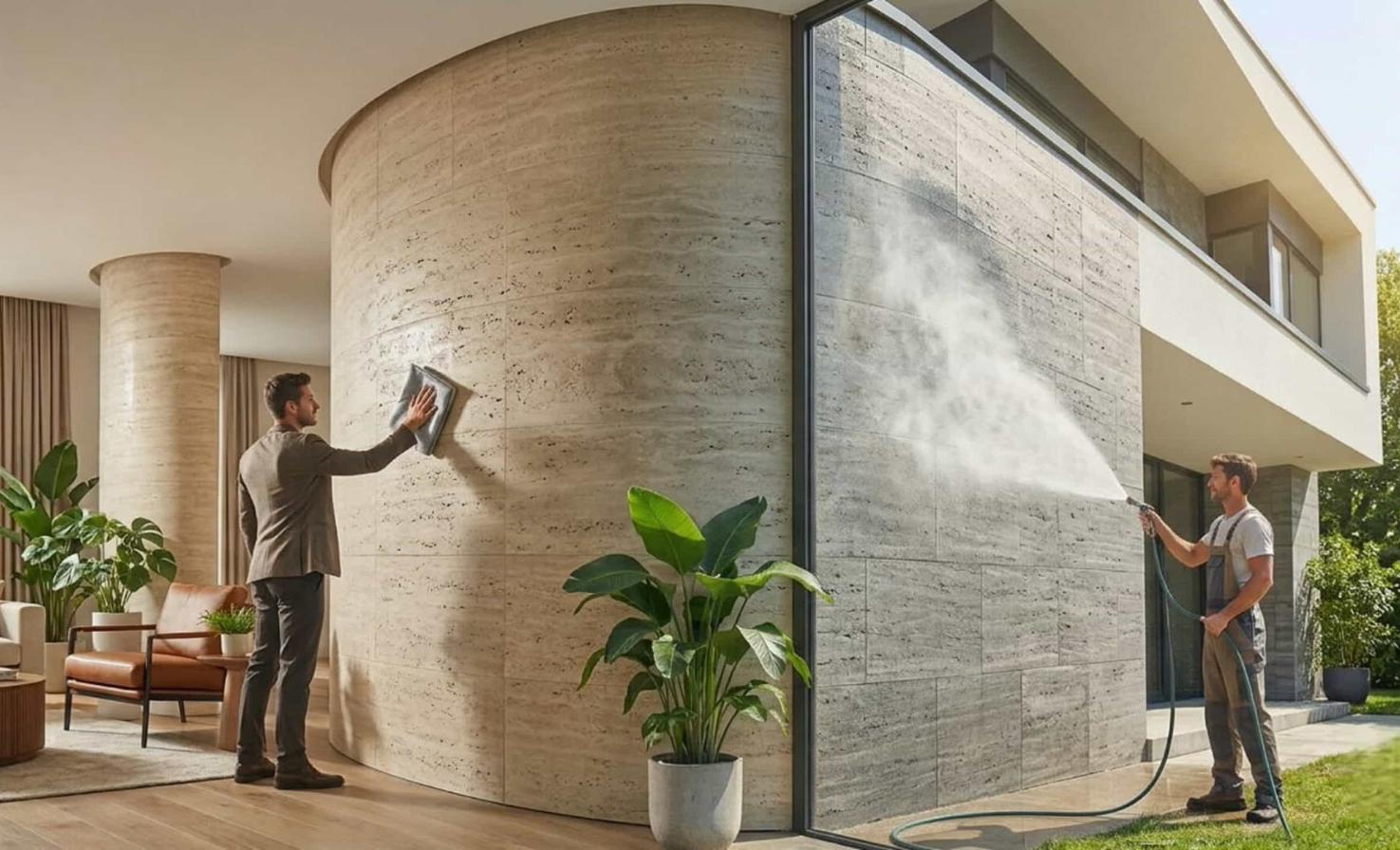
Think about the first thing you notice on a finished wall. Usually, it is not the thickness or the substrate. It is the tone. In natural stone cladding, color drives project aesthetics by making a surface appear warmer, cooler, softer, or more structured. That matters in residential projects where the wall often sets the mood of the whole facade.
Pastel is a useful example. A lighter tone can make spaces feel more open and cleaner in appearance, and it reflects a calm, refined character. In bright areas with direct sunlight, pastel may also reduce the heavy visual weight that darker stone veneer can create on large facades.
From a construction management point of view, color also affects coordination. Architects and general contractor teams often review finishes early so the cladding works with windows, plumbing penetrations, heating points, and other visible details.
The Role of Pigmentation in Stone Cladding
Pigmentation plays a major role in how stone cladding looks once it is installed. In manufacturing, added color helps create depth, tonal variation, and a more controlled appearance across each piece. That is important when you want consistency without losing the natural feel associated with real stone.
A lighter shade product is usually distinguished less by a special structural property and more by its visual identity. The shade stands apart because it gives you a brighter surface, a cleaner finish, and a more open look than darker sandstone, slate, or earth-toned veneer options. It can also make textured surfaces easier to read.
For you as a specifier or buyer, pigmentation expands choice. It allows one cladding line to deliver dual-tone, multi-tone, and light shades while still aiming for the textured, natural stone character that modern projects expect from quality manufacturing.
Color Trends Influencing Modern Architecture
Across modern architecture, color trends are moving toward surfaces that feel natural but still look intentional. Designers often balance real stone texture with cleaner palettes, especially on facades, fireplaces, and large-format wall systems. That is why light neutrals, layered grays, and controlled multi-tone blends continue to stand out.
Lightweight fits this shift well. It does not just brighten a wall. It also supports a more contemporary appearance by helping the masonry lines, patterns, or linear layouts read clearly from a distance. On larger elevations, that can improve overall appeal without making the building look busy.
- Light tones help large facades feel lighter and less imposing.
- Dual-tone mixes add movement without losing a natural stone look.
- Structured palettes suit both residential projects and commercial settings.
The Articlad Advantage: Wide Range of Vibrant Colors
Articlad gives you flexibility that many standard stone cladding products do not. Its wide range of vibrant colors supports both subtle and bold design directions, making it easier to align the cladding with your project style. This matters when you want one material family to serve different rooms, facades, or site conditions.
The added value comes from variety within a natural-looking finish. Articlad’s pigmented surface approach allows more tonal expression while keeping the texture expected from stone cladding. That makes the next design options especially worth exploring.
Dual-Tone and Multi-Tone Stone Cladding Options
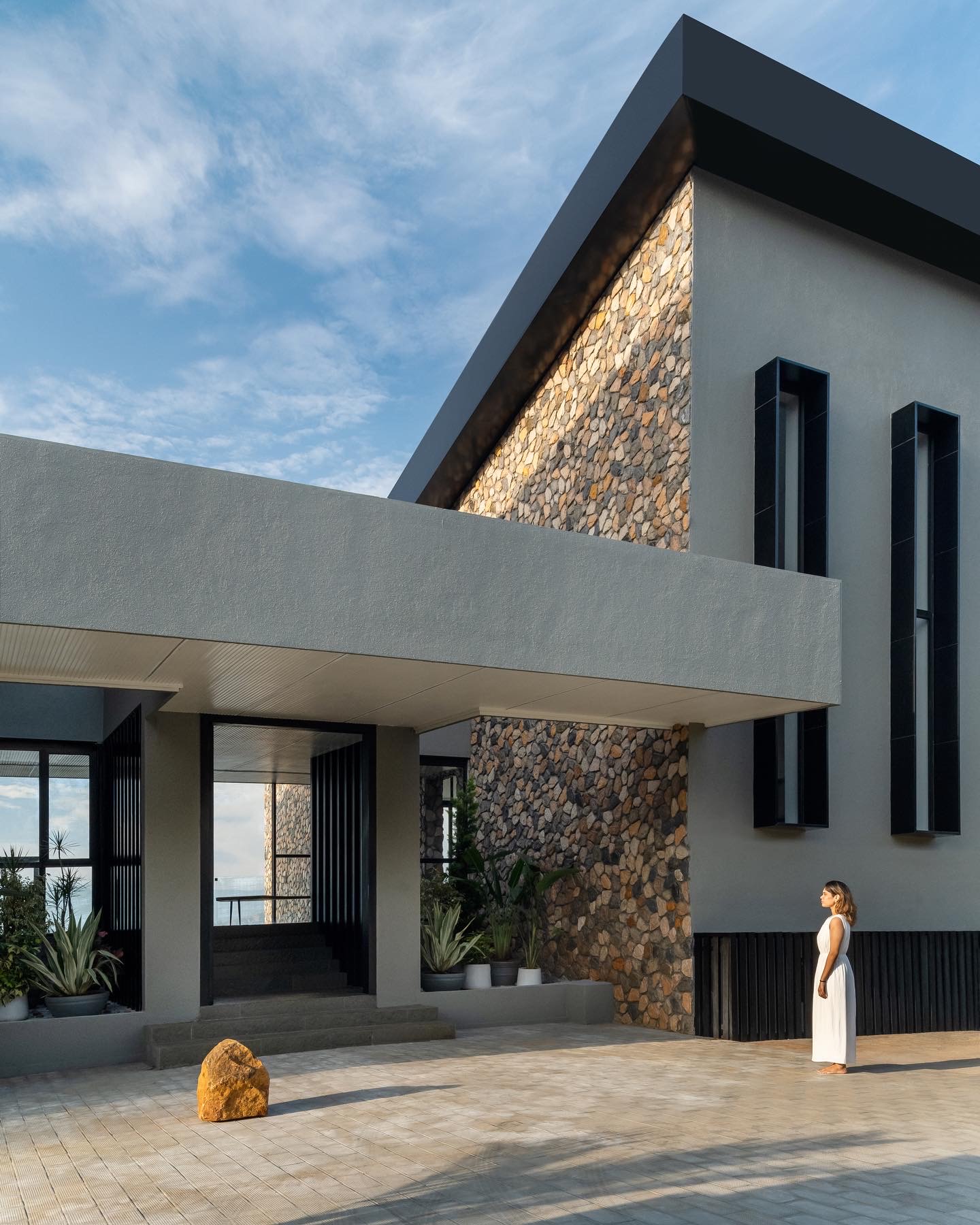
Articlad’s dual-tone and multi-tone options give you more visual depth than standard cladding with a flat, single-shade look. Instead of presenting one uniform face, these surfaces combine two or more related colors. That creates movement across the wall and makes the installation feel closer to natural variation found in natural stone veneer.
This difference matters on bigger surfaces. A standard panel can look repetitive over wide facades, but dual-tone cladding breaks that pattern. It helps each section feel more organic without losing control over the overall palette. You get variation, but still within a planned design language.
For architects and homeowners, that means one product can support several moods. A multi-tone finish may suit an exterior wall, fireplace, or feature area while still tying into the rest of the project. It is a practical visual upgrade.
Rich, Textured Finishes for Diverse Projects
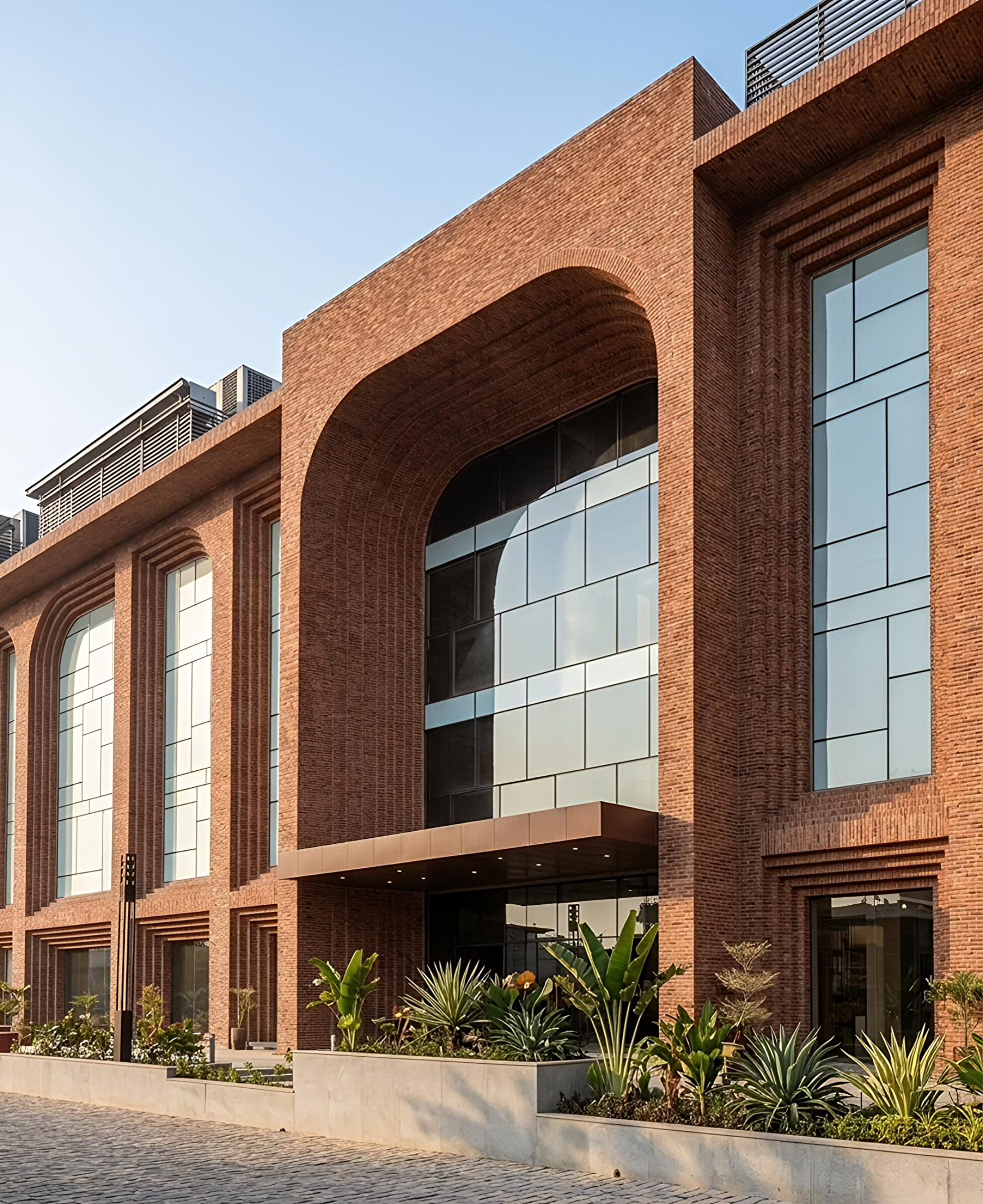
Textured finishes are one reason stone cladding remains relevant across many building types. A richly pigmented surface adds depth that flat materials often miss. In masonry work, texture helps light and shadow play across the face of the wall, which gives the installation more life through the day.
That visual effect supports project diversity. Masons can use textured finishes on facades, fireplaces, retaining walls, and interior features, while still keeping the warmth and irregularity that many clients expect from stone-based materials. Light tones can make those textures easier to see, especially when fine surface changes matter.
- Textured finishes strengthen shadow lines on ashlar and stacked layouts.
- Lighter shades can make smaller spaces feel more open and refined.
- Multi-tone surfaces help masonry look less repetitive over wider width spans.
Natural-Looking Cladding for Authentic Appeal
Many buyers want natural stone cladding because they want authentic appeal, not a surface that feels artificial. That is where natural-looking pigmentation matters. It helps the material resemble real stone variation while keeping the product line visually consistent enough for planned architectural use.
Natural shades should usually be understood as a shade rather than a separate installation system. In design or manufacturing, it refers to a lighter color expression that can be applied across formats. The finish may still be textured, split, honed, or shaped differently depending on the product.
For you, that means natural is not limited to one look. It can support an authentic surface whether the design is formal, rustic, linear, or more traditional. The key is pairing the shade with the right texture and layout.
Innovations in Stone Cladding Manufacturing
Innovation has changed how natural stone is prepared, cut, colored, and installed. Over time, lighter natural formats, better machinery, improved anchoring methods, and advanced surface treatments have made stone cladding more adaptable to modern construction. That includes use surfaces where weight and attachment details matter.
These changes also affect sustainability and quality. Better manufacturing control can improve consistency, reduce waste, and support safer installation practices. The next sections look at pigmentation, quality assurance, and local production trends.
Pigmentation Techniques: Made in India Expertise
Pigmentation techniques are important when manufacturers want stone cladding to show controlled, repeatable color without losing a natural appearance. Through careful color techniques, producers can create light tones, earth shades, and blended finishes that suit different project demands. That gives architects and buyers more choice from one product family.
Made in India expertise is relevant here because India has strong links to stone processing, quarry work, and masonry traditions. In practical terms, that background supports a broad understanding of color handling, finishing, and veneer preparation across many styles.
Quality Assurance in Stone Cladding Products
Quality assurance in stone cladding covers more than color accuracy. It also involves the consistency of thickness, secure attachment methods, durable backing materials, and suitability for the intended substrate. These checks matter because cladding is not load bearing, so installation quality plays a major role in long-term performance.
Safety standards and best practices are especially important on exterior facades. Fire safety, expansion, and secure support all need attention during planning and installation.
Sustainability and Local Manufacturing Trends
Sustainability in stone cladding often starts with smarter production and better installation methods. Lighter cladding reduces weight compared with full stone construction, which can improve handling and broaden application options. Over time, technology has also helped standardize cuts and reduce some material inefficiencies in the construction process.
Local trends across globe show continued interest in wall systems that combine natural stone character with manageable installation formats. Designers want surfaces that feel authentic but still suit current expectations around efficiency, maintenance, and performance.
Within that shift, lighter shades has a clear role. It supports the appeal of contemporary architecture by giving cladding a clean and balanced face. While color does not change structural function, it can strongly influence perceived quality, spatial brightness, and the final impression of the project.
Conclusion
In conclusion, the vibrant color options offered by Articlad Stone Cladding not only enhance the aesthetic appeal of any project but also provide architects and designers with the flexibility they need to bring their visions to life. With dual-tone and multi-tone shades, as well as rich, textured finishes, these stone cladding solutions can elevate the overall design and atmosphere of both modern and traditional architecture. By choosing the right colors and understanding their impact, you can create spaces that resonate with authenticity and style. If you’re interested in transforming your project with stunning stone cladding colors, get a free consultation with our experts today!
Frequently Asked Questions
What distinguishes Articlad’s dual-tone products from standard cladding?
Articlad dual-tone stone cladding stands out because it blends two related colors instead of showing one flat shade. That gives the surface more texture in visual terms and a more natural appearance across the wall. Standard cladding can look more uniform and repetitive on larger installations.
Are there any drawbacks to choosing lighter stone cladding over darker shades?
Choosing lighter stone cladding can present drawbacks, such as showing dirt and stains more readily, resulting in higher maintenance. Additionally, lighter colors might reflect too much sunlight, potentially increasing heat absorption in warmer climates compared to darker shades that offer a cooling effect.